

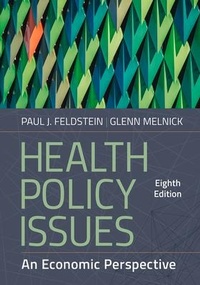
Health Policy Issues
An Economic Perspective
8th Edition
Published on 4. February 2023
Book
Hardback
769 pages
978-1-64055-342-2 (ISBN)
Description
Health Policy Issues: An Economic Perspective uses concise, topical chapters to provide a comprehensive overview of the forces influencing healthcare financing and delivery. Concerns over health equity and the rise in healthcare costs are just a few of the timely and vital issues that are discussed through the lens of economics. Each chapter includes a clear explanation of the topic, diagrams and charts to aid comprehension, and a summary and discussion questions at the end.
This eighth edition has been revised to reflect the most recent research and data, as well as changes in laws and government policies. A new chapter compares the US health system to those of five European countries. New and updated content includes coverage of: Current Medicare proposals; COVID's effect on medical services delivery; Medicaid effectiveness; Strategies for addressing the physician shortage; Affordable Care Act updates.
Health Policy Issues shows how the economic approach to healthcare policy is important not only for understanding the structural and dynamic forces pressing for change in healthcare but also for explaining why the health system has evolved to its current state.
This eighth edition has been revised to reflect the most recent research and data, as well as changes in laws and government policies. A new chapter compares the US health system to those of five European countries. New and updated content includes coverage of: Current Medicare proposals; COVID's effect on medical services delivery; Medicaid effectiveness; Strategies for addressing the physician shortage; Affordable Care Act updates.
Health Policy Issues shows how the economic approach to healthcare policy is important not only for understanding the structural and dynamic forces pressing for change in healthcare but also for explaining why the health system has evolved to its current state.
More details
Edition
8th Revised edition
Language
English
Place of publication
Chicago
United States
Target group
Professional and scholarly
Edition type
Revised edition
Dimensions
Height: 230 mm
Width: 147 mm
Thickness: 25 mm
Weight
1542 gr
ISBN-13
978-1-64055-342-2 (9781640553422)
Copyright in bibliographic data and cover images is held by Nielsen Book Services Limited or by the publishers or by their respective licensors: all rights reserved.
Schweitzer Classification
Other editions
Additional editions
Paul J. Feldstein | Glenn Melnick
Health Policy Issues: An Economic Perspective, Eighth Edition
E-Book
01/2023
ACHE Learn
€102.99
Available for download
Content
- Chapter 1 - The Rise of Medical Expenditures
- Chapter 2 - How Much Should We Spend on Medical Care?
- Chapter 3 - Do More Medical Expenditures Produce Better Health?
- Chapter 4 - In Whose Interest Does the Physician Act?
- Chapter 5 - Rationing Medical Services
- Chapter 6 - How Much Health Insurance Should Everyone Have?
- Chapter 7 - Why Are Those Who Most Need Health Insurance Least Able to Buy It?
- Chapter 8 - Medicare
- Chapter 9 - Medicaid
- Chapter 10 - How Does Medicare Pay Physicians?
- Chapter 11 - The Shortage of Physicians and Emerging Solutions
- Chapter 12 - Why Is Getting into Medical School So Difficult?
- Chapter 13 - The Changing Practice of Medicine
- Chapter 14 - The Economic Outlook for Registered Nurses
- Chapter 15 - Do Nonprofit Hospitals Behave Differently from For-Profit Hospitals?
- Chapter 16 - Competition Among Hospitals: Does It Raise or Lower Costs?
- Chapter 17 - The Future Role of Hospitals
- Chapter 18 - Cost Shifting
- Chapter 19 - Can Price Controls Limit Medical Expenditure Increases?
- Chapter 20 - The Evolution of Managed Care
- Chapter 21 - Has Competition Been Tried-and Has It Failed-to Improve the US Healthcare System?
- Chapter 22 - Comparative Effectiveness Research
- Chapter 23 - Who Bears the Cost of Employee Health Benefits?
- Chapter 24 - The High Price of Prescription Drugs
- Chapter 25 - Ensuring Safety and Efficacy of New Drugs: Too Much of a Good Thing?
- Chapter 26 - Why Are Prescription Drugs Less Expensive Overseas?
- Chapter 27 - The Pharmaceutical Industry: A Public Policy Dilemma
- Chapter 28 - Should Kidneys and Other Organs Be Bought and Sold?
- Chapter 29 - Should Profits in Healthcare Be Prohibited?
- Chapter 30 - The Role of Government in Medical Care
- Chapter 31 - Health Associations and the Political Marketplace
- Chapter 32 - Medical Research, Medical Education, Alcohol Consumption, and Pollution: Who Should Pay?
- Chapter 33 - The Canadian Healthcare System
- Chapter 34 - Employer-Mandated National Health Insurance
- Chapter 35 - National Health Insurance: Which Approach and Why?
- Chapter 36 - Financing Long-Term Care
- Chapter 37 - The Affordable Care Act: Did It Achieve Its Goals?
- Chapter 38 - Comparative Health Systems
- Chapter 2 - How Much Should We Spend on Medical Care?
- Chapter 3 - Do More Medical Expenditures Produce Better Health?
- Chapter 4 - In Whose Interest Does the Physician Act?
- Chapter 5 - Rationing Medical Services
- Chapter 6 - How Much Health Insurance Should Everyone Have?
- Chapter 7 - Why Are Those Who Most Need Health Insurance Least Able to Buy It?
- Chapter 8 - Medicare
- Chapter 9 - Medicaid
- Chapter 10 - How Does Medicare Pay Physicians?
- Chapter 11 - The Shortage of Physicians and Emerging Solutions
- Chapter 12 - Why Is Getting into Medical School So Difficult?
- Chapter 13 - The Changing Practice of Medicine
- Chapter 14 - The Economic Outlook for Registered Nurses
- Chapter 15 - Do Nonprofit Hospitals Behave Differently from For-Profit Hospitals?
- Chapter 16 - Competition Among Hospitals: Does It Raise or Lower Costs?
- Chapter 17 - The Future Role of Hospitals
- Chapter 18 - Cost Shifting
- Chapter 19 - Can Price Controls Limit Medical Expenditure Increases?
- Chapter 20 - The Evolution of Managed Care
- Chapter 21 - Has Competition Been Tried-and Has It Failed-to Improve the US Healthcare System?
- Chapter 22 - Comparative Effectiveness Research
- Chapter 23 - Who Bears the Cost of Employee Health Benefits?
- Chapter 24 - The High Price of Prescription Drugs
- Chapter 25 - Ensuring Safety and Efficacy of New Drugs: Too Much of a Good Thing?
- Chapter 26 - Why Are Prescription Drugs Less Expensive Overseas?
- Chapter 27 - The Pharmaceutical Industry: A Public Policy Dilemma
- Chapter 28 - Should Kidneys and Other Organs Be Bought and Sold?
- Chapter 29 - Should Profits in Healthcare Be Prohibited?
- Chapter 30 - The Role of Government in Medical Care
- Chapter 31 - Health Associations and the Political Marketplace
- Chapter 32 - Medical Research, Medical Education, Alcohol Consumption, and Pollution: Who Should Pay?
- Chapter 33 - The Canadian Healthcare System
- Chapter 34 - Employer-Mandated National Health Insurance
- Chapter 35 - National Health Insurance: Which Approach and Why?
- Chapter 36 - Financing Long-Term Care
- Chapter 37 - The Affordable Care Act: Did It Achieve Its Goals?
- Chapter 38 - Comparative Health Systems