

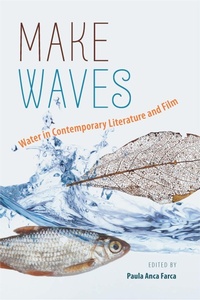
Make Waves
Water in Contemporary Literature and Film
Published on 30. October 2019
Book
Paperback/Softback
304 pages
978-1-948908-42-9 (ISBN)
Description
From ancient Greek and Egyptian mythology to modern times, water has symbolized life, wisdom, fertility, purity, and death. Water also sustains and nourishes, irrigates our crops, keeps us clean and healthy, and contributes to our energy needs. Increased energy demands, coupled with the effects of climate change, have put a strain on our fresh water supply and water resources. Individuals and communities around the globe increasingly face droughts, floods, water pollution, water scarcity, and even water wars. We tend to address and solve these concerns through scientific and technological innovations, but social and cultural analyses and solutions are needed as well.
In this edited collection, contributors tackle current water issues in the era of climate change using a wide variety of recent literature and film. At its core, this collection demonstrates that water is an immense reservoir of artistic potential and an agent of historical and cultural exchange. Creating familiar and relatable contexts for their water dilemmas, authors and directors of contemporary literary texts and films present compelling stories of our relationships to water, water health, ecosystems, and conservation. They also explore how global water problems affect local communities around the world and intersect with social and cultural aspects such as health, citizenship, class, gender, race, and ethnicity.
This transformative work highlights the cultural significance of water-the source of life and a powerful symbol in numerous cultures. It also raises awareness about global water debates and crises.
In this edited collection, contributors tackle current water issues in the era of climate change using a wide variety of recent literature and film. At its core, this collection demonstrates that water is an immense reservoir of artistic potential and an agent of historical and cultural exchange. Creating familiar and relatable contexts for their water dilemmas, authors and directors of contemporary literary texts and films present compelling stories of our relationships to water, water health, ecosystems, and conservation. They also explore how global water problems affect local communities around the world and intersect with social and cultural aspects such as health, citizenship, class, gender, race, and ethnicity.
This transformative work highlights the cultural significance of water-the source of life and a powerful symbol in numerous cultures. It also raises awareness about global water debates and crises.
Reviews / Votes
This edited book underscores how water is a creatively transformative symbol through which we synthesize environmental concerns and a source of cultural and political tensions exacerbated by climate change." - Chris Travis, Professor of Spanish and Latin American Literature, Elmhurst College"The collection is highly accessible. It gives a view of the representation of water from a variety of perspectives and introduces readers to likely unfamiliar texts-the Stanza Stones art/poetry installation or the Niger Delta poets-while providing unique new interpretations and/or insight into more familiar texts such as Chinatown or The Milagro Beanfield War." - Scott DeVries, author of Creature Discomfort
More details
Language
English
Place of publication
Reno
United States
Target group
Professional and scholarly
Product notice
Paperback (trade)
Unsewn / adhesive bound
Dimensions
Height: 229 mm
Width: 156 mm
Thickness: 20 mm
Weight
418 gr
ISBN-13
978-1-948908-42-9 (9781948908429)
Copyright in bibliographic data and cover images is held by Nielsen Book Services Limited or by the publishers or by their respective licensors: all rights reserved.
Schweitzer Classification
Person
Paula Anca Farca is an author, editor, and associate professor at Colorado School of Mines where she teaches literature and environmental humanities courses.
Content
Introduction
Part 1: Water Natures: Culture, Identity, and Creativity
Chapter 1. Liquidity Incorporated: Economic Tides and Fluid Data in Hito Steyerl's Liquidity, Inc. Christina Gerhardt and Jaimey Hamilton Faris
Chapter 2. Material States of Poetry: The Stanza Stones Emma Trott
Chapter 3. Preying on Water: Hunting Spiritual and Environmental Rebirth on the Kentucky River in Selected Essays from Wendell Berry's The Long-Legged House Andrew S. Andermatt
Chapter 4. "Let everything that binds fall": The Significance of Water in David Vann's Fiction Sofia Ahlberg
Chapter 5. Water-blind: Erosion and (Re)Generation in Colm Toibin's The Heather Blazing Julienne H. Empric
Part 2: Water Cultures: Nations, Borders, and Water Wars
Chapter 6. A Clash of Water Cultures in John Nichols' The Milagro Beanfield War Susan J. Tyburski
Chapter 7. Watershed Ethics and Dam Politics: Mapping Biopolitics, Race, and Resistance in Sleep Dealer and Watershed Tracey Daniels-Lerberg
Chapter 8. Thomas King Tells a Different Story: Dams, Rivers, and Indigenous Literary Hydromythology Rebecca Lynne Fullan
Chapter 9. Shifting Tides: A Literary Exploration of the Colorado River Delta Paul Formisano
Chapter 10. Poetry and Revolution on the Brink of Ecological Disaster: Ernesto Cardenal and the Interoceanic Canal in Nicaragua Jeremy G. Larochelle
Chapter 11. "Bad for the glass": Chinatown's Skewed Rendition of the California Water Wars Robert Niemi
Chapter 12. The Cinematic Portrayal of Water Wars in Bolivia and Ecuador Laura Hatry
Part 3: Arid and Awash: High Pollution, High Energy Demands, and High Waters
Chapter 13. Troubled Waters: Unveiling Industrial Negligence in Three Deepwater Horizon Films Ila Tyagi
Chapter 14. The River as Character in Niger Delta Poetry Idom T. Inyabri
Chapter 15. Water and Mental Health in Three British Climate Fiction Novels Giulia Miller
Chapter 16. There Will Be Blood: Water Futures in Paolo Bacigalupi's The Water Knife and Claire Vaye Watkins' Gold Fame Citrus Paula Anca Farca
Concluding Remarks
About the Contributors
Part 1: Water Natures: Culture, Identity, and Creativity
Chapter 1. Liquidity Incorporated: Economic Tides and Fluid Data in Hito Steyerl's Liquidity, Inc. Christina Gerhardt and Jaimey Hamilton Faris
Chapter 2. Material States of Poetry: The Stanza Stones Emma Trott
Chapter 3. Preying on Water: Hunting Spiritual and Environmental Rebirth on the Kentucky River in Selected Essays from Wendell Berry's The Long-Legged House Andrew S. Andermatt
Chapter 4. "Let everything that binds fall": The Significance of Water in David Vann's Fiction Sofia Ahlberg
Chapter 5. Water-blind: Erosion and (Re)Generation in Colm Toibin's The Heather Blazing Julienne H. Empric
Part 2: Water Cultures: Nations, Borders, and Water Wars
Chapter 6. A Clash of Water Cultures in John Nichols' The Milagro Beanfield War Susan J. Tyburski
Chapter 7. Watershed Ethics and Dam Politics: Mapping Biopolitics, Race, and Resistance in Sleep Dealer and Watershed Tracey Daniels-Lerberg
Chapter 8. Thomas King Tells a Different Story: Dams, Rivers, and Indigenous Literary Hydromythology Rebecca Lynne Fullan
Chapter 9. Shifting Tides: A Literary Exploration of the Colorado River Delta Paul Formisano
Chapter 10. Poetry and Revolution on the Brink of Ecological Disaster: Ernesto Cardenal and the Interoceanic Canal in Nicaragua Jeremy G. Larochelle
Chapter 11. "Bad for the glass": Chinatown's Skewed Rendition of the California Water Wars Robert Niemi
Chapter 12. The Cinematic Portrayal of Water Wars in Bolivia and Ecuador Laura Hatry
Part 3: Arid and Awash: High Pollution, High Energy Demands, and High Waters
Chapter 13. Troubled Waters: Unveiling Industrial Negligence in Three Deepwater Horizon Films Ila Tyagi
Chapter 14. The River as Character in Niger Delta Poetry Idom T. Inyabri
Chapter 15. Water and Mental Health in Three British Climate Fiction Novels Giulia Miller
Chapter 16. There Will Be Blood: Water Futures in Paolo Bacigalupi's The Water Knife and Claire Vaye Watkins' Gold Fame Citrus Paula Anca Farca
Concluding Remarks
About the Contributors