

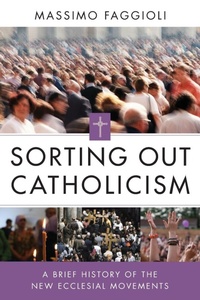
Sorting Out Catholicism
A Brief History of the New Ecclesial Movements
Published on 7. November 2014
Book
Paperback/Softback
248 pages
978-0-8146-8305-7 (ISBN)
Description
Focolare, Community of Sant'Egidio, Neocatechumenal Way, Legionaries of Christ, Communion and Liberation, Opus Dei. These are but a few of the most recognizable names in the broader context of the so-called ecclesial movements. Their history goes back to the period following the First Vatican Council, crosses Vatican II, and develops throughout the twentieth century. It is a history that prepares the movements' rise in the last three decades, from John Paul II to Francis. These movements are a complex phenomenon that shapes the Church now more than before, and they play a key role for the future of Catholicism as a global community, in transition from a Europe-centered tradition to a world Church.
Reviews / Votes
Massimo Faggioli has become one of the most respected theological interpreters of Vatican II and the battle over its meaning. This new book explores a wider set of issues with a related agenda. How are we to assess the variety of new Catholic movements and their relationship to the legacy of Vatican II? His analysis and findings will undoubtedly shape the future debate.Bradford Hinze, Fordham University Massimo Faggioli brings his fresh, creative voice to the much neglected subject of "new ecclesial movements." "Sorting out" movements "intimately intertwined" with "the modern papacy and the contemporary church" requires skills as a theologian and historian, which Faggioli has in abundance. Movements have already transformed Catholicism in Europe and Latin America, and in the future they will either complement or substitute traditional parishes, support or undermine Catholic institutions. Those who wish to understand and share responsibility for the future of Catholicism, in the United States and elsewhere, would do well to consider Faggioli's nuanced assessment of these mostly Euro-centered movements.
David J. O'Brien, College of the Holy Cross (Emeritus) Faggioli offers a highly sophisticated analysis of the new ecclesial movements while telling the story of the Catholic Church over the past one and a half centuries. His international perspective informs his use of methods that are historical, sociological, and theological. This book stands in a category of its own among works on this subject.
Dennis M. Doyle, Professor of Religious Studies, University of Dayton "Faggioli's book is tremendously helpful, offering not only a guide to the various movements-many of which are relatively unknown beyond European Catholic communities-but also a map of the ways in which various popes have engaged with these communities. An indispensable starting point to understanding the various lay movements within Catholicism, both as they relate to one another and as they relate to the Catholic hierarchy."Reading Religion
More details
Language
English
Place of publication
Collegeville, MN
United States
Product notice
Paperback (trade)
Dimensions
Height: 229 mm
Width: 152 mm
Thickness: 14 mm
Weight
365 gr
ISBN-13
978-0-8146-8305-7 (9780814683057)
Copyright in bibliographic data and cover images is held by Nielsen Book Services Limited or by the publishers or by their respective licensors: all rights reserved.
Schweitzer Classification
Other editions
Additional editions
E-Book
11/2014
1st Edition
Liturgical Press
from
€40.99
Available for download
Persons
Massimo Faggioli is professor in the department of theology and religious studies at Villanova University. He is an internationally established scholar in the area of Vatican II and the papacy especially, and a renowned public commentator on church affairs. He is co-editor of The Oxford Handbook of Vatican II (edited with Catherine Clifford, 2023). Among his books with Liturgical Press are The Legacy and Limits of Vatican II in an Age of Crisis (2025); Catholicism and Citizenship: Political Cultures of the Church in the Twenty-First Century (2017); Sorting Out Catholicism: A Brief History of the New Ecclesial Movements (2014); Pope John XXIII: The Medicine of Mercy (2014); and True Reform: Liturgy and Ecclesiology in Sacrosanctum Concilium (2012).
Content
Contents
Prologue to the New English Edition ix
Part 1: The History of the Movements
1. Reasons for a Historical Survey of the Movements 3
1. Christianity's Return to Being a "Movement" 8
2. Framing the Movement 10
3. Chronology and Historical Framing of the Phenomenon 11
4. A History beyond the Foundational Myths 12
5. Movements beyond Lobbies 13
6. The "Spring of the Movements" and the Second Vatican Council 14
7. Ecclesial Movements within the Twentieth-Century Movement Culture 15
8. Retreat? Or New Birth? 16
2. Religious Movements and Catholic Movements in the History of Scholarly Literature 17
1. "Religious Cults," "New Religious Movements," and "Ecclesial Movements" 17
2. Juridical Ecclesiology and Movements as "Sects" 18
3. "Theology of the Laity" and Social Origins of Religious Groups 21
4. The Turning Point of the 1960s and 1970s 22
5. Religious Movements, Fundamentalism, and Revanche de Dieu 24
6. Movements in the Catholic Church 26
3. "Catholic Movement," "Catholic Action," and the Reform Movements of the Late Nineteenth and Early Twentieth Centuries 30
1. Emergence of Catholic Movements 30
2. The "Catholic Movement" of Leo XIII and Pius X 32
3. From Pius IX to Pius X: The Catholic Movement from the Counter-Revolution to the "Social Question" 35
4. Origins of the Organized Catholic Laity 37
5. Origin and Crisis of the "Reform Movements" 42
4. Catholic Movement and Political Ideologies of the Twentieth Century 45
1. Movement and Society during Pius XI's Pontificate 46
2. Pius XI's Catholic Action 48
3. Between Catholic Action and the Reconquista: Opus Dei, the Legionaries of Christ, and the Cursillos de Cristianidad 52
4. Catholic Movements between War and Reconstruction: Focolare and Gioventu Studentesca 56
5. Beyond Catholic Action: The Second Vatican Council and the Birth of the Movements 61
1. Pius XII's Militant Church 61
2. The Event of Vatican II and Ecclesial Movements 64
3. From the Council to the Postconciliar Period: The "Rise of the Movements" 71
6. Ecclesial Movements and the Postconciliar Period: "Culture of Presence," Catholic Dissent, and Monastic Communities 82
1. The Movements and Paul VI: Between the Council and the Postconciliar Period 82
2. High Fidelity: From Catholic Action to Communion and Liberation 91
3. Catholic Dissent 98
4. Neo-Monastic Communities: Taize and Bose 99
5. The Last "Pope of Catholic Action": Paul VI 102
7. John Paul II and the Global Pontificate as Movement 104
1. The Pope of the Movements 104
2. John Paul II's and Other Views of the Ecclesial Movements 114
3. A Pontificate of Movement Predilection 117
4. The Rise and Reality of a Phenomenon 120
5. Lay Identities and Clerical Tendencies 125
8. The Ecclesial Movements from Benedict XVI to Francis 127
1. Pope Benedict XVI and John Paul II's Legacy for the Movements 127
2. The Ecclesiologies of Benedict XVI and the Movements 129
3. A Step Backward? 132
4. The Two Approaches 137
5. Between Pope Benedict XVI's Orthodoxy and "Custom-Made" Faith 140
6. Pope Francis's "Theology of the People" and the Movements 142
Part 2: The New Issues
9. New Catholic Movements and Priestly Formation in the Seminaries 147
1. The New Catholic Movements: From Lay Groups to "Multi-Vocational Groups" 147
2. Movements and Seminaries: The Case of the Neocatechumenal Way 151
3. Canonical and Theological Issues 155
10. Catholic Movements and the "Apologetics of Enmity" in the Postconciliar Church 158
1. Ecclesiology of the Tridentine Period, of Vatican II, and of the Reconquista 158
2. The First Three Stages of the Contemporary Catholic Movements (1870-1970) 161
3. The Fourth Stage of Catholic Movements (1980-) 166
4. Weltanschauung and the Ecclesiology of the Reconquista 169
5. Winners and Losers of the Apologetics of Enmity: The Bishops 172
6. Winners and Losers of the Apologetics of Enmity: The Clergy 174
7. Winners and Losers of the Apologetics of Enmity: The "Lay Laity" 175
8. The Movements of the Reconquista and Current Loci Theologici 177
11. Inclusion and Exclusion in the Ecclesiology of the New Catholic Movements 180
1. The New Catholic Movements' Ecclesiology 180
2. Antimodern Weltanschauung and Catholic Weltanschauung 183
3. Membership and Relationship with the Ecclesiastical Institution 185
4. The Impact of the Movements on the Issue of Inclusion and Exclusion 186
5. A Setback for Inclusiveness in the Church? 192
12. The Ecclesial Movements and Post-Vatican II Catholicism: An Assessment 196
1. Beyond the Apologetics on the New Catholic Movements 196
2. Continuity and Ruptures between Movement and Movements 198
3. Catholic Movements and the European Political Arena 200
4. Between Secularization and the End of Confessionalization 202
5. Conciliar and Anticonciliar Legacies 205
6. Between Revanchism in the World and Redemption in the Church 209
7. A Difficult Symbiosis 211
Bibliography 215
Index of Names 224
Index of Subjects 227
Prologue to the New English Edition ix
Part 1: The History of the Movements
1. Reasons for a Historical Survey of the Movements 3
1. Christianity's Return to Being a "Movement" 8
2. Framing the Movement 10
3. Chronology and Historical Framing of the Phenomenon 11
4. A History beyond the Foundational Myths 12
5. Movements beyond Lobbies 13
6. The "Spring of the Movements" and the Second Vatican Council 14
7. Ecclesial Movements within the Twentieth-Century Movement Culture 15
8. Retreat? Or New Birth? 16
2. Religious Movements and Catholic Movements in the History of Scholarly Literature 17
1. "Religious Cults," "New Religious Movements," and "Ecclesial Movements" 17
2. Juridical Ecclesiology and Movements as "Sects" 18
3. "Theology of the Laity" and Social Origins of Religious Groups 21
4. The Turning Point of the 1960s and 1970s 22
5. Religious Movements, Fundamentalism, and Revanche de Dieu 24
6. Movements in the Catholic Church 26
3. "Catholic Movement," "Catholic Action," and the Reform Movements of the Late Nineteenth and Early Twentieth Centuries 30
1. Emergence of Catholic Movements 30
2. The "Catholic Movement" of Leo XIII and Pius X 32
3. From Pius IX to Pius X: The Catholic Movement from the Counter-Revolution to the "Social Question" 35
4. Origins of the Organized Catholic Laity 37
5. Origin and Crisis of the "Reform Movements" 42
4. Catholic Movement and Political Ideologies of the Twentieth Century 45
1. Movement and Society during Pius XI's Pontificate 46
2. Pius XI's Catholic Action 48
3. Between Catholic Action and the Reconquista: Opus Dei, the Legionaries of Christ, and the Cursillos de Cristianidad 52
4. Catholic Movements between War and Reconstruction: Focolare and Gioventu Studentesca 56
5. Beyond Catholic Action: The Second Vatican Council and the Birth of the Movements 61
1. Pius XII's Militant Church 61
2. The Event of Vatican II and Ecclesial Movements 64
3. From the Council to the Postconciliar Period: The "Rise of the Movements" 71
6. Ecclesial Movements and the Postconciliar Period: "Culture of Presence," Catholic Dissent, and Monastic Communities 82
1. The Movements and Paul VI: Between the Council and the Postconciliar Period 82
2. High Fidelity: From Catholic Action to Communion and Liberation 91
3. Catholic Dissent 98
4. Neo-Monastic Communities: Taize and Bose 99
5. The Last "Pope of Catholic Action": Paul VI 102
7. John Paul II and the Global Pontificate as Movement 104
1. The Pope of the Movements 104
2. John Paul II's and Other Views of the Ecclesial Movements 114
3. A Pontificate of Movement Predilection 117
4. The Rise and Reality of a Phenomenon 120
5. Lay Identities and Clerical Tendencies 125
8. The Ecclesial Movements from Benedict XVI to Francis 127
1. Pope Benedict XVI and John Paul II's Legacy for the Movements 127
2. The Ecclesiologies of Benedict XVI and the Movements 129
3. A Step Backward? 132
4. The Two Approaches 137
5. Between Pope Benedict XVI's Orthodoxy and "Custom-Made" Faith 140
6. Pope Francis's "Theology of the People" and the Movements 142
Part 2: The New Issues
9. New Catholic Movements and Priestly Formation in the Seminaries 147
1. The New Catholic Movements: From Lay Groups to "Multi-Vocational Groups" 147
2. Movements and Seminaries: The Case of the Neocatechumenal Way 151
3. Canonical and Theological Issues 155
10. Catholic Movements and the "Apologetics of Enmity" in the Postconciliar Church 158
1. Ecclesiology of the Tridentine Period, of Vatican II, and of the Reconquista 158
2. The First Three Stages of the Contemporary Catholic Movements (1870-1970) 161
3. The Fourth Stage of Catholic Movements (1980-) 166
4. Weltanschauung and the Ecclesiology of the Reconquista 169
5. Winners and Losers of the Apologetics of Enmity: The Bishops 172
6. Winners and Losers of the Apologetics of Enmity: The Clergy 174
7. Winners and Losers of the Apologetics of Enmity: The "Lay Laity" 175
8. The Movements of the Reconquista and Current Loci Theologici 177
11. Inclusion and Exclusion in the Ecclesiology of the New Catholic Movements 180
1. The New Catholic Movements' Ecclesiology 180
2. Antimodern Weltanschauung and Catholic Weltanschauung 183
3. Membership and Relationship with the Ecclesiastical Institution 185
4. The Impact of the Movements on the Issue of Inclusion and Exclusion 186
5. A Setback for Inclusiveness in the Church? 192
12. The Ecclesial Movements and Post-Vatican II Catholicism: An Assessment 196
1. Beyond the Apologetics on the New Catholic Movements 196
2. Continuity and Ruptures between Movement and Movements 198
3. Catholic Movements and the European Political Arena 200
4. Between Secularization and the End of Confessionalization 202
5. Conciliar and Anticonciliar Legacies 205
6. Between Revanchism in the World and Redemption in the Church 209
7. A Difficult Symbiosis 211
Bibliography 215
Index of Names 224
Index of Subjects 227