

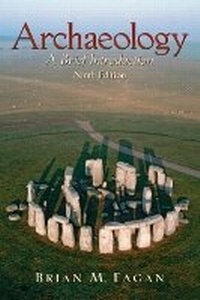
Archaeology
A Brief Introduction
9th Edition
Published on 3. March 2005
Book
Paperback/Softback
400 pages
978-0-13-192811-4 (ISBN)
Description
For introductory level courses in Archaeology and as a supplement for courses in Physical Anthropology where the instructor would like to integrate Archaeology.
Message: This introduction to the fundamental principles of method and theory in archaeology is the only book that also exposes students to archaeology as a career.
Story:
The book begins with archaeology's goals. It then examines the basic concepts of culture, time, space, and the finding and excavation of archaeological sites.
Message: This introduction to the fundamental principles of method and theory in archaeology is the only book that also exposes students to archaeology as a career.
Story:
The book begins with archaeology's goals. It then examines the basic concepts of culture, time, space, and the finding and excavation of archaeological sites.
More details
Edition
9th edition
Language
English
Place of publication
New York
United States
Publishing group
Taylor & Francis Inc
Target group
Professional and scholarly
Dimensions
Height: 229 mm
Width: 152 mm
Weight
454 gr
ISBN-13
978-0-13-192811-4 (9780131928114)
Copyright in bibliographic data and cover images is held by Nielsen Book Services Limited or by the publishers or by their respective licensors: all rights reserved.
Schweitzer Classification
Other editions
New editions

Book
02/2009
10th Edition
Routledge
Unfortunately, price unknown
No shipping information available
Previous edition
Book
06/2002
8th Edition
Routledge
Unfortunately, price unknown
No shipping information available
Content
(NOTE: Each chapter concludes with a Summary)
1. Fossils, Cities, and Civilizations: The Birth of a Science.
What Is Archaeology?
The Beginnings of Archaeology.
The Discovery of the Ancient Civilizations.
Early American Archaeology.
Diversity, Diffusion, and Human Progress.
The Development of Modern Scientific Archaeology.
"From Them to Us": Contemporary Archaeological Theory
2. Introducing Archaeology and Prehistory.
The Tourist, the Collector, and the Archaeologist.
Who Needs and Owns the Past?
What Do Archaeologists Do?
Many Sites, Many Archaeologists.
Why Is Archaeology Important?
The Prehistory of Humankind According to Archaeologists.
3. Culture and Context.
Human Culture.
Cultural Systems.
Culture Change.
The Goals of Archaeology.
The Archaeological Record.
Context.
4. Explaining the Past.
Interpretation of Culture History.
Ecological/Environmental (Processual) Archaeology.
Historical Materialist Approaches.
Cognitive-Processual Archaeology.
Archaeological Theory Today and Tomorrow: "Processual Plus."
5. Space and Time.
Space.
Time.
Relative Chronology.
Absolute Chronology.
Chronometric Chronology.
6. Finding Archaeological Sites.
The Process of Archaeological Research.
Stages of Archaeological Fieldwork.
Accidental Discovery.
Archaeological Survey.
Sampling and Archaeological Survey.
Remote Sensing.
Assessing Archaeological Sites.
Subsurface Detection Systems.
7. Excavation.
Planned Excavation: Research Design.
Types of Excavation.
Digging, Tools, People.
Recording.
Stratigraphic Observation.
Excavation Problems.
Reburial and Repatriation.
8. Classification and Technology.
Back from the Field.
Classification and Taxonomy.
Typology.
Archaeological Types.
What Do Assemblages and Artifact Patternings Mean?
Units of Ordering.
Ancient Technologies.
9. The Present and the Past.
The Archaeological Record Again.
Site-Formation Processes.
Preservation.
Middle-Range Theory and the Archaeological Record.
The Living Past.
Ethnographic Analogy.
Living Archaeology (Ethnoarchaeology).
Experimental Archaeology.
10. Ancient Climate and Environment.
Short- and Long-Term Climatic Change.
Long-Term Climate Change: The Great Ice Age.
Pollen Analysis.
Short-Term Climatic Change: The Holocene.
Short-Term Climatic Change: El Nino.
Geoarchaeology.
11. Come Tell Me How You Lived.
Evidence for Subsistence.
Ancient Diet.
Animal Bones.
Plant Remains.
Birds, Fish, and Mollusks.
Rock Art.
12. Settlement, Landscape, and Trade.
Settlement Patterns.
Population.
The Archaeology of Landscapes.
Trade and Exchange.
13. The Archaeology of People.
Individuals.
Groups.
Gender.
Wider Society: Prestate and State Societies.
Religious Beliefs.
14. Archaeology and You.
Archaeology as a Profession.
Academic Qualifications and Graduate School.
Thoughts on Not Becoming a Professional Archaeologist.
Our Responsibilities to the Past.
A Simple Code of Archaeological Ethics for All.
Sites and Cultures Mentioned in the Text.
Glossary of Technical Terms.
Guide to Further Reading.
References.
Illustration Credits.
Index.
1. Fossils, Cities, and Civilizations: The Birth of a Science.
What Is Archaeology?
The Beginnings of Archaeology.
The Discovery of the Ancient Civilizations.
Early American Archaeology.
Diversity, Diffusion, and Human Progress.
The Development of Modern Scientific Archaeology.
"From Them to Us": Contemporary Archaeological Theory
2. Introducing Archaeology and Prehistory.
The Tourist, the Collector, and the Archaeologist.
Who Needs and Owns the Past?
What Do Archaeologists Do?
Many Sites, Many Archaeologists.
Why Is Archaeology Important?
The Prehistory of Humankind According to Archaeologists.
3. Culture and Context.
Human Culture.
Cultural Systems.
Culture Change.
The Goals of Archaeology.
The Archaeological Record.
Context.
4. Explaining the Past.
Interpretation of Culture History.
Ecological/Environmental (Processual) Archaeology.
Historical Materialist Approaches.
Cognitive-Processual Archaeology.
Archaeological Theory Today and Tomorrow: "Processual Plus."
5. Space and Time.
Space.
Time.
Relative Chronology.
Absolute Chronology.
Chronometric Chronology.
6. Finding Archaeological Sites.
The Process of Archaeological Research.
Stages of Archaeological Fieldwork.
Accidental Discovery.
Archaeological Survey.
Sampling and Archaeological Survey.
Remote Sensing.
Assessing Archaeological Sites.
Subsurface Detection Systems.
7. Excavation.
Planned Excavation: Research Design.
Types of Excavation.
Digging, Tools, People.
Recording.
Stratigraphic Observation.
Excavation Problems.
Reburial and Repatriation.
8. Classification and Technology.
Back from the Field.
Classification and Taxonomy.
Typology.
Archaeological Types.
What Do Assemblages and Artifact Patternings Mean?
Units of Ordering.
Ancient Technologies.
9. The Present and the Past.
The Archaeological Record Again.
Site-Formation Processes.
Preservation.
Middle-Range Theory and the Archaeological Record.
The Living Past.
Ethnographic Analogy.
Living Archaeology (Ethnoarchaeology).
Experimental Archaeology.
10. Ancient Climate and Environment.
Short- and Long-Term Climatic Change.
Long-Term Climate Change: The Great Ice Age.
Pollen Analysis.
Short-Term Climatic Change: The Holocene.
Short-Term Climatic Change: El Nino.
Geoarchaeology.
11. Come Tell Me How You Lived.
Evidence for Subsistence.
Ancient Diet.
Animal Bones.
Plant Remains.
Birds, Fish, and Mollusks.
Rock Art.
12. Settlement, Landscape, and Trade.
Settlement Patterns.
Population.
The Archaeology of Landscapes.
Trade and Exchange.
13. The Archaeology of People.
Individuals.
Groups.
Gender.
Wider Society: Prestate and State Societies.
Religious Beliefs.
14. Archaeology and You.
Archaeology as a Profession.
Academic Qualifications and Graduate School.
Thoughts on Not Becoming a Professional Archaeologist.
Our Responsibilities to the Past.
A Simple Code of Archaeological Ethics for All.
Sites and Cultures Mentioned in the Text.
Glossary of Technical Terms.
Guide to Further Reading.
References.
Illustration Credits.
Index.