

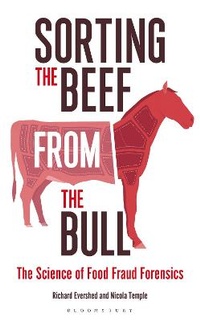
Sorting the Beef from the Bull
The Science of Food Fraud Forensics
Published on 25. February 2016
Book
Hardback
320 pages
978-1-4729-1133-9 (ISBN)
Description
Horsemeat in burgers was hard to swallow, but there are far more sinister culinary crimes afoot...
Chicken eggs that haven't come from chickens, melamine in infant's milk in China, nut shells in spices - these are just some examples of the food fraud that has occurred in recent years. As our urban lifestyle takes us further and further away from our food sources, there are increasing opportunities for dishonesty, duplicity and profit-making short-cuts.
Food adulteration, motivated by money, is an issue that has spanned the globe throughout human history. Whether it's a matter of making a good quality oil stretch a bit further by adding a little extra 'something' or labelling a food falsely to appeal to current consumer trends - it's all food fraud, and it costs the food industry billions of dollars each year. The price to consumers may be even higher, with some paying for these crimes with their health and, in some cases, their lives.
Sorting the Beef from the Bull is a collection of food fraud tales from around the world. It explains the role of science in uncovering some of the century's biggest food scams, and explores the arms race between food forensics and fraudsters as new methods of detection spur more creative and sophisticated means of committing the crimes. This book equips us with the knowledge of what is possible in the world of food fraud and shines a light on the shady areas of our food supply system where these criminals lurk.
Chicken eggs that haven't come from chickens, melamine in infant's milk in China, nut shells in spices - these are just some examples of the food fraud that has occurred in recent years. As our urban lifestyle takes us further and further away from our food sources, there are increasing opportunities for dishonesty, duplicity and profit-making short-cuts.
Food adulteration, motivated by money, is an issue that has spanned the globe throughout human history. Whether it's a matter of making a good quality oil stretch a bit further by adding a little extra 'something' or labelling a food falsely to appeal to current consumer trends - it's all food fraud, and it costs the food industry billions of dollars each year. The price to consumers may be even higher, with some paying for these crimes with their health and, in some cases, their lives.
Sorting the Beef from the Bull is a collection of food fraud tales from around the world. It explains the role of science in uncovering some of the century's biggest food scams, and explores the arms race between food forensics and fraudsters as new methods of detection spur more creative and sophisticated means of committing the crimes. This book equips us with the knowledge of what is possible in the world of food fraud and shines a light on the shady areas of our food supply system where these criminals lurk.
Reviews / Votes
... Sorting the Beef from the Bull should be a must-read ... -- David Firn, Financial Times The truth, as this eye-opening book shows, is that food crime is a global problem. * Daily Mail * This is a thoroughly practical book. It's not all about science and global supply chains, it's also engagingly down to earth. * Country Life * Evershed and Temple's book does more than detail the food industry's lengthy crime sheet. It also explores how the fraud is committed, how it can be overcome and, sadly, how the fraudsters are staying ahead. * Resurgence & Ecologist * Fascinating and eye-opening, Sorting the Beef from the Bull is full of examples of how unsuspecting consumers around the world are being fooled by fraudsters. Everyone who cares about the quality of food should read this informative, enthralling book. -- Guy Crosby, science editor for America's Test Kitchen Nicola and Richard have opened up the complex world of food fraud into a comprehensive and well-researched journey through the food groups, alerting us to the scurrilous scams of pirates and profiteers. The technical complexity in identifying tricks of the trade are tantalisingly described within the context of stories, which bring fascination and relevance to the most ignored and pervasive mysteries of our daily lives. -- Diana Spellman, Managing Director of Partners in PurchasingMore details
Language
English
Place of publication
London
United Kingdom
Publishing group
Bloomsbury Publishing PLC
Illustrations
b/w images throughout
Dimensions
Height: 216 mm
Width: 135 mm
Weight
453 gr
ISBN-13
978-1-4729-1133-9 (9781472911339)
Copyright in bibliographic data and cover images is held by Nielsen Book Services Limited or by the publishers or by their respective licensors: all rights reserved.
Schweitzer Classification
Other editions
Additional editions
E-Book
02/2016
1st Edition
Bloomsbury Sigma
€11.49
Available for download
Persons
Richard Evershed FRS is Professor of Biogeochemistry at the University of Bristol. He researches the diets and agriculture of our ancestors and the environmental impacts of modern farming systems. The analytical chemical methodologies he has pioneered are used widely. In the area of food fraud his team developed a method for detecting the highly lucrative but illegal adulteration of vegetable oil. Richard believes deeply in wholesome food and the responsibility of suppliers to ensure its quality and authenticity, especially given 'we are are what we hope we're eating!'
Nicola Temple is a biologist, conservationist and science writer. Her writing has taken her from the precipices of volcanoes in Ethiopia to the banks of salmon streams in Canada's temperate rainforest. Based in Bristol, Nicola works with universities, research councils and individuals to develop engaging science stories on how research has an impact beyond the closeted world of academia. It was while investigating the impact of Richard's work that Nicola was first introduced to the world of food fraud.
nicolatemple.com / @nicolatemple
Nicola Temple is a biologist, conservationist and science writer. Her writing has taken her from the precipices of volcanoes in Ethiopia to the banks of salmon streams in Canada's temperate rainforest. Based in Bristol, Nicola works with universities, research councils and individuals to develop engaging science stories on how research has an impact beyond the closeted world of academia. It was while investigating the impact of Richard's work that Nicola was first introduced to the world of food fraud.
nicolatemple.com / @nicolatemple
Content
Foreword by Chris Elliot
Introduction: Not Eggsactly What You Thought
1: Food Fraud 101
2: Busting the Food Cheats
3: A Slippery Deal
4: Hake Today, Cod Tomorrow
5: What's Your Beef?
6: Milking It
7: Seasoned Criminals
8: Bogus Beverages
9: White Collard Crimes
10: Thoughts for Digestion
Appendix
Notes
Acknowledgements
Index
Introduction: Not Eggsactly What You Thought
1: Food Fraud 101
2: Busting the Food Cheats
3: A Slippery Deal
4: Hake Today, Cod Tomorrow
5: What's Your Beef?
6: Milking It
7: Seasoned Criminals
8: Bogus Beverages
9: White Collard Crimes
10: Thoughts for Digestion
Appendix
Notes
Acknowledgements
Index