

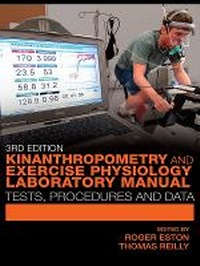
Kinanthropometry Laboratory Manual
Anthropometry and Exercise Physiology
Published on 30. September 2008
Book
Paperback/Softback
978-0-415-46671-4 (ISBN)
Description
Kinanthropometry is the study of human body size, shape and form and how those characteristics relate to human movement and sporting performance. In this fully updated and revised edition of the classic guide to kinathropometric theory and practice, leading international sport and exercise scientists offer a clear and comprehensive introduction to essential principles and techniques.
Each chapter guides the reader through the planning and conduct of practical and laboratory sessions and includes a survey of current theory and contemporary literature relating to that topic. The book is fully illustrated and includes worked examples, exercises, research data, chapter summaries and guides to further reading throughout.
Divided into two volumes, addressing anthropometry and exercise physiology respectively, the Kinathropometry and Exercise Physiology Laboratory Manual is essential reading for all serious students and researchers working in sport and exercise science, kinesiology and human movement.
Each chapter guides the reader through the planning and conduct of practical and laboratory sessions and includes a survey of current theory and contemporary literature relating to that topic. The book is fully illustrated and includes worked examples, exercises, research data, chapter summaries and guides to further reading throughout.
Divided into two volumes, addressing anthropometry and exercise physiology respectively, the Kinathropometry and Exercise Physiology Laboratory Manual is essential reading for all serious students and researchers working in sport and exercise science, kinesiology and human movement.
More details
Language
English
Place of publication
London
United Kingdom
Publishing group
Taylor & Francis Ltd
Target group
College/higher education
Postgraduate and Professional
Illustrations
Illustrations
Weight
1247 gr
ISBN-13
978-0-415-46671-4 (9780415466714)
Copyright in bibliographic data and cover images is held by Nielsen Book Services Limited or by the publishers or by their respective licensors: all rights reserved.
Schweitzer Classification
Content
Volume One: Anthropometry
Introduction
Part 1: Body Composition, Proportion and Growth: Implications for Health and Performance
1. Human Body Composition
2. Somatotyping
3. Physical Growth, Maturation and Performance
Part 2: Goniometric Aspects of Movement
4. Posture
5. Flexibility
Part 3: Assessment of Physical Activity and Performance
6. Field Methods of Assessing Physical Activity and Energy Balance
7. Assessment of Exercise Performance in the Field
8. Special Considerations for Assessing Performance in Young Children
Part 4: Special Considerations
9. Anthropometry and Body Image
10. Statistical Methods in Kinanthropometry and Exercise Physiology
11. Scaling: Adjusting for Differences in Body Size
Volume Two: Exercise Physiology
Part One. Neuromuscular Aspects of Movement
1. Skeletal Muscle Function
2. Assessment of Neuromuscular Performance Using Electromyography
Part Two. Oxygen Transport System and Exercise
3. Lung Function
4. Haematology
5. Cardiovascular Function
6. Basal Metabolic Rate
7. Maximal Oxygen Uptake, Economy and Efficiency
8. Thermoregulation
Part Three. Assessment and Regulation of Energy Expenditure and Exercise Intensity
9. Control of Exercise Intensity Using Heart Rate, Perceived Exertion and Other Non-Invasive Procedures
10. Limitations to Submaximal Exercise Performance
11. Assessment of Maximal Intensity Exercise
Appendix: Relationships Between Units of Energy, Work, Power and Speed
Introduction
Part 1: Body Composition, Proportion and Growth: Implications for Health and Performance
1. Human Body Composition
2. Somatotyping
3. Physical Growth, Maturation and Performance
Part 2: Goniometric Aspects of Movement
4. Posture
5. Flexibility
Part 3: Assessment of Physical Activity and Performance
6. Field Methods of Assessing Physical Activity and Energy Balance
7. Assessment of Exercise Performance in the Field
8. Special Considerations for Assessing Performance in Young Children
Part 4: Special Considerations
9. Anthropometry and Body Image
10. Statistical Methods in Kinanthropometry and Exercise Physiology
11. Scaling: Adjusting for Differences in Body Size
Volume Two: Exercise Physiology
Part One. Neuromuscular Aspects of Movement
1. Skeletal Muscle Function
2. Assessment of Neuromuscular Performance Using Electromyography
Part Two. Oxygen Transport System and Exercise
3. Lung Function
4. Haematology
5. Cardiovascular Function
6. Basal Metabolic Rate
7. Maximal Oxygen Uptake, Economy and Efficiency
8. Thermoregulation
Part Three. Assessment and Regulation of Energy Expenditure and Exercise Intensity
9. Control of Exercise Intensity Using Heart Rate, Perceived Exertion and Other Non-Invasive Procedures
10. Limitations to Submaximal Exercise Performance
11. Assessment of Maximal Intensity Exercise
Appendix: Relationships Between Units of Energy, Work, Power and Speed