

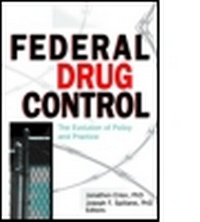
Federal Drug Control
The Evolution of Policy and Practice
1st Edition
Published on 22. June 2004
Book
Hardback
251 pages
978-0-7890-1891-5 (ISBN)
Description
A comprehensive look at the beginnings of the current drug problems in the United States
Federal Drug Control: The Evolution of Policy and Practice presents an overview of the key issues and key individuals responsible for the creation of the federal government's efforts to control illegal drugs in the United States, from 1875-2001. The book focuses special attention on federal legislation that constructed the federal drug regulatory machinery and the Supreme Court cases that interpreted these laws and their implementation. An esteemed panel of scholars, including co-editor Joseph Spillane, author of Cocaine: From Medical Marvel to Modern Menace, and William B. McAllister, author of Drug Diplomacy in the Twentieth Century: An International History, traces the internal tensions between factions favoring medicalization and criminalization throughout the 20th century, examining the difficult choices that continue to be made in this ongoing debate.
The central question in the government's response to the crisis of illicit drugs in the United States has remained the same for more than 125 years: Should the government rely on educational and treatment programs or turn to the criminal justice system for answers? Federal Drug Control examines the historic turning points of the debate, including the 19th Century origins of the controversy, legislation and subsequent Supreme Court decisions in the 20th Century, international attempts at drug control agreements, and the emergence of new illicit drugs. The book also looks at the influential figures of the debate, including Levi Nutt, Lawrence Kolb, Richard Pearson Hobson, A.G. DuMez, and Harry J. Anslinger who ran the Federal Bureau of Narcotics (FBN) for more than 30 years.
Federal Drug Control examines:
the history of cocaine use in the 20th Century
the history of marijuana use in the 20th Century
the advent of psychotropic drugs in the 1960s
the origins of the Harrison Narcotic Act
the federal government's efforts to limit the pharmacy profession's control over prescription drugs
and much more!
Federal Drug Control: The Evolution of Policy and Practice is an essential resource for criminologists, historians, social historians, sociologists, anthropologists, public policymakers, academics, and anyone interested in the broad issues involved in how the federal government deals with the problem of illicit drugs in the United States.
Federal Drug Control: The Evolution of Policy and Practice presents an overview of the key issues and key individuals responsible for the creation of the federal government's efforts to control illegal drugs in the United States, from 1875-2001. The book focuses special attention on federal legislation that constructed the federal drug regulatory machinery and the Supreme Court cases that interpreted these laws and their implementation. An esteemed panel of scholars, including co-editor Joseph Spillane, author of Cocaine: From Medical Marvel to Modern Menace, and William B. McAllister, author of Drug Diplomacy in the Twentieth Century: An International History, traces the internal tensions between factions favoring medicalization and criminalization throughout the 20th century, examining the difficult choices that continue to be made in this ongoing debate.
The central question in the government's response to the crisis of illicit drugs in the United States has remained the same for more than 125 years: Should the government rely on educational and treatment programs or turn to the criminal justice system for answers? Federal Drug Control examines the historic turning points of the debate, including the 19th Century origins of the controversy, legislation and subsequent Supreme Court decisions in the 20th Century, international attempts at drug control agreements, and the emergence of new illicit drugs. The book also looks at the influential figures of the debate, including Levi Nutt, Lawrence Kolb, Richard Pearson Hobson, A.G. DuMez, and Harry J. Anslinger who ran the Federal Bureau of Narcotics (FBN) for more than 30 years.
Federal Drug Control examines:
the history of cocaine use in the 20th Century
the history of marijuana use in the 20th Century
the advent of psychotropic drugs in the 1960s
the origins of the Harrison Narcotic Act
the federal government's efforts to limit the pharmacy profession's control over prescription drugs
and much more!
Federal Drug Control: The Evolution of Policy and Practice is an essential resource for criminologists, historians, social historians, sociologists, anthropologists, public policymakers, academics, and anyone interested in the broad issues involved in how the federal government deals with the problem of illicit drugs in the United States.
More details
Language
English
Place of publication
Binghamton
United States
Publishing group
Taylor & Francis Inc
Illustrations
bibliographical references , index
Weight
567 gr
ISBN-13
978-0-7890-1891-5 (9780789018915)
Copyright in bibliographic data and cover images is held by Nielsen Book Services Limited or by the publishers or by their respective licensors: all rights reserved.
Schweitzer Classification
Other editions
Additional editions
Jonathon Erlen | Joseph F. Spillane | Rebecca Carroll
Federal Drug Control
The Evolution of Policy and Practice
Book
06/2004
1st Edition
Informa Healthcare
€86.84
Article exhausted; check different version
Persons
Content
About the Editors
Contributors
Foreword
Preface
Chapter 1. The Road to the Harrison Narcotics Act: Drugs and Their Control, 1875-1918
Drugs and Drug Distribution in Late Nineteenth-Century America
Defining the Boundaries of Legitimacy
Early Drug Legislation
The Role of the Federal Government
Great Expectations and Unanswered Questions
Chapter 2. Building a Drug Control Regime, 1919-1930
Charting an Official Policy
The Retreat of the Treatment and Maintenance Models
Official Control of Information
Drugs, the Courts, and the Federal Criminal Law
Law Enforcement in Practice
Cops and Doctors
Penetrating the Marketplace
Corruption
Drug Agents and Routine Activities
Chapter 3. Under the Influence: Harry Anslinger's Role in Shaping America's Drug Policy
The Marihuana Tax Act of 1937 (MTA)
The Boggs Act of 1951
Chapter 4. The Narcotic Control Act Triggers the Great Nondebate: Treatment Loses to Punishment
Beyond Boggs: The Narcotic Control Act of 1956
Let the Debate Begin?
FBN Comments on Narcotic Drugs, or the FBN Attacks the Interim Report
1959 NBC Monitor?Still No Discussion
Legacy of the ABA-AMA Joint Committee
Conclusion
Chapter 5. The FDA and the Practice of Pharmacy: Prescription Drug Regulation Before 1968
Pharmacists, Physicians, and Early Prescribing and Dispensing Practices
Prescriptions and Adequate Directions for Safe Use
Dangerous Drugs and the Regulation of Barbiturates and Amphetamines
Conclusion: Legislative Answers to Prescription Drugs and Dangerous Drugs
Chapter 6. Habitual Problems: The United States and International Drug Control
Introduction
1880 to 1920: Defining the Issues
Early 1920x to Mid-1930s: Shaping the International Control Regime
Mid-1930s to Mid-1960s: Implementing the Rules
Late 1960s to 2000: Brave New World
Conclusion
Appendix: Multilateral Treaties on Narcotics and Psychotropic Substances
Chapter 7. Federal Policy in the Post-Anslinger Era: A Guide to Sources, 1962-2001
Seeds of Change
The Psychoactive Revolution
The Nixon Administration
International Drug Enforcement
Marijuana
Cocaine and Drug War Escalation
Index
Reference Notes Included
Contributors
Foreword
Preface
Chapter 1. The Road to the Harrison Narcotics Act: Drugs and Their Control, 1875-1918
Drugs and Drug Distribution in Late Nineteenth-Century America
Defining the Boundaries of Legitimacy
Early Drug Legislation
The Role of the Federal Government
Great Expectations and Unanswered Questions
Chapter 2. Building a Drug Control Regime, 1919-1930
Charting an Official Policy
The Retreat of the Treatment and Maintenance Models
Official Control of Information
Drugs, the Courts, and the Federal Criminal Law
Law Enforcement in Practice
Cops and Doctors
Penetrating the Marketplace
Corruption
Drug Agents and Routine Activities
Chapter 3. Under the Influence: Harry Anslinger's Role in Shaping America's Drug Policy
The Marihuana Tax Act of 1937 (MTA)
The Boggs Act of 1951
Chapter 4. The Narcotic Control Act Triggers the Great Nondebate: Treatment Loses to Punishment
Beyond Boggs: The Narcotic Control Act of 1956
Let the Debate Begin?
FBN Comments on Narcotic Drugs, or the FBN Attacks the Interim Report
1959 NBC Monitor?Still No Discussion
Legacy of the ABA-AMA Joint Committee
Conclusion
Chapter 5. The FDA and the Practice of Pharmacy: Prescription Drug Regulation Before 1968
Pharmacists, Physicians, and Early Prescribing and Dispensing Practices
Prescriptions and Adequate Directions for Safe Use
Dangerous Drugs and the Regulation of Barbiturates and Amphetamines
Conclusion: Legislative Answers to Prescription Drugs and Dangerous Drugs
Chapter 6. Habitual Problems: The United States and International Drug Control
Introduction
1880 to 1920: Defining the Issues
Early 1920x to Mid-1930s: Shaping the International Control Regime
Mid-1930s to Mid-1960s: Implementing the Rules
Late 1960s to 2000: Brave New World
Conclusion
Appendix: Multilateral Treaties on Narcotics and Psychotropic Substances
Chapter 7. Federal Policy in the Post-Anslinger Era: A Guide to Sources, 1962-2001
Seeds of Change
The Psychoactive Revolution
The Nixon Administration
International Drug Enforcement
Marijuana
Cocaine and Drug War Escalation
Index
Reference Notes Included