

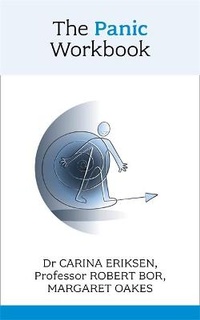
Panic Workbook
Published on 18. October 2012
Book
Paperback/Softback
120 pages
978-1-84709-213-7 (ISBN)
Description
Panic disorder is common, affecting up to 10% in the Western world, and is often linked with other disorders - up to 60% of those with panic may also develop agoraphobia while 70% develop depression. This book takes the reader through tried and tested techniques to help break the automatic progress of a panic attack. Topics include: understanding the causes of panic; how to sidestep a panic attack; dealing with unhelpful techniques such as avoidance, safety behaviours, and solutions that don't work; managing anxiety and panic- practical exercises; deep breathing and relaxation; how to help a relative or friend with panic attacks; checklists for challenging situations such as crowded places, public transport, and business meetings.
More details
Language
English
Place of publication
United Kingdom
Publishing group
John Murray Press
Dimensions
Height: 216 mm
Width: 139 mm
Thickness: 7 mm
Weight
170 gr
ISBN-13
978-1-84709-213-7 (9781847092137)
Copyright in bibliographic data and cover images is held by Nielsen Book Services Limited or by the publishers or by their respective licensors: all rights reserved.
Schweitzer Classification
Other editions
Additional editions
Persons
Dr Carina Eriksen is a registered and chartered clinical psychologist with an extensive London-based practice. She is author or co-author of several books. Professor Robert Bor is a Lead Consultant Clinical Psychologist at the Royal Free Hospital, and author of 30 books. Margaret Oakes is a trainee counselling psychologist and airline pilot with a specialist interest in mental health disorders.
Content
Topics include: What is panic? How is it different from other anxiety disorders? What causes and/or maintains panic? The problem of failed solutions - coping with unhelpful techniques such as avoidance Managing panic attacks - adaptive ways of controlling panic such as deep breathing, relaxation, lifestyle changes, nutrition, reducing avoidance/exposure, dropping safety behaviours etc Dealing with the worry of having another panic attack - breaking the vicious cycle of anxiety Using CBT tools to reframe anxious thinking. How to help a friend or relative with panic What to do if self-help isn't enough Tips and hints for managing panic - checklists for challenging situations such as going to a crowded places, using public transport, hosting a business meeting etc.