


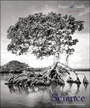
Environmental Science: With Online Learning Center Password Card
10th Edition
Published on 1. February 2005
Book
Paperback/Softback
978-0-07-111709-8 (ISBN)
Description
This full-color, introductory environmental science text is known for being concise, conceptual and value-priced. The approach and reading level cover the basic concepts without overloading students with too much detail. The central theme throughout the text is interrelatedness. The authors identify major issues and give appropriate examples that illustrate the complex interactions that are characteristic of all environmental issues.
More details
Edition
10th Revised edition
Language
English
Place of publication
London
United Kingdom
Publishing group
McGraw-Hill Education - Europe
Edition type
Revised edition
Illustrations
colour illustrations
Dimensions
Height: 279 mm
Width: 233 mm
Thickness: 27 mm
Weight
1406 gr
ISBN-13
978-0-07-111709-8 (9780071117098)
Copyright in bibliographic data is held by Nielsen Book Services Limited or its licensors: all rights reserved.
Schweitzer Classification
Other editions
Previous edition
Book
04/2003
9th Edition
McGraw-Hill Education (ISE Editions)
€51.98
No shipping information available
Persons
Retired from teaching at Delta College summer/2000. Eldon has over 30 years teaching experience in biology, zoology, and environmental science. Eldon has been a Fullbright Exchange Teacher in Australia and Scotland, received the Bergstein Award for Teaching Excellence at Delta College, and participated in an Earthwatch Research Program in Costa Rica. In addition to the environmental science text, Eldon is co-author of the very successful CONCEPTS IN BIOLOGY, general biology text with WCB. Brad is Dean of the Huxley School of Environmental Studies at Western Washington University in Bellingham, WA. Prior to this, he was Director of Environmental Education for the U.S. Environmental Protection Agency in Washington, D.C. Brad has degrees in political science, public administration, and natural resources from the University of Michigan. Before accepting the appointment with the EPA, Brad was a professor of political science and environmental studies for 15 years.
Content
1 Interrelatedness1 Environmental Interrelationships2 Environmental Ethics3 Risk and Cost: Elements of Decision Making2 Ecological Principles and Their Application4 Interrelated Scientific Principles: Matter, Energy, and Environment5 Interactions: Environments and Organisms6 Kinds of Ecosystems and Communities7 Population Principles8 Human Population Issues3 Energy9 Energy and Civilization: Patterns of Consumption10 Energy Sources11 Nuclear Energy: Benefits and Risks4 Human Influences on Ecosystems12 Human Impact on Resources and Ecosystems13 Land-Use Planning14 Soil and Its Uses15 Agricultural Methods and Pest Management16 Water Management5 Pollution and Policy17 Air Quality Issues18 Solid Waste Management and Disposal19 Regulating Hazardous Materials20 Environmental Policy and Decision Making Appendix 1 Critical Thinking Appendix 2 Metric Unit Conversion Tables Appendix 3 The Periodic Table of the Elements Appendix 4 What You Can Do to Make the World a Better Place in Which to Live Appendix 5 How to Write Your Elected Officials