

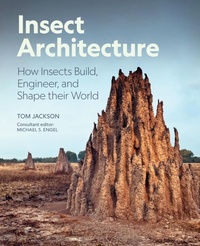
Insect Architecture
How Insects Build, Engineer, and Shape Their World
Published on 9. September 2025
Book
Hardback
176 pages
978-0-691-27523-9 (ISBN)
Description
The essential illustrated guide to the ingenious techniques that insects use to construct an astounding array of natural structures, from nests to shelters to traps
Insect Architecture takes you inside the amazing structures that insects build, from the paper galleries of yellowjacket wasps to elaborate termite mounds complete with royal chambers and air-conditioning systems. Each chapter focuses on a group of insect architects, describing the materials and methods they use while exploring the structures themselves in detail. Blending spectacular illustrations with illuminating case studies of representative species from around the world, this is the ultimate guide to insect artistry and innovation.
Features a wealth of color photos, explanatory diagrams and blueprints, step-by-step sequences, and visual spreads
Covers all major groups of insect architects and the broad array of structures they build
Explains how anatomy, life cycle, and habitat are the ingredients to extraordinary creations
Profiles the insect world's most accomplished builders-from beetles, bees, and cicadas to moths, wasps, ants, and termites
Discusses the ecological impacts of insect architecture
Reveals how insect builders have inspired human design innovations
Insect Architecture takes you inside the amazing structures that insects build, from the paper galleries of yellowjacket wasps to elaborate termite mounds complete with royal chambers and air-conditioning systems. Each chapter focuses on a group of insect architects, describing the materials and methods they use while exploring the structures themselves in detail. Blending spectacular illustrations with illuminating case studies of representative species from around the world, this is the ultimate guide to insect artistry and innovation.
Features a wealth of color photos, explanatory diagrams and blueprints, step-by-step sequences, and visual spreads
Covers all major groups of insect architects and the broad array of structures they build
Explains how anatomy, life cycle, and habitat are the ingredients to extraordinary creations
Profiles the insect world's most accomplished builders-from beetles, bees, and cicadas to moths, wasps, ants, and termites
Discusses the ecological impacts of insect architecture
Reveals how insect builders have inspired human design innovations
Reviews / Votes
"This book is about as fascinating a read as you will ever have, even if you never gave a thought to the lives of insects before. . . . You simply cannot fail to be impressed with it all and not a little gobsmacked along the way."---David Gascoigne, Travels with BirdsMore details
Language
English
Place of publication
New Jersey
United States
Target group
College/higher education
Professional and scholarly
Product notice
Trade binding
Illustrations
150 color illus.
Dimensions
Height: 258 mm
Width: 206 mm
Thickness: 19 mm
Weight
854 gr
ISBN-13
978-0-691-27523-9 (9780691275239)
Copyright in bibliographic data and cover images is held by Nielsen Book Services Limited or by the publishers or by their respective licensors: all rights reserved.
Schweitzer Classification
Other editions
Additional editions
Michael S. Engel | Tom Jackson
Insect Architecture
How Insects Build, Engineer, and Shape Their World
E-Book
09/2025
1st Edition
Princeton University Press
€28.99
Available for download
Persons
Tom Jackson is an acclaimed science writer and conservationist. His books include Biology: An Illustrated History of Life Science, The Magnificent Book of Dangerous Animals, Micro Monsters, and Genetics in Minutes: 200 Key Ideas of Evolution and Biology in an Instant. He was the chief editor of Insects and Spiders of the World. Michael S. Engel is a world authority on bees and the diversity of living and extinct insects. His books include Innumerable Insects: The Story of the Most Diverse and Myriad Animals on Earth and Evolution of the Insects.