

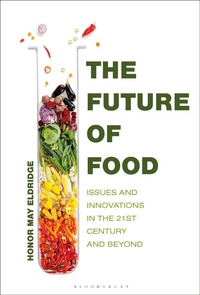
The Future of Food
Issues and Innovations in the 21st Century and Beyond
Published on 11. June 2026
Book
Hardback
344 pages
979-8-7651-2985-2 (ISBN)
Description
How do we ensure that there is enough healthy and sustainable food to feed everyone in the world in the 21st century and beyond?
The future of food is in peril. Food production around the globe is both a contributor to and a victim of climate change, while population growth and shifting consumption patterns threaten to outpace supply. The Future of Food examines the current issues facing our food supply and considers the potential solutions to those challenges. Chapters in Part 1 explore the plethora of challenges facing the global food system and highlight the interconnectedness of these issues. Part 2 addresses the future of protein, one of the most important and hotly debated topics in food and environmental sciences. Readers will discover the many possible futures, from protein powders made from insects to burgers grown in a lab. Finally, Part 3 examines a variety of other low- and high-tech solutions, from vertical farming and regenerative agricultural practices to spoil-proof packaging, genetic modification, and the use of AI. The book presents a balanced and nuanced exploration of each possible solution, examining the strengths, drawbacks, and viability of each. Sidebars supplement the main text, offering illuminating real-world case studies that bring the text to life.
The future of food is in peril. Food production around the globe is both a contributor to and a victim of climate change, while population growth and shifting consumption patterns threaten to outpace supply. The Future of Food examines the current issues facing our food supply and considers the potential solutions to those challenges. Chapters in Part 1 explore the plethora of challenges facing the global food system and highlight the interconnectedness of these issues. Part 2 addresses the future of protein, one of the most important and hotly debated topics in food and environmental sciences. Readers will discover the many possible futures, from protein powders made from insects to burgers grown in a lab. Finally, Part 3 examines a variety of other low- and high-tech solutions, from vertical farming and regenerative agricultural practices to spoil-proof packaging, genetic modification, and the use of AI. The book presents a balanced and nuanced exploration of each possible solution, examining the strengths, drawbacks, and viability of each. Sidebars supplement the main text, offering illuminating real-world case studies that bring the text to life.
More details
Language
English
Place of publication
New York
United States
Publishing group
Bloomsbury Publishing Plc
Target group
College/higher education
Primary & secondary/elementary & high school
Dimensions
Height: 241 mm
Width: 164 mm
Thickness: 27 mm
Weight
694 gr
ISBN-13
979-8-7651-2985-2 (9798765129852)
Copyright in bibliographic data and cover images is held by Nielsen Book Services Limited or by the publishers or by their respective licensors: all rights reserved.
Schweitzer Classification
Person
Honor May Eldridge is a policy and advisory expert in food and environment impact, with over a decade of experience advocating for resilient, equitable food systems in both the UK and the US.
Content
Acknowledgments
Preface
Introduction
Part 1: Food System in Crisis
Introduction
Chapter 1: Environmental Challenges
Chapter 2: Public Health in Crisis
Chapter 3: Social and Political Challenges
Chapter 4: Farming in Crisis
Part 2: The Future of Protein
Introduction
\Chapter 5: Reconceptualizing Alternative Protein Sources
Chapter 6: Lab-Grown "Meat"
Chapter 7: Sustainably Raised Meat
Part 3: Agricultural Innovation
Introduction
Chapter 8: The Future of Breeding
Chapter 9: Feeding a City
Chapter 10: Agri-Technology
Chapter 11: Combatting Food Waste with Technology
Conclusion
List of Abbreviations
Recommended Further Reading
Index
About the Author
Preface
Introduction
Part 1: Food System in Crisis
Introduction
Chapter 1: Environmental Challenges
Chapter 2: Public Health in Crisis
Chapter 3: Social and Political Challenges
Chapter 4: Farming in Crisis
Part 2: The Future of Protein
Introduction
\Chapter 5: Reconceptualizing Alternative Protein Sources
Chapter 6: Lab-Grown "Meat"
Chapter 7: Sustainably Raised Meat
Part 3: Agricultural Innovation
Introduction
Chapter 8: The Future of Breeding
Chapter 9: Feeding a City
Chapter 10: Agri-Technology
Chapter 11: Combatting Food Waste with Technology
Conclusion
List of Abbreviations
Recommended Further Reading
Index
About the Author