

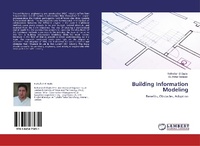
Building Information Modeling
Benefits, Obstacles, Adoption
Published on 28. September 2011
Book
Paperback/Softback
72 pages
978-3-8454-7585-1 (ISBN)
Description
The architecture, engineering and construction (AEC) industry suffers from fragmentation and disruption in information flow throughout the project processes since the involved participants from different disciplines operate from isolated islands. The incompatible data formats used, and the lack of collaboration between the different players in the current traditional methods cause many projects to be over budget, behind schedule, and deviated from the client objectives. The idea of creating a standardized digital model for the construction projects to overcome the drawbacks of the traditional methods is not new to the industry; the state of the art in this field is Building Information Modeling (BIM). The work reviews literature in the field of BIM to provide a better understanding on the topic. The research conducted sheds some light on the degree of awareness and adoption of BIM; also it discusses the various factors and obstacles that influence its use in the current AEC industry. The study should be useful for architects, engineers, contractors, or anyone else who takes part in the AEC industry.
More details
Language
English
Place of publication
Germany
Product notice
Paperback (trade)
Unsewn / adhesive bound
Dimensions
Height: 220 mm
Width: 150 mm
Thickness: 5 mm
Weight
125 gr
ISBN-13
978-3-8454-7585-1 (9783845475851)
Copyright in bibliographic data and cover images is held by Nielsen Book Services Limited or by the publishers or by their respective licensors: all rights reserved.
Schweitzer Classification