

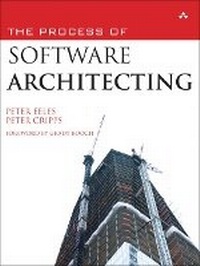
The Process of Software Architecting
Published on 6. August 2009
Book
Paperback/Softback
432 pages
978-0-321-35748-9 (ISBN)
Description
A Comprehensive Process for Defining Software Architectures That Work
A good software architecture is the foundation of any successful software system. Effective architecting requires a clear understanding of organizational roles, artifacts, activities performed, and the optimal sequence for performing those activities.
With The Process of Software Architecting, Peter Eeles and Peter Cripps provide guidance on these challenges by covering all aspects of architecting a software system, introducing best-practice techniques that apply in every environment, whether based on Java EE, Microsoft .NET, or other technologies. Eeles and Cripps first illuminate concepts related to software architecture, including architecture documentation and reusable assets. Next, they present an accessible, task-focused guided tour through a typical project, focusing on the architect's role, with common issues illuminated and addressed throughout. Finally, they conclude with a set of best practices that can be applied to today's most complex systems.
You will come away from this book understanding
The role of the architect in a typical software development project
How to document a software architecture to satisfy the needs of different stakeholders
The applicability of reusable assets in the process of architecting
The role of the architect with respect to requirements definition
The derivation of an architecture based on a set of requirements
The relevance of architecting in creating complex systems
The Process of Software Architecting will be an indispensable resource for every working and aspiring software architect-and for every project manager and other software professional who needs to understand how architecture influences their work.
A good software architecture is the foundation of any successful software system. Effective architecting requires a clear understanding of organizational roles, artifacts, activities performed, and the optimal sequence for performing those activities.
With The Process of Software Architecting, Peter Eeles and Peter Cripps provide guidance on these challenges by covering all aspects of architecting a software system, introducing best-practice techniques that apply in every environment, whether based on Java EE, Microsoft .NET, or other technologies. Eeles and Cripps first illuminate concepts related to software architecture, including architecture documentation and reusable assets. Next, they present an accessible, task-focused guided tour through a typical project, focusing on the architect's role, with common issues illuminated and addressed throughout. Finally, they conclude with a set of best practices that can be applied to today's most complex systems.
You will come away from this book understanding
The role of the architect in a typical software development project
How to document a software architecture to satisfy the needs of different stakeholders
The applicability of reusable assets in the process of architecting
The role of the architect with respect to requirements definition
The derivation of an architecture based on a set of requirements
The relevance of architecting in creating complex systems
The Process of Software Architecting will be an indispensable resource for every working and aspiring software architect-and for every project manager and other software professional who needs to understand how architecture influences their work.
Reviews / Votes
"The role of software architect has really come into its own in the last few years and is now recognized as a key determinant of project success. However, even today there is little common understanding of how to do the job: analyze requirements, understand concerns, evaluate alternatives, and construct and document an architectural description that is fit for purpose. Eeles and Cripps have filled this gap in their useful and practical book. The material is clearly and simply laid out, and follows a logical progression from inception through delivery, with tasks and work products clearly explained and illustrated using a real-world case study. This is a vital handbook for everyone from brand new architects to seasoned professionals."-Nick Rozanski, coauthor of Software Systems Architecture
"If you need a thorough and authoritative reference for a complete software architecture process, then look no further. Peter Eeles and Peter Cripps have produced a definitive guide and reference to just such a process. Being precisely defined using a metamodel, illustrated with a realistic case study, and clearly related to key standards such as UML, RUP, and IEEE 1471, the process presented in this book provides a valuable guide for those developing software architectures for large projects. I have no doubt that it will become a valued reference for many software architects."
-Eoin Woods, coauthor of Software Systems Architecture
"Eeles and Cripps distill years of experience into a single guide that helps the reader understand not just what architects produce, but how they produce it. The Process of Software Architecting is a very practical guide filled with lessons learned and pitfalls to avoid. Practicing architects will want to refer to it as they hone their skills, and aspiring architects will gain key insights that otherwise could take painful years of experience to acquire."
-Bob Kitzberger, program director, Strategy, IBM Software Group
"For most of my career in this field, software architecture has had the feel of being a black art that only a select few gurus and wizards had a talent for. This book follows on from industry best practice and a wealth of author experience to bring solutions architecture into the realms of being a true engineering discipline. Now I have a real guide I can pass on to new practitioners, a guide that embodies what used to require years of trial and error."
-Colin Renouf, enterprise architect and technology author, vice chairman, WebSphere User Group, UK
More details
Other editions
Additional editions
Peter Eeles | Peter Cripps
Process of Software Architecting, The
E-Book
04/2021
1st Edition
Addison Wesley
€39.49
Available for download
Peter Eeles | Peter Cripps
Process of Software Architecting, The
E-Book
07/2009
1st Edition
Addison Wesley
€51.49
Available for download
Persons
Peter Eeles is an IBM executive IT architect, working within the Rational brand of IBM's Software Group. In this capacity he helps organizations improve their software development capability, with a particular focus on and interest in improving the architecting process. Peter has been in the software industry since 1985 and has spent much of his career architecting and implementing large-scale, distributed systems. Peter is coauthor of Building J2EE Applications with the Rational Unified Process (Addison-Wesley, 2002) and coauthor of Building Business Objects (John Wiley & Sons, 1998). He is a fellow of the British Computer Society (FBCS), a fellow of the Institute of Engineering and Technology (FIET), an IBM technical staff member, an Open Group Master Certified IT architect, and a Chartered IT Professional (CITP).
Peter Cripps is an IT architect in IBM Global Business Services in the United Kingdom. He has been in the software industry since 1980, during which time he has worked as a programmer, real-time software engineer, and process engineer across a range of industries, including telecommunications, financial services, retail, and government. Peter's particular areas of technical expertise and interest are the application of component- and service-based development techniques and the development of good architecture practice. He is a member of the British Computer Society (MBCS) and a Chartered IT Professional (CITP).
Peter Cripps is an IT architect in IBM Global Business Services in the United Kingdom. He has been in the software industry since 1980, during which time he has worked as a programmer, real-time software engineer, and process engineer across a range of industries, including telecommunications, financial services, retail, and government. Peter's particular areas of technical expertise and interest are the application of component- and service-based development techniques and the development of good architecture practice. He is a member of the British Computer Society (MBCS) and a Chartered IT Professional (CITP).
Content
Foreword xvii
Preface xix
Acknowledgments xxiii
About the Authors xxv
Chapter 1: Introduction 1
Applying the Process 2
The Process in Brief 2
Scope 8
Summary 8
Chapter 2: Architecture, Architect, Architecting 9
Architecture 9
Architect 21
The Benefits of Architecting 35
Summary 40
Chapter 3: Method Fundamentals 43
Key Concepts 43
Method Content 46
Process 50
Summary 59
Chapter 4: Documenting a Software Architecture 61
The End Game 62
Key Concepts 64
Viewpoints and Views 65
Models 72
Characteristics of an Architecture Description Framework 75
An Architecture Description Framework 81
The Software Architecture Document 87
Summary 88
Chapter 5: Reusable Architecture Assets 89
Sources of Architecture 89
An Architecture Asset Metamodel 90
Asset Types 94
Attributes of an Architecture Asset 103
Other Reuse Considerations 106
Summary 106
Chapter 6: Introduction to the Case Study 107
Applying the Process 107
Scope of the Case Study 110
Application Overview 115
The YourTour Vision 118
Summary 123
Chapter 7: Defining the Requirements 125
Relating Requirements to Architecture 128
Functional and Non-Functional Requirements 130
Techniques for Documenting Requirements 131
Applying the Process 132
Understanding the Task Descriptions 133
Define Requirements: Activity Overview 134
Task: Collect Stakeholder Requests 136
Task: Capture Common Vocabulary 141
Task: Define System Context 143
Task: Outline Functional Requirements 149
Task: Outline Non-Functional Requirements 156
Task: Prioritize Requirements 160
Task: Detail Functional Requirements 164
Task: Detail Non-Functional Requirements 171
Task: Update Software Architecture Document 174
Task: Review Requirements with Stakeholders 175
Summary 176
Chapter 8: Creating the Logical Architecture 179
Moving from Requirements to Solution 182
How Much Logical Architecture? 185
Applying the Process 188
Create Logical Architecture: Activity Overview 188
Task: Survey Architecture Assets 192
Task: Define Architecture Overview 194
Task: Document Architecture Decisions 200
Task: Outline Functional Elements 204
Task: Outline Deployment Elements 222
Task: Verify Architecture 228
Task: Build Architecture Proof-of-Concept 232
Task: Detail Functional Elements 234
Task: Detail Deployment Elements 245
Task: Validate Architecture 251
Task: Update Software Architecture Document 256
Task: Review Architecture with Stakeholders 258
Summary 260
Chapter 9: Creating the Physical Architecture 261
Moving from Logical to Physical Architecture 263
Applying the Process 265
Creating the Physical Architecture: Activity Overview 266
Task: Survey Architecture Assets 269
Task: Define Architecture Overview 270
Task: Document Architecture Decisions 273
Task: Outline Functional Elements 274
Task: Outline Deployment Elements 289
Task: Verify Architecture 292
Task: Build Architecture Proof-of-Concept 293
Task: Detail Functional Elements 294
Task: Detail Deployment Elements 296
Task: Validate Architecture 300
Task: Update Software Architecture Document 301
Task: Review Architecture with Stakeholders 301
Summary 302
Chapter 10: Beyond the Basics 303
The Architect and the Project Team 303
The Architect and External Influences 313
Architecting Complex Systems 318
Summary 330
In Conclusion: A Note from the Authors 331
Appendix A: Software Architecture Metamodel 333
Definition of Metamodel Terms 335
Appendix B: Viewpoint Catalog 339
Stakeholder Summary 340
Basic Viewpoints 341
Cross-Cutting Viewpoints 344
View Correspondence 347
Appendix C: Method Summary 351
Roles 351
Work Products 354
Activities 356
Tasks 356
Phases 362
Appendix D: Architectural Requirement Checklist 365
Functional Requirements 366
Usability Requirements 366
Reliability Requirements 367
Performance Requirements 367
Supportability Requirements 368
Constraints 368
Glossary 373
References 379
Index 385
Preface xix
Acknowledgments xxiii
About the Authors xxv
Chapter 1: Introduction 1
Applying the Process 2
The Process in Brief 2
Scope 8
Summary 8
Chapter 2: Architecture, Architect, Architecting 9
Architecture 9
Architect 21
The Benefits of Architecting 35
Summary 40
Chapter 3: Method Fundamentals 43
Key Concepts 43
Method Content 46
Process 50
Summary 59
Chapter 4: Documenting a Software Architecture 61
The End Game 62
Key Concepts 64
Viewpoints and Views 65
Models 72
Characteristics of an Architecture Description Framework 75
An Architecture Description Framework 81
The Software Architecture Document 87
Summary 88
Chapter 5: Reusable Architecture Assets 89
Sources of Architecture 89
An Architecture Asset Metamodel 90
Asset Types 94
Attributes of an Architecture Asset 103
Other Reuse Considerations 106
Summary 106
Chapter 6: Introduction to the Case Study 107
Applying the Process 107
Scope of the Case Study 110
Application Overview 115
The YourTour Vision 118
Summary 123
Chapter 7: Defining the Requirements 125
Relating Requirements to Architecture 128
Functional and Non-Functional Requirements 130
Techniques for Documenting Requirements 131
Applying the Process 132
Understanding the Task Descriptions 133
Define Requirements: Activity Overview 134
Task: Collect Stakeholder Requests 136
Task: Capture Common Vocabulary 141
Task: Define System Context 143
Task: Outline Functional Requirements 149
Task: Outline Non-Functional Requirements 156
Task: Prioritize Requirements 160
Task: Detail Functional Requirements 164
Task: Detail Non-Functional Requirements 171
Task: Update Software Architecture Document 174
Task: Review Requirements with Stakeholders 175
Summary 176
Chapter 8: Creating the Logical Architecture 179
Moving from Requirements to Solution 182
How Much Logical Architecture? 185
Applying the Process 188
Create Logical Architecture: Activity Overview 188
Task: Survey Architecture Assets 192
Task: Define Architecture Overview 194
Task: Document Architecture Decisions 200
Task: Outline Functional Elements 204
Task: Outline Deployment Elements 222
Task: Verify Architecture 228
Task: Build Architecture Proof-of-Concept 232
Task: Detail Functional Elements 234
Task: Detail Deployment Elements 245
Task: Validate Architecture 251
Task: Update Software Architecture Document 256
Task: Review Architecture with Stakeholders 258
Summary 260
Chapter 9: Creating the Physical Architecture 261
Moving from Logical to Physical Architecture 263
Applying the Process 265
Creating the Physical Architecture: Activity Overview 266
Task: Survey Architecture Assets 269
Task: Define Architecture Overview 270
Task: Document Architecture Decisions 273
Task: Outline Functional Elements 274
Task: Outline Deployment Elements 289
Task: Verify Architecture 292
Task: Build Architecture Proof-of-Concept 293
Task: Detail Functional Elements 294
Task: Detail Deployment Elements 296
Task: Validate Architecture 300
Task: Update Software Architecture Document 301
Task: Review Architecture with Stakeholders 301
Summary 302
Chapter 10: Beyond the Basics 303
The Architect and the Project Team 303
The Architect and External Influences 313
Architecting Complex Systems 318
Summary 330
In Conclusion: A Note from the Authors 331
Appendix A: Software Architecture Metamodel 333
Definition of Metamodel Terms 335
Appendix B: Viewpoint Catalog 339
Stakeholder Summary 340
Basic Viewpoints 341
Cross-Cutting Viewpoints 344
View Correspondence 347
Appendix C: Method Summary 351
Roles 351
Work Products 354
Activities 356
Tasks 356
Phases 362
Appendix D: Architectural Requirement Checklist 365
Functional Requirements 366
Usability Requirements 366
Reliability Requirements 367
Performance Requirements 367
Supportability Requirements 368
Constraints 368
Glossary 373
References 379
Index 385