

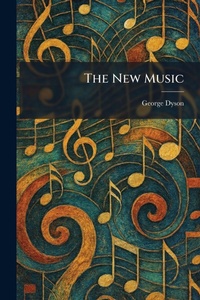
The New Music
Description
"The New Music" is a profound and insightful examination of the evolving landscape of musical composition during the early twentieth century. Written by the distinguished composer and educator Sir George Dyson, this work explores the radical shifts in melody, harmony, and rhythm that defined the modern era, offering a critical yet empathetic perspective on the avant-garde movements of its time.
The book delves into the technical and aesthetic challenges faced by composers as they moved away from traditional tonality and classical structures. Dyson provides a detailed analysis of contemporary techniques, discussing the works of influential figures and the broader cultural forces shaping the art form. This volume serves as both a historical record of a pivotal moment in music history and a timeless exploration of the creative process.
Throughout "The New Music", readers will find an engaging discussion on the relationship between musical tradition and innovation. Dyson's clear prose and deep expertise make complex theoretical concepts accessible to students, professionals, and music enthusiasts alike. By bridging the gap between the nineteenth-century legacy and the then-unfolding future, the work remains an essential resource for understanding the foundations of modern musical thought and the enduring quest for new expressive possibilities.
This work has been selected by scholars as being culturally important, and is part of the knowledge base of civilization as we know it. This work was reproduced from the original artifact, and remains as true to the original work as possible. Therefore, you may see the original copyright references, library stamps (as most of these works have been housed in our most important libraries around the world), and other notations in the work.
This work is in the public domain in the United States of America, and possibly other nations. Within the United States, you may freely copy and distribute this work, as no entity (individual or corporate) has a copyright on the body of the work.
As a reproduction of a historical artifact, this work may contain missing or blurred pages, poor pictures, errant marks, etc. Scholars believe, and we concur, that this work is important enough to be preserved, reproduced, and made generally available to the public. We appreciate your support of the preservation process, and thank you for being an important part of keeping this knowledge alive and relevant.