

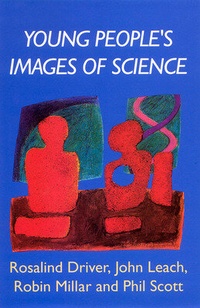
YOUNG PEOPLE'S IMAGES OF SCIENCE
Published on 16. January 1996
Book
Paperback/Softback
192 pages
978-0-335-19381-3 (ISBN)
Description
* What ideas about science do school students form as a result of their experiences in and out of school?
* How might science teaching in schools develop a more scientifically-literate society?
* How do school students understand disputes about scientific issues including those which have social significance, such as the irradiation of food?
There have been calls in the UK and elsewhere for a greater public understanding of science underpinned by, amongst other things, school science education. However, the relationship between school science, scientific literacy and the public understanding of science remains controversial.
In this book, the authors argue that an understanding of science goes beyond learning the facts, laws and theories of science and that it involves understanding the nature of scientific knowledge itself and the relationships between science and society. Results of a major study into the understanding of these issues by school students aged 9 to 16 are described. These results suggest that the success of the school science curriculum in promoting this kind of understanding is at best limited.
The book concludes by discussing ways in which the school science curriculum could be adapted to better equip students as future citizens in our modern scientific and technological society. It will be particularly relevant to science teachers, advisers and inspectors, teacher educators and curriculum planners.
* How might science teaching in schools develop a more scientifically-literate society?
* How do school students understand disputes about scientific issues including those which have social significance, such as the irradiation of food?
There have been calls in the UK and elsewhere for a greater public understanding of science underpinned by, amongst other things, school science education. However, the relationship between school science, scientific literacy and the public understanding of science remains controversial.
In this book, the authors argue that an understanding of science goes beyond learning the facts, laws and theories of science and that it involves understanding the nature of scientific knowledge itself and the relationships between science and society. Results of a major study into the understanding of these issues by school students aged 9 to 16 are described. These results suggest that the success of the school science curriculum in promoting this kind of understanding is at best limited.
The book concludes by discussing ways in which the school science curriculum could be adapted to better equip students as future citizens in our modern scientific and technological society. It will be particularly relevant to science teachers, advisers and inspectors, teacher educators and curriculum planners.
Reviews / Votes
"The book is well laid out, carefully planned and argued at every stage, with excellent clear headings and summaries...This is avolume which should find its way into the resource library of every science teaching department." - Institute of Physics Journal "...essential reading for anyone serious about improving the practice of science education." - Journal of Biological Education "...an informative, thought-provoking and very important read." - School Science Review "...a significant and stimulating book. It has relevant messages for scienceteachers, teacher educators and curriculum planners. Read it - you will enjoy the experience." - New Era in Education "...it presents well researched arguments thatwe should all consider for developing a more scientifically-literate society."- Education In The North "...a goodexample of pedagogic science." - British Journal of Educational PsychologyMore details
Other editions
Additional editions
Rosalind Driver
Young People'S Images Of Science
E-Book
01/1996
1st Edition
McGraw-Hill Education
€69.39
Available for download
Persons
McGraw-Hill authors represent the leading experts in their fields and are dedicated to improving the lives, careers, and interests of readers worldwide
Content
Introduction
Why does understanding the nature of science matter?
What is the nature of science
What do we already know about young people's ideas about the nature of science
Investigating young people's ideas about the nature of science
Young people's ideas about the purposes of science
Young people's ideas about the nature and status of scientific knowledge
A framework for characterizing features of young people's epistemological reasoning
Young people's appreciation of the social context of science
Educational implications of young people's images of science
Index
Why does understanding the nature of science matter?
What is the nature of science
What do we already know about young people's ideas about the nature of science
Investigating young people's ideas about the nature of science
Young people's ideas about the purposes of science
Young people's ideas about the nature and status of scientific knowledge
A framework for characterizing features of young people's epistemological reasoning
Young people's appreciation of the social context of science
Educational implications of young people's images of science
Index