


What Every CEO Should Know About AI
Published on 5. May 2022
Book
Paperback/Softback
86 pages
978-1-009-01692-6 (ISBN)
Description
Dr Viktor Doerfler combines his background in developing and implementing AI with scholarly research on knowledge and cultivating talent to address misconceptions about AI. The Element explains what AI can and cannot do, carefully delineating facts from beliefs or wishful thinking. Filled with examples, this practical Element provokes thinking. The purpose is to help CEOs figure out how to make the best use of AI, suggesting how to extract AI's greatest value through appropriate task allocation between human experts and AI. The author challenges the attribution of characteristics like understanding, thinking, and creativity to AI, supporting his argument with the ideas of the finest AI philosophers. He also discusses in depth one of the most sensitive AI-related topics: ethics. The readers are encouraged to make up their own minds about AI and draw their own conclusions rather than accepting opinions from people with vested interests or an agenda.
More details
Series
Language
English
Place of publication
Cambridge
United Kingdom
Target group
College/higher education
Edition type
New edition
Product notice
Paperback (trade)
Illustrations
Worked examples or Exercises
Dimensions
Height: 229 mm
Width: 152 mm
Thickness: 5 mm
Weight
127 gr
ISBN-13
978-1-009-01692-6 (9781009016926)
Copyright in bibliographic data and cover images is held by Nielsen Book Services Limited or by the publishers or by their respective licensors: all rights reserved.
Schweitzer Classification
Other editions
Additional editions
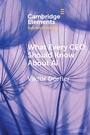
Viktor Doerfler
What Every CEO Should Know About AI
E-Book
07/2022
Cambridge University Press
€15.49
Available for download
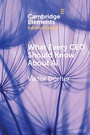
Viktor Dorfler
What Every CEO Should Know About AI
E-Book
04/2022
Cambridge University Press
€15.49
Available for download
Content
Foreword; 1. Introduction: The Strategic Landscape of AI; 2. Ex Machina; 3. Knowing; 4. Learning; 5. Creating; 6. Moral Issues; 7. Final Commentary.