

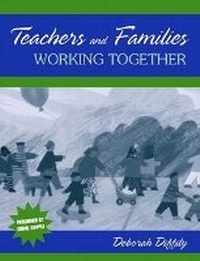
Teachers and Families Working Together
Published on 14. January 2004
Book
Paperback/Softback
192 pages
978-0-205-37610-0 (ISBN)
Description
Teachers and Families Working Together is a concise resource that details what teachers need to know to be effective in working with the families of young children. Chapters detail the benefits of family involvement for families, teachers, and especially children. Using the voices of many family members and teachers, this book describes diverse family types and cultures, and gives specific strategies teachers can use to involve family members and the community in the life of a class or school. The family involvement strategies are divided into written communication, shared time, and other ways to involve families. Strategies are practical, and based on the experiences of experiences early childhood educations.
More details
Language
English
Place of publication
United States
Publishing group
Pearson Education (US)
Target group
Professional and scholarly
Dimensions
Height: 232 mm
Width: 178 mm
Weight
327 gr
ISBN-13
978-0-205-37610-0 (9780205376100)
Copyright in bibliographic data and cover images is held by Nielsen Book Services Limited or by the publishers or by their respective licensors: all rights reserved.
Schweitzer Classification
Content
I. DIFFERENT PERSPECTIVES ABOUT FAMILY INVOLVEMENT.
1. What the Experts Say About Family Involvement.
The Historical Perspective of Parent Education/Family Involvement.
The Positions of Professional Organizations.
The Views of National Organizations and Agencies.
2. What Families Say About Family Involvement.
Family Types.
3. What Teachers Say About Family Involvement.
Beliefs About Working with Families.
Working with Family Practices.
Factor's Affecting Work with Families.
II. BARRIERS AND BENEFITS.
4. Reluctant Families.
Families Reluctant to Become Involved.
Teachers Reluctant to Involve Families.
5. Benefits of Family Involvement
Benefits to Children.
Benefits to Families.
Benefits to Teachers.
Benefits to Schools.
III. STRATEGIES TO COMMUNICATE WITH AND INVOLVE FAMILIES.
6. Written Communication.
Classroom-Level.
School-Level.
7. Shared Time with Families.
School-Level.
Classroom-Level.
8. Other Ways of Communicating.
School Level.
Classroom Level.
9. Working Through Cultural Differences Between Teachers and Families.
Cultural Differences.
Characteristics of African-American Families.
Characteristics of Hispanic Families.
Characteristics of Asian Families.
Characteristics of Native American Families.
Characteristics of Middle Eastern Families.
Characteristics of Immigrant Families.
10. Working Through Other Differences Between Teacher and Families.
Differences in Beliefs About Educational Practices.
Differences in Socioeconomic Status.
Linguistic Differences.
Educators' Responsibilities in Working Through Differences with Families.
IV. GETTING STARTED, BEING EFFECTIVE, AND MOVING BEYOND FAMILY INVOLVEMENT.
11. Getting Started with Family Involvement and Moving into the Community.
Making Plans for Family Involvement.
Implementing Plans for Family Involvement.
Working in and with the Community.
12. Being an Advocate for Young Children and Their Families.
Public Policy Advocacy.
Private-Sector Advocacy.
Personal Advocacy.
Important Issues for Advocates to Remember.
1. What the Experts Say About Family Involvement.
The Historical Perspective of Parent Education/Family Involvement.
The Positions of Professional Organizations.
The Views of National Organizations and Agencies.
2. What Families Say About Family Involvement.
Family Types.
3. What Teachers Say About Family Involvement.
Beliefs About Working with Families.
Working with Family Practices.
Factor's Affecting Work with Families.
II. BARRIERS AND BENEFITS.
4. Reluctant Families.
Families Reluctant to Become Involved.
Teachers Reluctant to Involve Families.
5. Benefits of Family Involvement
Benefits to Children.
Benefits to Families.
Benefits to Teachers.
Benefits to Schools.
III. STRATEGIES TO COMMUNICATE WITH AND INVOLVE FAMILIES.
6. Written Communication.
Classroom-Level.
School-Level.
7. Shared Time with Families.
School-Level.
Classroom-Level.
8. Other Ways of Communicating.
School Level.
Classroom Level.
9. Working Through Cultural Differences Between Teachers and Families.
Cultural Differences.
Characteristics of African-American Families.
Characteristics of Hispanic Families.
Characteristics of Asian Families.
Characteristics of Native American Families.
Characteristics of Middle Eastern Families.
Characteristics of Immigrant Families.
10. Working Through Other Differences Between Teacher and Families.
Differences in Beliefs About Educational Practices.
Differences in Socioeconomic Status.
Linguistic Differences.
Educators' Responsibilities in Working Through Differences with Families.
IV. GETTING STARTED, BEING EFFECTIVE, AND MOVING BEYOND FAMILY INVOLVEMENT.
11. Getting Started with Family Involvement and Moving into the Community.
Making Plans for Family Involvement.
Implementing Plans for Family Involvement.
Working in and with the Community.
12. Being an Advocate for Young Children and Their Families.
Public Policy Advocacy.
Private-Sector Advocacy.
Personal Advocacy.
Important Issues for Advocates to Remember.