

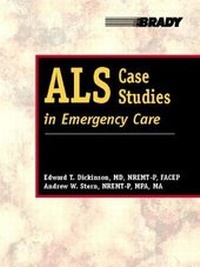
DICKINSON
ALS SCENARIOS _p1
Published on 15. January 2004
Book
Paperback/Softback
312 pages
978-0-13-094317-0 (ISBN)
Description
Written by leading practitioners in the medical field, these case studies offer in-depth explanations of scenarios encountered in the prehospital environment. A consistent format helps readers understand the discussions, questions, and the resolution for each case; allowing them to gain exposure to the many different situations that will arise on the job. KEY TOPICS: 51 cases are organized into 3 topic areas: Medical Emergencies, Trauma and Surgical Emergencies, and Special Situations. MARKET: An excellent reference and interesting reading for emergency medical technicians and paramedics.
More details
Persons
Edward T. Dickinson, MD, NREMT-P, FACEP, is currently Assistant Professor and Director dEMS Field Operations in the Department of Emergency Medicine of the University of Pennsylvania School of Medicine in Philadelphia. He is Medical Director of the Malvern Fire company, the Berwyn Fire Company, and the Township of Haverford paramedics in Pennsylvania. He is a residency-trained, board-certified emergency medicine physician who is a Fellow of the American College of Emergency Physicians.
Dr. Dickinson began his career in emergency services in 1979 as a firefighter-EMT in upstate New York. He has remained active in fire service and EMS for the past 25 years. He frequently rides with EMS units and has maintained his certification as a National Registry EMTPatamedic. He has served as medical editor for numerous Brady EMT-B and First Responder texts and is the author of Fire Service Emergency Care and coauthor of Emergency Care-Fire Service Edition and Emergency Incident Rehabilitation.
Andrew W. Stern, NREMT-P, MPA, MA has been working in EMS for over 25 years as a provider, educator, and administrator. He has authored over 25 articles, book chapters, and instructor manuals. He holds intrustor certifications in BCLS, ACLS, PALS (AHA), as well as for PHTLS and PEPP. Currently affiliated with the Town of Colonie Emergency Medical Services in New York State as a Senior Paramedic/Flightmedic, also serving as their CME coordinator. Mr. Stem's involvement in emergency services extends to membership in DMAT-2 (NY) and New York Rapid Response Team-1 (USAR). He is an associate of the Prehospital Care Research Forum and is a member of the National Association of EMS Educators.
Dr. Dickinson began his career in emergency services in 1979 as a firefighter-EMT in upstate New York. He has remained active in fire service and EMS for the past 25 years. He frequently rides with EMS units and has maintained his certification as a National Registry EMTPatamedic. He has served as medical editor for numerous Brady EMT-B and First Responder texts and is the author of Fire Service Emergency Care and coauthor of Emergency Care-Fire Service Edition and Emergency Incident Rehabilitation.
Andrew W. Stern, NREMT-P, MPA, MA has been working in EMS for over 25 years as a provider, educator, and administrator. He has authored over 25 articles, book chapters, and instructor manuals. He holds intrustor certifications in BCLS, ACLS, PALS (AHA), as well as for PHTLS and PEPP. Currently affiliated with the Town of Colonie Emergency Medical Services in New York State as a Senior Paramedic/Flightmedic, also serving as their CME coordinator. Mr. Stem's involvement in emergency services extends to membership in DMAT-2 (NY) and New York Rapid Response Team-1 (USAR). He is an associate of the Prehospital Care Research Forum and is a member of the National Association of EMS Educators.
Content
1. MEDICAL EMERGENCIES.
Case 1. Acute Chest Pain.
Case 2. Acute Myocardial Infarction.
Case 3. Acute Myocardial Infarction with Bradycardia.
Case 4. Acute Severe Asthma Exacerbation.
Case 5. Acute Stroke.
Case 6. Anaphylaxis.
Case 7. Cardiac Arrest.
Case 8. Catheter/PICC Lines.
Case 9. Cocaine-Related Chest Pain.
Case 10. Congestive Heart Failure.
Case 11. Dehydration.
Case 12. Diabetic AMS.
Case 13. Chronic Renal Failure.
Case 14. Difficult Intubation.
Case 15. Facilitated Intubation.
Case 16. Hypertensive Crisis.
Case 17. Hypothermia with Altered Mental Status.
Case 18. Meningitis.
Case 19. Overdose.
Case 20. Pain Management.
Case 21. Poisoning.
Case 22. Post CABG Surgery.
Case 23. Seizure.
Case 24. Sudden-Onset Tachycardia.
Case 25. Syncope.
2. TRAUMA AND SURGICAL EMERGENCIES.
Case 26. Amputation.
Case 27. Blunt Chest Trauma.
Case 28. Burns.
Case 29. Cervical Spine Injury.
Case 30. Head Injury.
Case 31. Blunt Multiple Trauma.
Case 32. Ruptured Abdominal Aortic Aneurysm.
Case 33. Shock in Penetrating Injury to the Chest.
Case 34. Stab Wound.
Case 35. Trauma Arrest.
3. SPECIAL SITUATIONS.
Case 36. Advance Directives.
Case 37. Attempted Suicide.
Case 38. Care Under Fire.
Case 39. Child Abuse.
Case 40. Domestic Violence.
Case 41. EMS and Air Medical Service Interaction.
Case 42. Exposure to Hazardous Material.
Case 43. Extrication.
Case 44. Near-Drowning.
Case 45. Needlestick Injuries.
Case 46. Preeclampsia/Eclampsia.
Case 47. Refusal of Care.
Case 48. Sexual Assault.
Case 49. Vaginal Bleeding.
Case 50. Violent Psychiatric Patient.
Case 51. Weapons of Mass Destruction.
Case 1. Acute Chest Pain.
Case 2. Acute Myocardial Infarction.
Case 3. Acute Myocardial Infarction with Bradycardia.
Case 4. Acute Severe Asthma Exacerbation.
Case 5. Acute Stroke.
Case 6. Anaphylaxis.
Case 7. Cardiac Arrest.
Case 8. Catheter/PICC Lines.
Case 9. Cocaine-Related Chest Pain.
Case 10. Congestive Heart Failure.
Case 11. Dehydration.
Case 12. Diabetic AMS.
Case 13. Chronic Renal Failure.
Case 14. Difficult Intubation.
Case 15. Facilitated Intubation.
Case 16. Hypertensive Crisis.
Case 17. Hypothermia with Altered Mental Status.
Case 18. Meningitis.
Case 19. Overdose.
Case 20. Pain Management.
Case 21. Poisoning.
Case 22. Post CABG Surgery.
Case 23. Seizure.
Case 24. Sudden-Onset Tachycardia.
Case 25. Syncope.
2. TRAUMA AND SURGICAL EMERGENCIES.
Case 26. Amputation.
Case 27. Blunt Chest Trauma.
Case 28. Burns.
Case 29. Cervical Spine Injury.
Case 30. Head Injury.
Case 31. Blunt Multiple Trauma.
Case 32. Ruptured Abdominal Aortic Aneurysm.
Case 33. Shock in Penetrating Injury to the Chest.
Case 34. Stab Wound.
Case 35. Trauma Arrest.
3. SPECIAL SITUATIONS.
Case 36. Advance Directives.
Case 37. Attempted Suicide.
Case 38. Care Under Fire.
Case 39. Child Abuse.
Case 40. Domestic Violence.
Case 41. EMS and Air Medical Service Interaction.
Case 42. Exposure to Hazardous Material.
Case 43. Extrication.
Case 44. Near-Drowning.
Case 45. Needlestick Injuries.
Case 46. Preeclampsia/Eclampsia.
Case 47. Refusal of Care.
Case 48. Sexual Assault.
Case 49. Vaginal Bleeding.
Case 50. Violent Psychiatric Patient.
Case 51. Weapons of Mass Destruction.