

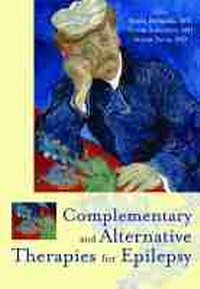
Complementary and Alternative Therapies for Epilepsy
Published on 1. May 2005
Book
Hardback
330 pages
978-1-888799-89-7 (ISBN)
Description
Epilepsy is a difficult illness to control; up to 35% of patients do not respond fully to traditional medical treatments. For this reason, many sufferers choose to rely on or incorporate complementary and alternative medicine (CAM) into their treatment regimens. Written for Physicians, knowledgeable laypersons and other professionals, Complementary and Alternative Therapies for Epilepsy bridges the worlds of traditional medicine and CAM to foster a broader perspective of healthcare for patients.
The book respects cultural differences that may incorporate alternative medicine into a medical management programme, and encourages patients to safely continue receiving necessary medical treatments. Wherever possible, scientific evidence supports the choice of treatment modalities, as well as the effectiveness of a combined traditional and CAM approach. Readers will find incisive discussions in sections on: - Learning to reduce seizures
- Asian, herbal and homeopathic therapies
- Nutritional therapies
- Alternative medical therapies
- Oxygen therapies
- Manipulation and osteopathic therapies
- Music, art and pet therapies
From stress and Epilepsy, to acupuncture, massage, craniosacral therapies, homeopathy, ketogenic diets, aromatherapy, hypnosis and more, the book is all-inclusive and enlightening. Additional commentary by the editors provides a critical vantage point from which to interpret the data and viewpoints of the contributors, all experts in the therapies presented. This balanced, scientific approach will appeal to even those most skeptical of alternative therapies, making the book essential for every professional who seeks to provide the broadest range of effective patient care.
The book respects cultural differences that may incorporate alternative medicine into a medical management programme, and encourages patients to safely continue receiving necessary medical treatments. Wherever possible, scientific evidence supports the choice of treatment modalities, as well as the effectiveness of a combined traditional and CAM approach. Readers will find incisive discussions in sections on: - Learning to reduce seizures
- Asian, herbal and homeopathic therapies
- Nutritional therapies
- Alternative medical therapies
- Oxygen therapies
- Manipulation and osteopathic therapies
- Music, art and pet therapies
From stress and Epilepsy, to acupuncture, massage, craniosacral therapies, homeopathy, ketogenic diets, aromatherapy, hypnosis and more, the book is all-inclusive and enlightening. Additional commentary by the editors provides a critical vantage point from which to interpret the data and viewpoints of the contributors, all experts in the therapies presented. This balanced, scientific approach will appeal to even those most skeptical of alternative therapies, making the book essential for every professional who seeks to provide the broadest range of effective patient care.
More details
Language
English
Place of publication
New York, NY
United States
Target group
Professional and scholarly
Weight
831 gr
ISBN-13
978-1-888799-89-7 (9781888799897)
Copyright in bibliographic data and cover images is held by Nielsen Book Services Limited or by the publishers or by their respective licensors: all rights reserved.
Schweitzer Classification
Persons
Dr. Orrin Devinsky is Professor of Neurology, Neurosurgery, and Psychiatry at NYU School of Medicine. He directs the NYU Comprehensive Epilepsy Center, the Staten Island University Hospital Comprehensive Epilepsy Center, and the Saint Barnabas Institute of Neurology and Neurosurgery (INN). Dr. Devinsky received his B.S. and M.S. from Yale University, M.D. from Harvard Medical School and interned at Bostons Beth Israel Hospital. He completed neurology training at the New York Hospital-Cornell Medical Center and his epilepsy fellowship at the NIH Dr. Steven C. Schachter is currently Director of Research for the Neurology Department and Vice Chair of the Committee for Clinical Investigations at Beth Israel Deaconess Medical Center in Boston, Massachusetts. He is a Professor of Neurology at Harvard Medical School and Associate Director of Clinical Research, Division for Research and Education in Complementary and Integrative Medical Therapies, Harvard Medical School, Boston, Massachusetts. He serves on the executive committee of the Harvard Medical School Scholars in Clinical Science Program and co-directs its Longitudinal Seminar. Dr. Steven V. Pacia is the Director of Neurology at Lenox Hill Hospital in Manhattan and is an Associate Professor in the Department of Neurology at NYU Schoolof Medicine, where he is also Director of the Clinical NeurophysiologyResidency Program. Dr. Pacia is the principal investigator for the NYU site of the first multicenter NIH-funded project to study epilepsy surgery. He has authored numerouspeer-reviewed articles on the diagnosis and treatment of epilepsy
Content
<B>Section I:</b> Complementary and Alternative Therapies: The Nature of the Evidence; Complementary and Alternative Therapies in Epilepsy: Relation to Western Medicine; The Relevance of Dual Blindness to Complementary and Alternative Complementary Therapies. <b>Section II:</b> Learning to Reduce Seizures; Stress and Epilepsy; Comprehensive Neurobehavioral Approach; Seizure Generation; Neurofeedback Therapy; Autogenic Training; Massage; Aromatherapy and Hypnosis; Meditation; Exercise and Yoga. Section III: Asian, Herbal and Homeopathic Therapies; Ayurveda: The Ancient Indian System of Medicine; Herbal Therapy; Herbal Treatment of Epilepsy (Phytotherapy); Homeopathy; Naturopathic Medicine; Traditional Chinese Medicine; Acupuncture. <b>Section IV:</b> Nutritional Approaches; Nutrition; The Use of Fatty Acids in the Diet for Seizure Management; The Ketogenic Diet. <b>Section V:</B> Alternative Medical Therapies; Hormonal Therapy; Transcranial Magnetic Stimulation. <b>Section VI: </b>Oxygen Therapies; Hyperbaric Oxygen Therapy; The Role of Carbon Dioxide in Enhancing Oxygen Delivery to the Brain. <b>Section VII:</b> Manipulation and Osteopathic Therapies; The Chiropractic Perspective on Alternative and Complementary Therapies; The Osteopathic Approach to Children with Seizure Disorders; Craniosacral Therapy. <b>Section VIII:</B> Music, Art and Pet Therapies; Music Therapy; Art Therapy; Pet Therapy