

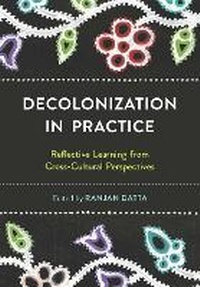
Decolonization in Practice
Reflective Learning from Cross-cultural Perspectives
Will be published approx. on 30. November 2023
Book
Paperback/Softback
296 pages
978-1-77338-380-4 (ISBN)
Description
Decolonization in Practice speaks to the practical work of dismantling colonial ideologies and features contributions from Indigenous, Black, racialized immigrant, refugee, and ally scholars, researchers, and practitioners who share their experiences enacting decolonizing work in their communities. Each chapter presents stories of inspiration, resistance, unlearning, relearning, and transformation on the journey towards reconciliation.This edited collection asks, "How do we understand anti-racist practice as a framework for reconciliation?" "How can we identify areas of obstacle and opportunity?" and "How can we take responsibility for decolonizing our ways of knowing and acting?" These questions are asked in response to the Truth and Reconciliation Commission's assertion that meaningful engagement among Indigenous Peoples and non-Indigenous people will be key in advancing reconciliation through anti-racist solidarity. Contributors share personal decolonial stories and explore taking responsibility for building a decolonial community from and within everyday practice for transforming our learning into action to achieve social and environmental justice goals.
This unique collection serves a variety of courses, including as a primary text for upper-level undergraduate and graduate courses in Canada focused on decolonization, as a supplementary text for introductory-level courses in Canada that are incorporating discussions of decolonization, and as a primary or supplementary text for international courses.
This unique collection serves a variety of courses, including as a primary text for upper-level undergraduate and graduate courses in Canada focused on decolonization, as a supplementary text for introductory-level courses in Canada that are incorporating discussions of decolonization, and as a primary or supplementary text for international courses.
Reviews / Votes
"Written in solidarity by Indigenous scholars, activists, settlers, and cross-cultural allies, Decolonization in Practice: Reflective Learning from Cross-Cultural Perspectives is a must-read collection that advances decolonizing strategies to resist the harrowing legacies of settler-state violence." - Jason Michelakos, Faculty of Education, York University"Decolonization in Practice brings an important lens to diverse discussions about decolonizing practices. Using a unique framework that incorporates perspectives from Indigenous, refugee, racialized, and settler communities, this book is an accessible guide to the complex issues surrounding decolonization in education, community building, and making sense of lived experiences." - Kris Clarke, Associate Professor, Faculty of Social Work, University of Helsinki
More details
Language
English
Place of publication
Toronto
Canada
Target group
College/higher education
Product notice
Paperback (trade)
Illustrations
1 image
Dimensions
Height: 248 mm
Width: 171 mm
Weight
272 gr
ISBN-13
978-1-77338-380-4 (9781773383804)
Copyright in bibliographic data and cover images is held by Nielsen Book Services Limited or by the publishers or by their respective licensors: all rights reserved.
Schweitzer Classification
Person
Ranjan Datta is a Canada Research Chair in Community Disaster Research and Assistant Professor and an assistant professor of Indigenous Studies in the Department of Humanities at Mount Royal University, Alberta, Canada.
Content
Author Biographies
Introduction
Part I: Indigenous Community Reflections on Decolonization in Practice
Chapter 1: Dance of a Transformative Shiibaashka'igan Pedagogy within the Academy
Chapter 2: Decolonizing University Pedagogical Approaches through Indigenous Storying
Chapter 3: First Nations Control of First Nations Education: Using Land as a Foundation for Scholastic Achievement while Reinforcing Cree Culture, Language, and Ways of Knowing
Chapter 4: The Pedagogy of Decolonization through a Paradigm Shift in Birth Work from an Indigenous Woman's Perspective
Chapter 5: An Indigenous Journey: From a Colonized Mindset to Decolonized Dreams
Chapter 6: Spiraling In to Spiral Out: Teaching in a Land-based, Mohawk Immersion School
Part II: Racialized Immigrant Women and Children Community Reflections on Decolonization in Practice
Chapter 7: Learning the Importance of Indigenous Meanings of Land Acknowledgment: A Racialized Colour Settler Woman's Decolonial Reflection
Chapter 8: Responsibility to Build a Decolonial Community: From a Colour Settler Woman's Perspective
Chapter 9: Decolonizing Digital Citizen Science: Driving Self-Governance via Data Sovereignty of Historically Colonized Populations
Chapter 10: Land-based Learning as Cross-cultural Youth Community Building: A Cross-cultural Children's Learning Journey
Part III: Colour Settler Refugee and Disabled Women Community Reflections on Decolonization in Practice
Chapter 11: Learning the Importance of Building a Decolonial Community: From and within a Colour Settler Former Refugee Woman's Reflections
Chapter 12: Decolonial Lived Experiences in Bangladesh and Canada: Navigating Race and Disabilities
Part IV: Black and Asian Immigrant Community Reflections on Decolonization in Practice
Chapter 13: Decolonizing Meanings of Climate Risks: A Learning Experience from and within Sub-Saharan African Immigrant Communities' Perspectives in Western Canada
Chapter 14: Aligning Anti-Racism Efforts with Decolonization: Reflections from Organizing in Vancouver's Chinatown
Part V: Anti-racist Organization Reflections on Decolonization in Practice
Chapter 15: Responsibility to Build Decolonial Community(ies): A Learning Journey through Anti-Racism Education and Action with the Multicultural Community in Saskatchewan
What Is Next? (Moving Forward)
Index
Introduction
Part I: Indigenous Community Reflections on Decolonization in Practice
Chapter 1: Dance of a Transformative Shiibaashka'igan Pedagogy within the Academy
Chapter 2: Decolonizing University Pedagogical Approaches through Indigenous Storying
Chapter 3: First Nations Control of First Nations Education: Using Land as a Foundation for Scholastic Achievement while Reinforcing Cree Culture, Language, and Ways of Knowing
Chapter 4: The Pedagogy of Decolonization through a Paradigm Shift in Birth Work from an Indigenous Woman's Perspective
Chapter 5: An Indigenous Journey: From a Colonized Mindset to Decolonized Dreams
Chapter 6: Spiraling In to Spiral Out: Teaching in a Land-based, Mohawk Immersion School
Part II: Racialized Immigrant Women and Children Community Reflections on Decolonization in Practice
Chapter 7: Learning the Importance of Indigenous Meanings of Land Acknowledgment: A Racialized Colour Settler Woman's Decolonial Reflection
Chapter 8: Responsibility to Build a Decolonial Community: From a Colour Settler Woman's Perspective
Chapter 9: Decolonizing Digital Citizen Science: Driving Self-Governance via Data Sovereignty of Historically Colonized Populations
Chapter 10: Land-based Learning as Cross-cultural Youth Community Building: A Cross-cultural Children's Learning Journey
Part III: Colour Settler Refugee and Disabled Women Community Reflections on Decolonization in Practice
Chapter 11: Learning the Importance of Building a Decolonial Community: From and within a Colour Settler Former Refugee Woman's Reflections
Chapter 12: Decolonial Lived Experiences in Bangladesh and Canada: Navigating Race and Disabilities
Part IV: Black and Asian Immigrant Community Reflections on Decolonization in Practice
Chapter 13: Decolonizing Meanings of Climate Risks: A Learning Experience from and within Sub-Saharan African Immigrant Communities' Perspectives in Western Canada
Chapter 14: Aligning Anti-Racism Efforts with Decolonization: Reflections from Organizing in Vancouver's Chinatown
Part V: Anti-racist Organization Reflections on Decolonization in Practice
Chapter 15: Responsibility to Build Decolonial Community(ies): A Learning Journey through Anti-Racism Education and Action with the Multicultural Community in Saskatchewan
What Is Next? (Moving Forward)
Index