

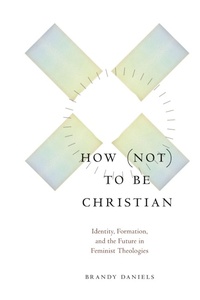
How not to Be Christian
Identity, Formation, and the Future in Feminist Theologies
Will be published approx. on 3. November 2026
Book
Paperback/Softback
320 pages
978-1-5315-1496-9 (ISBN)
Description
Draws on queer theories of temporality and subjectivity to challenge the telos of a singular Christian identity within feminist theological accounts of formation.
How Not to be Christian theologically and theoretically explores ethical and political questions around identity and intersectionality. How do we think about our identities theologically? How do we think about how the different aspects of our identities relate to each other theologically? And, how do we think about religious identity in relation to other social identities? In particular, this project explores formation-how we become selves with identities. It examines how theologians have turned to formation in the pursuit of a generous orthodoxy, exploring how a diverse range of theologians and ethicists shaped by postliberalism have looked to Christian identity as an ethical resource in the pursuit of inclusion and justice with regards to other social identities-what this project refers to as forms of intrasubjective difference. Focusing particularly on prominent feminist and queer theologies (looking to the work of Elizabeth Stuart, Sarah Coakley, and Serene Jones), this book critically examines how they presume and posit a singular, stable vision of religious identity as the telos to which gender and sexual identities must bend. It argues that the gender and sexual difference they aim to make space for is effaced by and subsumed into Christian identity. Engaging with poststructuralist thought (especially the work of Michel Foucault) and queer theories around performativity (Judith Butler) and temporality (Lee Edelman and Jose Esteban Munoz), as well as theological reflections on method, anthropology, and sin, this book considers both the limits and costs of the teleological thrust underlying these accounts of formation. From there, it explores the possibilities of unformation, and (de)constructively considers what it might mean to pursue unformation in both theological method and ethics-in how we do theology and in how we live
How Not to be Christian theologically and theoretically explores ethical and political questions around identity and intersectionality. How do we think about our identities theologically? How do we think about how the different aspects of our identities relate to each other theologically? And, how do we think about religious identity in relation to other social identities? In particular, this project explores formation-how we become selves with identities. It examines how theologians have turned to formation in the pursuit of a generous orthodoxy, exploring how a diverse range of theologians and ethicists shaped by postliberalism have looked to Christian identity as an ethical resource in the pursuit of inclusion and justice with regards to other social identities-what this project refers to as forms of intrasubjective difference. Focusing particularly on prominent feminist and queer theologies (looking to the work of Elizabeth Stuart, Sarah Coakley, and Serene Jones), this book critically examines how they presume and posit a singular, stable vision of religious identity as the telos to which gender and sexual identities must bend. It argues that the gender and sexual difference they aim to make space for is effaced by and subsumed into Christian identity. Engaging with poststructuralist thought (especially the work of Michel Foucault) and queer theories around performativity (Judith Butler) and temporality (Lee Edelman and Jose Esteban Munoz), as well as theological reflections on method, anthropology, and sin, this book considers both the limits and costs of the teleological thrust underlying these accounts of formation. From there, it explores the possibilities of unformation, and (de)constructively considers what it might mean to pursue unformation in both theological method and ethics-in how we do theology and in how we live
More details
Language
English
Place of publication
New York
United States
Target group
Professional and scholarly
Product notice
Paperback (trade)
Dimensions
Height: 229 mm
Width: 152 mm
ISBN-13
978-1-5315-1496-9 (9781531514969)
Copyright in bibliographic data and cover images is held by Nielsen Book Services Limited or by the publishers or by their respective licensors: all rights reserved.
Schweitzer Classification
Person
Brandy Daniels is Associate Professor of Theology and Religious Studies and Co-Director of Gender, Women, and Sexuality Studies at the University of Portland. Standing at the intersections of constructive and political theologies, social ethics, and feminist and queer theories, her scholarship explores the place of difference within communal identity and belonging, focusing particularly on gender and sexual difference in Christian thought and practice. She is an ordained minister with the Disciples of Christ (Christian Church).