

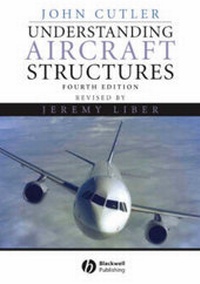
Understanding Aircraft Structures
4th Edition
Published on 4. January 2006
Book
Paperback/Softback
224 pages
978-1-4051-2032-6 (ISBN)
Description
This book explains aircraft structures so as to provide a basic understanding of the subject and the terminology used, as well as illustrating some of the problems.
It provides a brief historical background, and covers parts of the aeroplane, loads, structural form, materials, processes, detail design, quality control, stressing, and the documentation associated with modification and repairs.
The Fourth Edition takes account of new materials and the new European regulatory system.
It provides a brief historical background, and covers parts of the aeroplane, loads, structural form, materials, processes, detail design, quality control, stressing, and the documentation associated with modification and repairs.
The Fourth Edition takes account of new materials and the new European regulatory system.
Reviews / Votes
'one of the most useful reference books that a budding designer or airline engineer could have available [it has] an aura of practical experience about it' - Aerospace'contains a wealth of examples of good practice in the design and repair of metal aircraft. It also provides a good basic understanding of materials' - Journal of the General Aviation Safety Council
More details
Edition
4th edition
Language
English
Place of publication
Hoboken
United Kingdom
Publishing group
John Wiley and Sons Ltd
Target group
Professional and scholarly
Dimensions
Height: 244 mm
Width: 174 mm
Thickness: 12 mm
Weight
481 gr
ISBN-13
978-1-4051-2032-6 (9781405120326)
Copyright in bibliographic data and cover images is held by Nielsen Book Services Limited or by the publishers or by their respective licensors: all rights reserved.
Schweitzer Classification
Persons
John Cutler is a consulting engineer, a Fellow of the Royal Aeronautical Society and a Chartered Engineer.
Jeremy Liber, who has been responsible for revising the Fourth Edition, has worked in the fixed and rotary wing aircraft industry for a number of years as a stressman, structural test engineer and design engineer. He has degrees in both engineering and business plus a pilot's licence. He is a Member of the Royal Aeronautical Society and is currently Technical Director at Britten-Norman Aircraft Ltd.
Jeremy Liber, who has been responsible for revising the Fourth Edition, has worked in the fixed and rotary wing aircraft industry for a number of years as a stressman, structural test engineer and design engineer. He has degrees in both engineering and business plus a pilot's licence. He is a Member of the Royal Aeronautical Society and is currently Technical Director at Britten-Norman Aircraft Ltd.
Content
Preface. Chapter 1 Introduction;.
Chapter 2 History; 2.1 Outline; 2.2 Wire-braced structures; 2.3 Semi-monocoque structures; 2.4 Sandwich structures; 2.5 Review of the key points.
Chapter 3 Parts of the Aircraft; 3.1 Terms connected with flight; 3.2 Terms connected with control; 3.3 Terms connected with high-lift devices; 3.4 Terms associated with the shape and dimensions of the aircraft; 3.5 Review of the key points.
Chapter 4 Loads on the Aircraft; 4.1 General flight forces; 4.2 Acceleration loads 4.3 Further aerodynamic loads; 4.4 Other loads; 4.5 Further load factors; 4.6 Loads acting on the whole aircraft; 4.7 Review of the key points; 4.8 References.
Chapter 5 The form of structures; 5.1 Structure relative to aircraft design; 5.2 Historic form of structure; 5.3 General form of structure; 5.4 The basic load systems in structures; 5.5 The forms of stress in materials; 5.6 Bending and torsion; 5.7 Compression; 5.8 The whole structure; 5.9 Review of the key points; 5.10 References.
Chapter 6 Materials; 6.1 Choice of materials; 6.2 Material properties; 6.3 Smart structures (and materials); 6.4 Cost as a property of a material; 6.5 Heat treatment; 6.6 Reference numbers for materials; 6.7 Review of the key points; 6.8 References.
Chapter 7 Processes; 7.1 Introduction; 7.2 Manufacturing;7.3 Jointing; 7.4 Review of the key points; 7.5 References.
Chapter 8 Corrosion and protective treatments; 8.1 Nature of corrosion; 8.2 Causes of corrosion; 8.3 Protection against corrosion; 8.4 Review of the key points; 8.5 References.
Chapter 9 Detail design; 9.1 Sheet-metal components; 9.2 Machined components and large forgings; 9.3 Notching and stress raisers; 9.4 Rivets and bolts; 9.5 Joggling; 9.6 Clips or cleats; 9.7 Stringer/frame intersections; 9.8 Lugs; 9.9 The 'stiff path'; 9.10 Review of the key points.
Chapter 10 Composite materials in aircraft structures; 10.1 What are composites?; 10.2 The strength of composite materials; 10.3 Types of structures; 10.4 Joining composites; 10.5 Fibres; 10.6 Resins; 10.7 Working safely with composites; 10.8 Review of the key points.
Chapter 11 Quality and airworthiness; 11.1 Quality assurance; 11.2 Control; 11.3 Procedures and systems; 11.4 Further notes on quality control functions; 11.5 Airworthiness engineering; 11.6 Maintenance schedule; 11.7 References; 11.8 Review of the key points.
Chapter 12 Stressing; 12.1 Introduction; 12.2 The stressman's work; 12.3 Stressing methods; 12.4 Stress reports; 12.5 Review of the key points; 12.6 References.
Chapter 13 Presentation of modifications and repairs; 13.1 Definitions; 13.2 The essential paperwork associated with modifications; 13.3 Review of the key points; 13.4 Conclusion; 13.5 References.
Appendices
Chapter 2 History; 2.1 Outline; 2.2 Wire-braced structures; 2.3 Semi-monocoque structures; 2.4 Sandwich structures; 2.5 Review of the key points.
Chapter 3 Parts of the Aircraft; 3.1 Terms connected with flight; 3.2 Terms connected with control; 3.3 Terms connected with high-lift devices; 3.4 Terms associated with the shape and dimensions of the aircraft; 3.5 Review of the key points.
Chapter 4 Loads on the Aircraft; 4.1 General flight forces; 4.2 Acceleration loads 4.3 Further aerodynamic loads; 4.4 Other loads; 4.5 Further load factors; 4.6 Loads acting on the whole aircraft; 4.7 Review of the key points; 4.8 References.
Chapter 5 The form of structures; 5.1 Structure relative to aircraft design; 5.2 Historic form of structure; 5.3 General form of structure; 5.4 The basic load systems in structures; 5.5 The forms of stress in materials; 5.6 Bending and torsion; 5.7 Compression; 5.8 The whole structure; 5.9 Review of the key points; 5.10 References.
Chapter 6 Materials; 6.1 Choice of materials; 6.2 Material properties; 6.3 Smart structures (and materials); 6.4 Cost as a property of a material; 6.5 Heat treatment; 6.6 Reference numbers for materials; 6.7 Review of the key points; 6.8 References.
Chapter 7 Processes; 7.1 Introduction; 7.2 Manufacturing;7.3 Jointing; 7.4 Review of the key points; 7.5 References.
Chapter 8 Corrosion and protective treatments; 8.1 Nature of corrosion; 8.2 Causes of corrosion; 8.3 Protection against corrosion; 8.4 Review of the key points; 8.5 References.
Chapter 9 Detail design; 9.1 Sheet-metal components; 9.2 Machined components and large forgings; 9.3 Notching and stress raisers; 9.4 Rivets and bolts; 9.5 Joggling; 9.6 Clips or cleats; 9.7 Stringer/frame intersections; 9.8 Lugs; 9.9 The 'stiff path'; 9.10 Review of the key points.
Chapter 10 Composite materials in aircraft structures; 10.1 What are composites?; 10.2 The strength of composite materials; 10.3 Types of structures; 10.4 Joining composites; 10.5 Fibres; 10.6 Resins; 10.7 Working safely with composites; 10.8 Review of the key points.
Chapter 11 Quality and airworthiness; 11.1 Quality assurance; 11.2 Control; 11.3 Procedures and systems; 11.4 Further notes on quality control functions; 11.5 Airworthiness engineering; 11.6 Maintenance schedule; 11.7 References; 11.8 Review of the key points.
Chapter 12 Stressing; 12.1 Introduction; 12.2 The stressman's work; 12.3 Stressing methods; 12.4 Stress reports; 12.5 Review of the key points; 12.6 References.
Chapter 13 Presentation of modifications and repairs; 13.1 Definitions; 13.2 The essential paperwork associated with modifications; 13.3 Review of the key points; 13.4 Conclusion; 13.5 References.
Appendices