

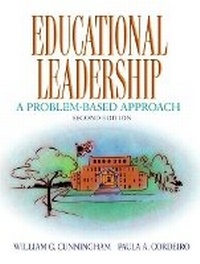
Educational Leadership
A Problem-Based Approach
2nd Edition
Published on 28. August 2002
Book
Hardback
412 pages
978-0-205-34793-3 (ISBN)
Description
A succinct and compelling text, Educational Leadership: A Problem-Based Approach offers the latest coverage of key leadership topics including critical thinking, ethics, best practices, and field-situated opportunities presented in an applied format.
Thoroughly revised and updated, this text shares with readers the very latest thinking in the field and relates it to significant real-life problems of practice. Reflecting on current changes and thinking in educational administration, this text includes updated expert analysis pieces by noted authorities in every chapter. This text uses a problem-based approach and provides readers with opportunities to analyze and apply their knowledge to authentic situations.
This text includes multiple perspectives that challenge readers to synthesize the material into an effective administrative platform and to make productive choices arriving at problem solutions. Educational Administration presents the major aspects of administration and the complex set of problems and performance assessment challenges that administrators face every day. It emphasizes a number of important challenges such as the increasing diversity in our schools and society and the impact of reforms and technology on learning environments.
Thoroughly revised and updated, this text shares with readers the very latest thinking in the field and relates it to significant real-life problems of practice. Reflecting on current changes and thinking in educational administration, this text includes updated expert analysis pieces by noted authorities in every chapter. This text uses a problem-based approach and provides readers with opportunities to analyze and apply their knowledge to authentic situations.
This text includes multiple perspectives that challenge readers to synthesize the material into an effective administrative platform and to make productive choices arriving at problem solutions. Educational Administration presents the major aspects of administration and the complex set of problems and performance assessment challenges that administrators face every day. It emphasizes a number of important challenges such as the increasing diversity in our schools and society and the impact of reforms and technology on learning environments.
More details
Edition
2nd edition
Language
English
Place of publication
United States
Publishing group
Pearson Education (US)
Target group
Professional and scholarly
Dimensions
Width: 242 mm
Thickness: 25 mm
Weight
765 gr
ISBN-13
978-0-205-34793-3 (9780205347933)
Copyright in bibliographic data and cover images is held by Nielsen Book Services Limited or by the publishers or by their respective licensors: all rights reserved.
Schweitzer Classification
Other editions
New editions
Book
07/2005
3rd Edition
Pearson
€95.51
Article exhausted; check for reprint
Previous edition

Book
08/1999
Pearson
€63.32
Article exhausted; check for reprint
Content
Every chapter concludes with "Conclusion," "Portfolio Artifacts," "Terms," and "Suggested Readings."Preface.
1. Administrative Theory and Leadership Responsibility.
Administrative Process and Knowledge.
Administrative Platforms.
The Knowledge Based of Educational Administration.
2. Context and Perspective for Educational Leaders.
The Federal and State Role.
Broad, Complex Context.
Educational Origins.
Establishing National Goals.
The 1990s and Beyond.
Responding to New Educational Needs.
State Roles and Responses.
Challenges in the Twenty-First Century.
3. School Reform.
Reform Models and the Twenty-First Century.
An Assessment of School Reform.
The Needed Reforms.
Harnessing Technology.
The Leadership Challenge.
4. Cultural Diversity and Community Relations.
Diversity in Schools.
A Word About the Language We Use.
Racial Categories: What's in a Name?
Prejudice and Discrimination.
Discrimination in Schools.
Competing Perspectives: Theories, Models, and Approaches to Race, Class, and Gender.
Segregation, Desegregation, and Integration.
Fostering School, Family, and Community Partnerships.
Connecting Schools and Community Organizations.
5. School District Organizational Structure and Leadership
The Local Role.
The Local School Division.
The School Board.
The School Division Superintendent.
Central Office Operations.
The School Administrator.
Conclusion.
Portfolio Artifacts.
Terms.
Suggested Readings.
Appendix 5. A: The Joint AASA-NSBA Superintendent Guidelines.
6. Successful School Leadership.
Assessing Leadership Characteristics.
Paradigms of Leadership: A Growing Knowledge Base.
Leadership Instrument Analyses.
Recent Theories of Leadership.
The Reflective Practitioner.
Leadership Traits or Skills.
Conclusion.
Portfolio Artifacts.
Terms.
Suggested Readings.
Appendix 6. A: Directions for Scoring Box 6.1 The X-Y Scale.
Appendix 6. B: Directions for Scoring Box 6.4 Leadership Behavior Survey.
Appendix 6. C: Directions for Scoring Box 6.5 Measuring Preferred Management Styles.
Appendix 6. D: Twenty-One Combined Domains of Effective School Leadership.
7. Moral and Ethical Dimensions of Leadership.
The Purposes of Leadership.
Creating Community.
Ethics-Based Leadership.
Foundations of Ethical Behavior: Standards for Good Practice.
Being an Ethical Leader: Approaches to Skill Development.
Building an Educational Platform.
8. Program Development, Delivery, and Assessment.
Conceptions of Academic Achievement.
Teaching and Learning Approaches.
Curriculum Design and Educational Programming.
Curricular and Instructional Change.
Program Improvement and Evaluation.
Utilizing Time.
Assessing Student Progress.
9. Pupil Personnel Services.
Taking Care of the Students.
Pupil Personnel-Student Service Team.
Counseling, Guidance, Psychological Services.
Special Education and Remedial Instruction.
School Health Services.
Child Accounting and School Safety.
Pupil Appraisal, Testing, and Diagnostics.
Extracurricular Activities.
Integrating Services for Children and Families.
10. Human Resource Management.
Taking Care of the Staff.
Job Analysis, Classification, and Staff Planning.
Recruitment.
Selection.
Alternative Selection Approaches.
Performance Appraisal and Evaluation.
Staff Development.
Organizational Development.
Wage and Salary Considerations.
Collective Bargaining.
Employee Records and Reports.
Employee Litigation.
11. Schools and the Law.
Legal Responsibility.
The U.S. Legal System.
Legal Issues and Schools.
Monitoring Compliance with Policies and Procedures.
Court Cases.
12. Resource Allocation and Management.
Financing Schools.
Federal Involvement in Financing Schools.
State Involvement in Financing Schools.
Local Involvement in Financing Schools.
Vouchers.
Nontraditional Revenue Sources.
Revenue Sources for Independent Schools.
Grant Writing.
Budgeting, Accounting, and Facility Management.
Types of Budgeting.
Activity Funds.
Fiscal Accounting.
The Audit.
Managing School Supplies and Equipment.
Maintaining School Buildings and Grounds.
School Safety.
13. Problem-Based Learning Projects.
Problem-Based Learning.
Facilitating Groups.
References and Bibliography.
Name Index.
Subject Index.
1. Administrative Theory and Leadership Responsibility.
Administrative Process and Knowledge.
Administrative Platforms.
The Knowledge Based of Educational Administration.
2. Context and Perspective for Educational Leaders.
The Federal and State Role.
Broad, Complex Context.
Educational Origins.
Establishing National Goals.
The 1990s and Beyond.
Responding to New Educational Needs.
State Roles and Responses.
Challenges in the Twenty-First Century.
3. School Reform.
Reform Models and the Twenty-First Century.
An Assessment of School Reform.
The Needed Reforms.
Harnessing Technology.
The Leadership Challenge.
4. Cultural Diversity and Community Relations.
Diversity in Schools.
A Word About the Language We Use.
Racial Categories: What's in a Name?
Prejudice and Discrimination.
Discrimination in Schools.
Competing Perspectives: Theories, Models, and Approaches to Race, Class, and Gender.
Segregation, Desegregation, and Integration.
Fostering School, Family, and Community Partnerships.
Connecting Schools and Community Organizations.
5. School District Organizational Structure and Leadership
The Local Role.
The Local School Division.
The School Board.
The School Division Superintendent.
Central Office Operations.
The School Administrator.
Conclusion.
Portfolio Artifacts.
Terms.
Suggested Readings.
Appendix 5. A: The Joint AASA-NSBA Superintendent Guidelines.
6. Successful School Leadership.
Assessing Leadership Characteristics.
Paradigms of Leadership: A Growing Knowledge Base.
Leadership Instrument Analyses.
Recent Theories of Leadership.
The Reflective Practitioner.
Leadership Traits or Skills.
Conclusion.
Portfolio Artifacts.
Terms.
Suggested Readings.
Appendix 6. A: Directions for Scoring Box 6.1 The X-Y Scale.
Appendix 6. B: Directions for Scoring Box 6.4 Leadership Behavior Survey.
Appendix 6. C: Directions for Scoring Box 6.5 Measuring Preferred Management Styles.
Appendix 6. D: Twenty-One Combined Domains of Effective School Leadership.
7. Moral and Ethical Dimensions of Leadership.
The Purposes of Leadership.
Creating Community.
Ethics-Based Leadership.
Foundations of Ethical Behavior: Standards for Good Practice.
Being an Ethical Leader: Approaches to Skill Development.
Building an Educational Platform.
8. Program Development, Delivery, and Assessment.
Conceptions of Academic Achievement.
Teaching and Learning Approaches.
Curriculum Design and Educational Programming.
Curricular and Instructional Change.
Program Improvement and Evaluation.
Utilizing Time.
Assessing Student Progress.
9. Pupil Personnel Services.
Taking Care of the Students.
Pupil Personnel-Student Service Team.
Counseling, Guidance, Psychological Services.
Special Education and Remedial Instruction.
School Health Services.
Child Accounting and School Safety.
Pupil Appraisal, Testing, and Diagnostics.
Extracurricular Activities.
Integrating Services for Children and Families.
10. Human Resource Management.
Taking Care of the Staff.
Job Analysis, Classification, and Staff Planning.
Recruitment.
Selection.
Alternative Selection Approaches.
Performance Appraisal and Evaluation.
Staff Development.
Organizational Development.
Wage and Salary Considerations.
Collective Bargaining.
Employee Records and Reports.
Employee Litigation.
11. Schools and the Law.
Legal Responsibility.
The U.S. Legal System.
Legal Issues and Schools.
Monitoring Compliance with Policies and Procedures.
Court Cases.
12. Resource Allocation and Management.
Financing Schools.
Federal Involvement in Financing Schools.
State Involvement in Financing Schools.
Local Involvement in Financing Schools.
Vouchers.
Nontraditional Revenue Sources.
Revenue Sources for Independent Schools.
Grant Writing.
Budgeting, Accounting, and Facility Management.
Types of Budgeting.
Activity Funds.
Fiscal Accounting.
The Audit.
Managing School Supplies and Equipment.
Maintaining School Buildings and Grounds.
School Safety.
13. Problem-Based Learning Projects.
Problem-Based Learning.
Facilitating Groups.
References and Bibliography.
Name Index.
Subject Index.