

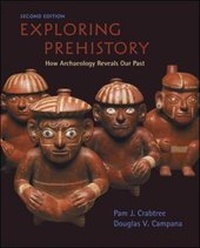
Exploring Prehistory: How Archaeology Reveals Our Past
2nd Edition
Published on 16. July 2005
Book
Paperback/Softback
512 pages
978-0-07-297814-8 (ISBN)
Description
This new introduction to archaeology integrates world prehistory with discussion of archeological methods and techniques. It introduces archaeological methods gradually and in context through the use of Archaeology in Practice boxes which give students a more complete understanding of the tools archaeologists use to uncover the past and the reasons why they use those tools. Comprehensive Case Studies focus not just on specific sites but also on why these sites are important in the broader archaeological context. Exploring Prehistory has been developed with the aim of offering a better way to introduce students to archaeology's unique understanding of human societies.
More details
Edition
2nd edition
Language
English
Place of publication
United States
Publishing group
McGraw-Hill Education - Europe
Target group
College/higher education
Illustrations
Illustrations (some col.), maps (some col.)
Dimensions
Height: 252 mm
Width: 203 mm
Thickness: 20 mm
Weight
955 gr
ISBN-13
978-0-07-297814-8 (9780072978148)
Copyright in bibliographic data and cover images is held by Nielsen Book Services Limited or by the publishers or by their respective licensors: all rights reserved.
Schweitzer Classification
Persons
Pam J. Crabtree, who received her Ph.D. in anthropology from the University of Pennsylvania in 1982, is an Associate Professor of Anthropology at New York University, where she has worked since 1990. Professor Crabtree was an Assistant Professor of Anthropology at Princeton University from 1985 to 1990 and a research fellow at the Museum Applied Science Center for Archaeology of the University of Pennsylvania from 1982 to 1984. She has written many scholarly articles on zoo archaeology and animal domestication, co-edited Animal Use and Culture Change (with Kathleen Ryan), and edited Medieval Archaeology: An Encyclopedia.
Douglas V. Campana is a Research Associate in Anthropology at New York University and an archaeologist for the National Park Service at the Valley Forge Center for Cultural Resources. He received his Ph.D. in Anthropology from Columbia University in 1981. Dr. Campana has published scholarly articles on Near Eastern prehistory and bone tool technology, and edited Before Farming: Hunter-Gatherer Society and Subsistence. He has conducted archeological research in Israel, the West Bank, and Europe; his research has been sponsored by the National Science Foundation, the Wenner-Gren Foundation, the Leakey Foundation, and the National Geographic Society. As an archaeologist for the federal government, Dr. Campana has directed archaeological excavation throughout the Mid-Atlantic states. He is currently excavating a portion of George Washingtons Revolutionary War encampment at Valley Forge.
Douglas V. Campana is a Research Associate in Anthropology at New York University and an archaeologist for the National Park Service at the Valley Forge Center for Cultural Resources. He received his Ph.D. in Anthropology from Columbia University in 1981. Dr. Campana has published scholarly articles on Near Eastern prehistory and bone tool technology, and edited Before Farming: Hunter-Gatherer Society and Subsistence. He has conducted archeological research in Israel, the West Bank, and Europe; his research has been sponsored by the National Science Foundation, the Wenner-Gren Foundation, the Leakey Foundation, and the National Geographic Society. As an archaeologist for the federal government, Dr. Campana has directed archaeological excavation throughout the Mid-Atlantic states. He is currently excavating a portion of George Washingtons Revolutionary War encampment at Valley Forge.
Content
Chapter 1: Investigating the PastThe Discovery of the IcemanCutting Edge Box: Differing Attitudes Toward the DeadThe Issues and Problems of PrehistoryThe Historical Growth of Archaeology in EuropeThe New GeologyHuman AntiquityThe Beginnings of Archaeology in the AmericasThe Field of Archaeology TodayGoals of Archaeological InterpretationReconstructing Culture History: Archaeology as History Without Writing The Investigation of Prehistoric LifewaysArchaeology as the Study of Culture ChangeArchaeology as a ScienceContemporary Approaches to Archaeological InterpretationThe Archaeological RecordSites Understanding How the Archaeological Record Was FormedArchaeology in Practice: Stratigraphy and Stratigraphic Analysis: How Do Archaeologists Reconstruct the Sequence of Events at an Archaeological SitePreserving the PastConclusionChapter 2: Our Earliest Human Ancestors: The Australopiths and the Earliest HumansHumans as Primates and HomininsAustralopithecus and the South African DiscoveriesThe Leakeys and Olduvai GorgeAustralopithecus afarensis: Lucy and the First FamilyThe Laetoli FootprintsEarliest AncestorsThe Branching Tree of Hominin EvolutionThe Earliest Members of Our Genus, HomoArchaeology in Practice: Dating the Earliest HomininsCase Study: The South African Australopiths: Did They Hunt or Were They Hunted?ConclusionChapter 3: The Earliest Archaeological Sites: The First Stone ToolsThe Beginnings of the Archaeological Record The Earliest Forms of Stone ToolsThe Nature of the Early Archaeological SitesArchaeology in Practice: the Basics of Working StoneHow Were the Olduvai and Koobi Fora Sites Formed?Who Created the Sites? The Roles of Carnivores and HomininsCut Marks on Bone: Butchery at Olduvai and Koobi Fora Explaining the Sites: Alternative Hypotheses Successful ScavengersCase Study: The Interpretation of Early Hominin Behavior: The DK ControversyConclusionChapter 4: Homo erectus the Lower Paleolithic in Africa and the Near EastThe Appearance of Homo ergaster/Homo erectus in Africa Nariokatome: The Turkana BoyThe Acheulian Industry Archaeology in Practice: Experimental Archaeology: How Were Stone Tools Made and Used?The Control of FireWhen and Why Did Hominins Expand Out of AfricaThe Later Acheulian in the Near East: Gesher Benot Ya'aqovConclusionChapter 5: The Lower Paleolithic in Asia and EuropeThe Appearance of Homo erectus in AsiaSone Industries with and without Handaxes: The Movius Line, Beyond the Movius Line: The Lower Paleolithic of East Asia, Dragon Bones, Zhoukoudian, and the Discovery of Peking Man The Initial Settlement of EuropeThe Earliest Inhabitants of Europe: The Grand Dolina Site, SpainThe Later Lower Paleolithic in Europe Cutting Edge Box: The Human Family "Bush"The Levallois TechniqueAcheulian Lifeways: Elephant Hunters or Scavengers? The Evidence from Torralba and Ambrona Terra Amata: A Hunter's Encampment?Archaeology in Practice: Dating the Past: Thermoluminescence (TL) and Electron Spin Resonance (ESR) The Distribution of Early Humans in EuropeConclusionChapter 6: The Middle Paleolithic and the Appearance of the NeanderthalsHumans unlike Ourselves: The Discovery of the NeanderthalsArchaeology in Practice: The Pleistocene and Its ChronologyMiddle Paleolithic Archaeology: The Mousterian IndustryThe Bordes Typology of Middle Paleolithic Stone ToolsExplaining the Variability in Mousterian Assemblages: Tribes, Activities, and Tool ManufactureThe Culture of the Middle PaleolithicCast Study: The Excavations in Kebara Cave, IsraelThe Issue of Neanderthal BurialsThe Middle Paleolithic-Middle Stone Age in Africa ConclusionCh. 7: The Origins of Modern HumansArchaeology in Practice: Biochemical Evidence of Heredity and the Molecular ClockThe Biochemical EvidenceFossil Evidence: The Appearance of Modern Humans in AfricaCase Study: Skuhl, Qafzeh and Kebara: Anatomically Modern Humans and Neanderthals in the LevantCutting-Edge Box: The Origin of Modern Human BehaviorFrom Africa to EuropeSaint Cesaire and the Last NeanderthalsConclusionChapter 8: Late Paleolithic Cultures of the Near East and AfricaCutting Edge Box: Ancient and Modern Hunters and GatherersThe Upper Paleolithic in the Near EastArchaeology in Practice: Animal Remains as Archaeological Evidence The Late Stone Age in AfricaConclusionChapter 9: The Industries and Cultures of the Upper Paleolithic in EuropeArchaeology in Practice: Radiocarbon Age DeterminationUpper Paleolithic Industries: General CharacteristicsThe Upper Paleolithic Sequence in EuropeSubsistence Strategies in the European Upper PaleolithicCase Study: Paleolithic Subsistence: La Riera CaveUpper Paleolithic Settlement PatternsNorthern Europe at the End of the Ice AgeLate Pleistocene Hunters and Fishers in Northern EuropeConclusionsChapter 10: Art and Cognition in the Upper PaleolithicThe Art of the Upper PaleolithicHistorical Background: The Discovery of the Painted Caves Parietal Art: The Images on the WallsMobiliary (Portable) ArtArchaeology in Practice: Tools and Art Objects of Bone and AntlerDating and ChronologyInterpretation of Paleolithic ArtRock Art from Other Regions of the WorldConclusionChapter 11: The Initial Human Colonization of AustraliaFrom Eurasia to AustraliaGreater Australia: The Environmental BackgroundArchaeology in Practice: Changing Sea Levels: Eustacy and IsostacyThe Archaeological Evidence for the Initial Colonization of the SahulCast Study: Lake MungoLater Australian Prehistory: A Continent of Hunter-gatherers Cutting Edge Box: The Tasmanian Paradox: Why Did the Tasmanians Stop Fishing?ConclusionsChapter 12: The Peopling of the New WorldThe Peopling of the AmericasGeological BackgroundArchaeology in Practice: Causes of Climatic ChangeThe Early Archaeological Record from AlaskaClimatic Changes: Late Glacial North AmericaClovis Hunters in North AmericaLate Pleistocene ExtinctionsThe Pleistocene Overkill HypothesisAlternative Explanations for Late Pleistocene Megafaunal ExtinctionsCase Study: The Murray Springs Clovis SiteClovis Settlement and Subsistence in the Eastern United StatesPre-Clovis Occupation of the Americas: The Evidence from Monte VerdeConclusionChapter 13: The Mesolithic Period in EuropeClimatic Changes in Europe in the Early Postglacial PeriodArchaeology in Practice: Pollen AnalysisMesolithic Societies in EuropeMesolithic Stone TechnologyMesolithic Settlement PatternsAn Example of a Mesolithic Settlement: Mount Sandel in Northern IrelandCase Study: Star Carr: Interpreting Mesolithic SeasonalityPopulation Growth and Economic Transformations in the Later MesolithicA Late Mesolithic Site: Tybrind Vig in DenmarkSocial Changes in the Later Mesolithic: The Appearance of Cultural ComplexityConclusionChapter 14: Post-Pleistocene Adaptations in the Americas: The Development of the ArchaicPost-glacial changes in North AmericaThe American Great BasinArchaeology in Practice: The Recalibration of Radiocarbon DatingCast Studies in Great Basin Subsistence: Danger Cave and Hogup CaveRecent Research on Great Basin AdaptationsEastern North America: The Paleoindian BackgroundEarly Archaic Subsistence in the Eastern Woodlands Middle Holocene Changes in Subsistence and SettlementCase Study: The Excavations at the Koster Site in Illinois and the Emergence of Complex Hunter-Gatherers Late Archaic Settlement and Subsistence in the Eastern WoodlandsConclusionsChapter 15: The Origins of Agriculture: A Crucial StepSuccessful ForagersChanging Relationships Between Humans and the Environment: Climatic Change and Population GrowthThe Differences Between Farming and Foraging SocietiesTheories of Agricultural Origins: The Pioneering Work of V. Gordon ChildeA Modern View of Post-Pleistocene Climatic Changes in Southwest AsiaArchaeology in Practice: How Do We Reconstruct the Near Eastern Climate at the Close of the Pleistocene?Where Did Near Eastern Agriculture Originate? Robert Braidwood's "Hilly Flanks" HypothesisDemographic Changes and Agricultural OriginsCurrent Approaches ConclusionChapter 16: Last Foragers and First Farmers: The Origins of Agriculture in the Old WorldAgriculture: The First RevolutionLate Pleistocene Hunter-Gatherers in Southwest AsiaCast Study: Karim Shahir and the Background to Agriculture in the ZagrosArchaeology in Practice: Archaeological Evidence for Plant DomesticationArchaeological Evidence for Early Plant Domestication in the Near EastThe Archaeology of Animal DomesticationArchaeology in Practice: What is a Domestic Animal?Other Centers of Plant and Animal Domestication in the Old WorldConclusionsChapter 17: Agricultural Origins in the New WorldNew World Plants in Old World DietsThe Domestication of MaizeEarly Studies of Plant Domestication: the Tehuacan Valley ProjectGuila NaquitzPlant Domestication in Highland South AmericaArchaeology in Practice: Phytolith AnalysisAnimal Domestication in the AmericasOther Centers of Plant Domestication in the AmericasAgricultural Hearths: Similarities and Differences ConclusionsChapter 18: The Consequences of the Agricultural RevolutionIntroductionSedentism and Population GrowthCase Study: "Ain Ghazal, JordanIncreased Disease Load and Early Farming CommunitiesPopulation Growth and the
Expansion of Agricultural SettlementsEarly Farming Villages in TurkeyEarly Farmers in Greece and Southeast EuropeEarly Farmers in Temperate EuropeOn the Cutting Edge: Identifying Migration in Neolithic Europe: The Role of Stable Isotope StudiesThe Development of New Technologies and CraftsArchaeology in Practice: The Development of Pottery TechnologyTrade and Exchange in Early Farming CommunitiesCase Study: Catal Hoeyuek and the Study of Neolithic Ritual LifeConclusionChapter 19: The Development of Cities and States: Mesopotamia and the Urban RevolutionComplex SocietiesThe Origin of Complex Society: The Contribution of V. Gordon ChildeThe Characteristics of Urban SocietiesContemporary Theoretical Approaches to the Study of Complex Societies The Evolution of Complex Societies in Mesopotamia The Settling of the Mesopotamian Lowlands The Ubaid PeriodThe Emergence of CitiesArchaeology in Practice: Remote Sensing and Landscape Reconstruction in Archaeology The Beginning of HistoryCase Study: The Royal Cemetery at UrWhat Led to the Rise of Early State SocietiesOn the Cutting Edge: Archaeology and War in IraqConclusionsChapter 20: Complex Societies in the Indus ValleyIntroduction: the Discovery of the HarappansThe Geography and Ecology of the Indus Valley RegionThe Beginnings of Farming in the Indis RegionThe Early Indus PeriodThe Emergence of Complex Societies in the Indus ValleyArchaeology in Practice: Deciphering the Indus Valley ScriptCase Study: Indus Valley Urbanism: Mohenjo-daro and HarappaThe Post-Urban Phase and the Harappan EclipseThe Legacy of the Harappan CivilizationConclusionChapter 21: The Rise of Complex Societies in Egypt and Sub-Saharan AfricaThe Egypt of Ancient HistoryAncient Egypt: The Gift of the NileThe Egyptian EnvironmentThe Earliest EgyptiansEarly Settlements in the DeltaSettlements and Cemeteries in Upper EgyptArchaeology in Practice: Sequence Dating and Archaeological SeriationEgyptian Kingdoms and the Unification of EgyptThe Rise of the PharaohsOn the Cutting Edge: Human Sacrifice in Egypt The Formation of the Egyptian StateNubia, Egypt's Neighbor to the SouthComplex Societies in Pre-colonial Sub-Saharan AfricaConclusionChapter 22:Early Cities and States in ChinaIntroduction: The Discovery of the Royal Tomb Warriors at XianThe Yellow River (Huang He) ValleyThe Neolithic in the Yellow River ValleyThe Late Neolithic Longshan CultureThe Early Bronze Age in North China: The Erlitou PeriodThe Shang Dynasty: The Appearance of Cities and States in Bronze Age ChinaCase Study: Excavations at AnyangTheories to Explain the Rise of Complex Societies in ChinaArchaeology in Practice: Remote Sensing Closer to Earth: Non-Destructive ArchaeologyConclusions: Social Complexity in ChinaChapter 23: Later Prehistoric Europe: A Different Pattern of Cultural ComplexityIntroductionChanges in Settlement and Subsistence in the Later Neolithic of Temperate EuropeThe Beginnings of Metallurgy in EuropeArchaeology in Practice: Analysis of Metal ArtifactsThe Beginnings of the Bronze Age in Temperate EuropeEurope's First Towns: Late Hallstatt Towns and TradeThe Oppida and the Origins of Urbanism in Temperate EuropeCast Study: Manching and KelheomConclusionChapter 24: Complex Societies in MesoamericaIntroductionOlmec BeginningsEarly Urbanism in OaxacaTeotihuacan and the Valley of MexicoThe Beginnings of the Classic Maya The Classic MayaArchaeology in Practice: Archaeology and History: The Evidence from the Maya Inscriptions TikalThe Collapse of the Classic MayaThe Postclassic Period and the Rise of the Aztec EmpireThe Archaeology of Aztec Daily LifeThe End of the Aztec EmpireConclusionChapter 25: Cities, States, and Empires in the AndesIntroductionEnvironmental BackgroundHerding, Farming, and Fishing: The Economic Background to the Emergence of Complex Societies in PeruInitial PeriodThe Early Horizon and the Chavin CultThe Early Intermediate PeriodThe Nasca of the Southern CoastArchaeology in Practice: The Preservation of Organic MaterialsThe Mochica State on the North CoastThe Middle HorizonThe Late Intermediate PeriodThe Late HorizonConclusionsChapter 26: Eastern North America: An Alternative Pattern of Cultural ComplexityIntroductionThe Early Woodland Period and the Beginning of Cultural Complexity in the MidwestComplex Societies in the Middle Woodland Period: The Hopewell Interaction SphereArchaeology in Practice: The Analysis of Human BurialsThe Late Woodland Period and the Adoption of Maize AgricultureThe Emergence of Mississippian SocietiesMississippian Settlement and Social OrganizationCase Study: Cahokia and MoundvilleMississippian CollapseConclusionsChapter 27: The Future of ArchaeologyIntroductionThe Destruction of Archaeological SitesThe Native American Graves Protection and Repatriation ActOn the Cutting Edge: The Kennewick ControversyArchaeology and NationalismSome Final Thoughts on the Future of Archaeology
Expansion of Agricultural SettlementsEarly Farming Villages in TurkeyEarly Farmers in Greece and Southeast EuropeEarly Farmers in Temperate EuropeOn the Cutting Edge: Identifying Migration in Neolithic Europe: The Role of Stable Isotope StudiesThe Development of New Technologies and CraftsArchaeology in Practice: The Development of Pottery TechnologyTrade and Exchange in Early Farming CommunitiesCase Study: Catal Hoeyuek and the Study of Neolithic Ritual LifeConclusionChapter 19: The Development of Cities and States: Mesopotamia and the Urban RevolutionComplex SocietiesThe Origin of Complex Society: The Contribution of V. Gordon ChildeThe Characteristics of Urban SocietiesContemporary Theoretical Approaches to the Study of Complex Societies The Evolution of Complex Societies in Mesopotamia The Settling of the Mesopotamian Lowlands The Ubaid PeriodThe Emergence of CitiesArchaeology in Practice: Remote Sensing and Landscape Reconstruction in Archaeology The Beginning of HistoryCase Study: The Royal Cemetery at UrWhat Led to the Rise of Early State SocietiesOn the Cutting Edge: Archaeology and War in IraqConclusionsChapter 20: Complex Societies in the Indus ValleyIntroduction: the Discovery of the HarappansThe Geography and Ecology of the Indus Valley RegionThe Beginnings of Farming in the Indis RegionThe Early Indus PeriodThe Emergence of Complex Societies in the Indus ValleyArchaeology in Practice: Deciphering the Indus Valley ScriptCase Study: Indus Valley Urbanism: Mohenjo-daro and HarappaThe Post-Urban Phase and the Harappan EclipseThe Legacy of the Harappan CivilizationConclusionChapter 21: The Rise of Complex Societies in Egypt and Sub-Saharan AfricaThe Egypt of Ancient HistoryAncient Egypt: The Gift of the NileThe Egyptian EnvironmentThe Earliest EgyptiansEarly Settlements in the DeltaSettlements and Cemeteries in Upper EgyptArchaeology in Practice: Sequence Dating and Archaeological SeriationEgyptian Kingdoms and the Unification of EgyptThe Rise of the PharaohsOn the Cutting Edge: Human Sacrifice in Egypt The Formation of the Egyptian StateNubia, Egypt's Neighbor to the SouthComplex Societies in Pre-colonial Sub-Saharan AfricaConclusionChapter 22:Early Cities and States in ChinaIntroduction: The Discovery of the Royal Tomb Warriors at XianThe Yellow River (Huang He) ValleyThe Neolithic in the Yellow River ValleyThe Late Neolithic Longshan CultureThe Early Bronze Age in North China: The Erlitou PeriodThe Shang Dynasty: The Appearance of Cities and States in Bronze Age ChinaCase Study: Excavations at AnyangTheories to Explain the Rise of Complex Societies in ChinaArchaeology in Practice: Remote Sensing Closer to Earth: Non-Destructive ArchaeologyConclusions: Social Complexity in ChinaChapter 23: Later Prehistoric Europe: A Different Pattern of Cultural ComplexityIntroductionChanges in Settlement and Subsistence in the Later Neolithic of Temperate EuropeThe Beginnings of Metallurgy in EuropeArchaeology in Practice: Analysis of Metal ArtifactsThe Beginnings of the Bronze Age in Temperate EuropeEurope's First Towns: Late Hallstatt Towns and TradeThe Oppida and the Origins of Urbanism in Temperate EuropeCast Study: Manching and KelheomConclusionChapter 24: Complex Societies in MesoamericaIntroductionOlmec BeginningsEarly Urbanism in OaxacaTeotihuacan and the Valley of MexicoThe Beginnings of the Classic Maya The Classic MayaArchaeology in Practice: Archaeology and History: The Evidence from the Maya Inscriptions TikalThe Collapse of the Classic MayaThe Postclassic Period and the Rise of the Aztec EmpireThe Archaeology of Aztec Daily LifeThe End of the Aztec EmpireConclusionChapter 25: Cities, States, and Empires in the AndesIntroductionEnvironmental BackgroundHerding, Farming, and Fishing: The Economic Background to the Emergence of Complex Societies in PeruInitial PeriodThe Early Horizon and the Chavin CultThe Early Intermediate PeriodThe Nasca of the Southern CoastArchaeology in Practice: The Preservation of Organic MaterialsThe Mochica State on the North CoastThe Middle HorizonThe Late Intermediate PeriodThe Late HorizonConclusionsChapter 26: Eastern North America: An Alternative Pattern of Cultural ComplexityIntroductionThe Early Woodland Period and the Beginning of Cultural Complexity in the MidwestComplex Societies in the Middle Woodland Period: The Hopewell Interaction SphereArchaeology in Practice: The Analysis of Human BurialsThe Late Woodland Period and the Adoption of Maize AgricultureThe Emergence of Mississippian SocietiesMississippian Settlement and Social OrganizationCase Study: Cahokia and MoundvilleMississippian CollapseConclusionsChapter 27: The Future of ArchaeologyIntroductionThe Destruction of Archaeological SitesThe Native American Graves Protection and Repatriation ActOn the Cutting Edge: The Kennewick ControversyArchaeology and NationalismSome Final Thoughts on the Future of Archaeology