

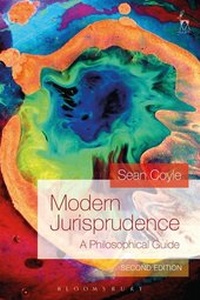
Modern Jurisprudence
A Philosophical Guide
2nd Edition
Published on 24. August 2017
Book
Paperback/Softback
288 pages
978-1-5099-0561-4 (ISBN)
Description
The second edition of this book provides a concise and accessible guide to modern jurisprudence, offering an examination of the major theories as well as highlighting principal themes such as legality and justice. Together with new material, the second edition explores the historical developments and ideas that give modern thinking its distinctive shape. A key feature of the book is that readers are not simply presented with opposing theories, but are guided through the rival standpoints on the basis of a coherent line of reflection from which an overall sense of the subject can be gained. Chapters on Hart, Fuller, Rawls, Dworkin and Finnis take the reader systematically through the terrain of modern legal philosophy, tracing the issues back to fundamental questions of philosophy, and indicating lines of criticism that result in a fresh and original perspective on the subject.
More details
Edition
2nd edition
Language
English
Place of publication
Oxford
United Kingdom
Publishing group
Bloomsbury Publishing PLC
Target group
College/higher education
Product notice
Hardback (stationery)
Dimensions
Height: 234 mm
Width: 156 mm
Weight
439 gr
ISBN-13
978-1-5099-0561-4 (9781509905614)
Copyright in bibliographic data and cover images is held by Nielsen Book Services Limited or by the publishers or by their respective licensors: all rights reserved.
Schweitzer Classification
Other editions
New editions
Book
06/2022
3rd Edition
Hart Publishing
€41.00
Shipment within 15-20 days
Person
Sean Coyle is Professor of Jurisprudence at the University of Birmingham.
Content
1. Justice, Law and History
Morality
History
Law
Situating Jurisprudence
PART ONE: FOUNDATIONS
2. Origins of the Western Jurisprudential Tradition
A Basic Division
Aristotelian Political Thought
The Abandonment of Aristotle
Suggested Reading
3. Jurisprudence: The Classical Tradition
Positive Law
Natural Law
The Relationship Between Natural Law and Positive Law
Justice and Determination
Human Knowledge of Natural Law
Suggested Reading
4. The Emergence of 'Modern' Political Thought
Hobbes's View of the Human Condition
Law and Society
The Political Context of Leviathan
A Divided Inheritance
Suggested Reading
5. Images of Law from Grotius to Kant
Grotius as a Natural Lawyer
A New Framework
Suggested Reading
PART TWO: DEBATES
6. Positive Law, Positive Justice: Hart
The Basic Dimensions of Hart's Positivism
The Nature of Law
Law and Morality
Natural Law
Justice and Equality
Suggested Reading
7. Justice in the 'Real World': Dworkin
The Philosopher-Judge
Could the Law be an Expression of Something Other than 'Integrity'?
Objectivity, Truth and Scepticism
Philosopher-Kings and Philosopher-Judges
Suggested Reading
8. Justice and the Liberal State: Rawls
Rational Reflection and Questions of Method
The Problem of Justice
The First Principle of Justice
The Second Principle
The Basic Structure in Context
Suggested Reading
9. Justice and the Common Good: Finnis
Introducing the Political Philosophy
The Basic Goods
The Status of Practical Reasonableness
Order, Community and Justice
Justice and Rights
The Overall Direction of Finnis's Account
Suggested Reading
10. Justice and Legality: Fuller
Legality and Justice
Justice and the Institutional Reality of Law
Eunomics: The Theory of Good Order
The Direction of Fuller's Thought
Suggested Reading
11. Justice and Legal Order: Further Reflections
Natural Right and Natural Law
The Origin of the Law's Authority
Legal Order and Positive Law
Summing Up
Suggested Reading
12. Conclusions?
Morality
History
Law
Situating Jurisprudence
PART ONE: FOUNDATIONS
2. Origins of the Western Jurisprudential Tradition
A Basic Division
Aristotelian Political Thought
The Abandonment of Aristotle
Suggested Reading
3. Jurisprudence: The Classical Tradition
Positive Law
Natural Law
The Relationship Between Natural Law and Positive Law
Justice and Determination
Human Knowledge of Natural Law
Suggested Reading
4. The Emergence of 'Modern' Political Thought
Hobbes's View of the Human Condition
Law and Society
The Political Context of Leviathan
A Divided Inheritance
Suggested Reading
5. Images of Law from Grotius to Kant
Grotius as a Natural Lawyer
A New Framework
Suggested Reading
PART TWO: DEBATES
6. Positive Law, Positive Justice: Hart
The Basic Dimensions of Hart's Positivism
The Nature of Law
Law and Morality
Natural Law
Justice and Equality
Suggested Reading
7. Justice in the 'Real World': Dworkin
The Philosopher-Judge
Could the Law be an Expression of Something Other than 'Integrity'?
Objectivity, Truth and Scepticism
Philosopher-Kings and Philosopher-Judges
Suggested Reading
8. Justice and the Liberal State: Rawls
Rational Reflection and Questions of Method
The Problem of Justice
The First Principle of Justice
The Second Principle
The Basic Structure in Context
Suggested Reading
9. Justice and the Common Good: Finnis
Introducing the Political Philosophy
The Basic Goods
The Status of Practical Reasonableness
Order, Community and Justice
Justice and Rights
The Overall Direction of Finnis's Account
Suggested Reading
10. Justice and Legality: Fuller
Legality and Justice
Justice and the Institutional Reality of Law
Eunomics: The Theory of Good Order
The Direction of Fuller's Thought
Suggested Reading
11. Justice and Legal Order: Further Reflections
Natural Right and Natural Law
The Origin of the Law's Authority
Legal Order and Positive Law
Summing Up
Suggested Reading
12. Conclusions?