


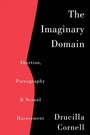
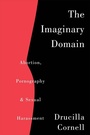
The Imaginary Domain
Abortion, Pornography and Sexual Harrassment
1st Edition
Published on 14. July 1995
Book
Paperback/Softback
304 pages
978-0-415-91160-3 (ISBN)
Description
This book addresses the legal and political programme needed for the recognition of sexual difference. Cornell shows that by affirming feminine sexual difference we should rethink the traditional conception of a public/private divide. This book fundamentally alters the terrain of feminist legal and political philosophy, and does so in a prose style that is lucid and accessible. Cornell defends a feminist view of legal equality that synchronizes the distinct values of freedom and equality in the emotionally fraught sphere of life we call sex. Feminist legal theory has been plagued by the seemingly irreconcilable tension between these two values, particularly when it comes to issues like pornography and sexual harassment where they have been explicitly pitted against one another.
More details
Language
English
Place of publication
London
United Kingdom
Publishing group
Taylor & Francis Ltd
Target group
College/higher education
Dimensions
Height: 229 mm
Width: 152 mm
Thickness: 17 mm
Weight
446 gr
ISBN-13
978-0-415-91160-3 (9780415911603)
Copyright in bibliographic data and cover images is held by Nielsen Book Services Limited or by the publishers or by their respective licensors: all rights reserved.
Schweitzer Classification
Other editions
Additional editions
E-Book
01/2016
Routledge
€65.99
Available for download
E-Book
01/2016
Routledge
€65.99
Available for download

Drucilla Cornell | Benjamin N. Cardozo
The Imaginary Domain
Abortion, Pornography and Sexual Harrassment
Book
approx. 09/1995
Routledge
€81.90
Not yet published
Person
Drucilla Cornell
Content
Chapter 1 Introduction: Living Together: Psychic Space and the Demand for Sexual Equality; Chapter 2 Abortion: Dismembered Selves and Wandering Wombs; Chapter 3 Pornography: Pornography's Temptation; Chapter 4 Sexual Harassment: Sexual Freedom and the Unleashing of Women's Desire; Conclusion: Why Law?;