


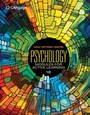
Psychology
Modules for Active Learning
14th Edition
Will be published approx. on 1. January 2017
Book
Hardback
832 pages
978-1-305-96411-2 (ISBN)
Description
PSYCHOLOGY: MODULES FOR ACTIVE LEARNING combines the highly effective SQ4R (Survey, Question, Read, Recite, Reflect, Review) active learning system, an engaging style, appealing visuals, and detailed coverage of core topics and cutting-edge research in one remarkable text. Fully updated, the fourteenth edition of this best-selling text includes new content that takes you beyond learning psychology as a set of facts to learning psychology skills that make a difference in your everyday life and future career. For instance, active learning modules teach you about information literacy, behaving ethically, giving memorable presentations, leadership, managing your behavior, coping with stress, optimism, and many other topics that you can apply right away. The text is also available with MindTap, a digital learning experience featuring an e-book, videos, flashcards, and cool apps -- including one that reads the text out loud.
More details
Edition
14th edition
Language
English
Place of publication
Belmont, CA
United States
Publishing group
Cengage Learning, Inc
Target group
College/higher education
Dimensions
Height: 33 mm
Width: 231 mm
Thickness: 279 mm
Weight
1810 gr
ISBN-13
978-1-305-96411-2 (9781305964112)
Copyright in bibliographic data and cover images is held by Nielsen Book Services Limited or by the publishers or by their respective licensors: all rights reserved.
Schweitzer Classification
Other editions
New editions
Book
03/2021
15th Edition
Wadsworth Publishing Co Inc
€233.50
Shipment within 15-20 days
Persons
Dennis Coon is a publishing phenomenon and one of the best-selling authors in the field of psychology. His innovative instructional methods and student-focused style make his works perennial favorites among instructors and students alike. To date, more than two million students have learned psychology with a Coon text as their guide. Coon graduated with a B.A. in psychology from the University of California, Riverside, and earned his Ph.D. in social psychology from the University of Arizona. Dennis Coon is a publishing phenomenon and one of the best-selling authors in the field of psychology. His innovative instructional methods and student-focused style make his works perennial favorites among instructors and students alike. To date, more than two million students have learned psychology with a Coon text as their guide. Coon graduated with a B.A. in psychology from the University of California, Riverside, and earned his Ph.D. in social psychology from the University of Arizona. John O. Mitterer holds a Ph.D. in cognitive psychology from McMaster University. Now an Emeritus Professor, he taught psychology at Brock University to more than 30,000 psychology students. Mitterer was the recipient of the 2003 Brock University Distinguished Teaching Award, a 2003 Ontario Confederation of University Faculty Associations (OCUFA) Teaching Award, a 2004 3M Teaching Fellowship, the 2005 Canadian Psychological Association Award for Distinguished Contributions to Education and Training in Psychology, and the 2010 Brock University Don Ursino Award for Excellence in the Teaching of Large Classes. He also held a three-year Brock Chancellor's Chair for Teaching Excellence. Tanya Martini obtained her Ph.D. in developmental psychology from the University of Toronto and is a professor in the psychology department at Brock University in St. Catharines, Ontario. She has been awarded the Brock University Distinguished Teaching Award and the Chancellor's Chair for Teaching Excellence. In addition to introductory psychology, she has also taught research methods and two courses designed to facilitate students' understanding of career-related skills. Dr. Martini's research explores skill-based learning outcomes in post-secondary education, and her most recent work has investigated students' views concerning skill-based learning across their degree program. She has a particular interest in students' ability to articulate the competencies that underlie skills such as critical thinking and collaboration, and their ability to recognize how university assignments foster transferable skills that are of interest to employers. Her research in this area was recognized by an appointment to the advisory board of the Future Skills Centre in partnership with the Conference Board of Canada.
Content
1. The Psychology of Reflective Studying.
2. Introducing Psychology: Psychology, Critical Thinking, and Science.
3. Introducing Psychology: Psychology Then and Now.
4. Introducing Psychology: The Psychology Experiment.
5. Introducing Psychology: Nonexperimental Research Methods.
6. Introducing Psychology Skills in Action: Information Literacy.
7. Brain and Behavior: The Nervous System.
8. Brain and Behavior: Brain Research.
9. Brain and Behavior: Hemispheres and Lobes of the Cerebral Cortex.
10. Brain and Behavior: The Subcortex and Endocrine System.
11. Brain and Behavior Skills in Action: Self Regulation.
12. Human Development: Heredity and Environment.
13. Human Development: Emotional and Social Development in Childhood.
14. Human Development: Language and Cognitive Development in Childhood.
15. Human Development: Adolescence and Adulthood.
16. Human Development Skills in Action: Behaving Ethically.
17. Sensation and Perception: Sensory Processes.
18. Sensation and Perception: Vision.
19. Sensation and Perception: The Other Senses.
20. Sensation and Perception: Perceptual Processes.
21. Sensation and Perception: Perception and Objectivity.
22. Sensation and Perception Skills in Action: Communication.
23. Consciousness: States of Consciousness.
24. Consciousness: Sleep and Dreams.
25. Consciousness: Psychoactive Drugs.
26. Consciousness Skills in Action: Metacognition.
27. Conditioning and Learning: Associative and Cognitive Learning.
28. Conditioning and Learning: Classical Conditioning.
29. Conditioning and Learning: Operant Conditioning.
30. Conditioning and Learning: Reinforcement and Punishment in Detail.
31. Conditioning and Learning Skills in Action: Behavioral Self-Management.
32. Memory: Memory Systems.
33. Memory: Measuring Memory.
34. Memory: Forgetting.
35. Memory: Exceptional Memory.
36. Memory Skills in Action: Giving Memorable Presentations.
37. Cognition and Intelligence: Modes of Thought.
38. Cognition and Intelligence: Problem Solving.
39. Cognition and Intelligence: Creative Thinking and Intuition.
40. Cognition and Intelligence: Intelligence.
41. Cognition and Intelligence Skills in Action: Creativity and Innovation.
42. Motivation and Emotion: Overview of Motives and Emotions.
43. Motivation and Emotion: Motivation in Detail.
44. Motivation and Emotion: Emotion in Detail.
45. Motivation and Emotion Skills in Action: Positivity and Optimism.
46. Human Sexuality: Sexual Development and Orientation.
47. Human Sexuality: Gender Development, Androgyny, and Gender Variance.
48. Human Sexuality: Sexual Behavior, Response, and Attitudes.
49. Human Sexuality Skills in Action: Diversity and Inclusion.
50. Personality: Overview of Personality.
51. Personality: Trait Theories.
52. Personality: Psychoanalytic and Humanistic Theories.
53. Personality: Behavioral and Social Learning Theories.
54. Personality Skills in Action: Leadership.
55. Health Psychology: Overview of Health Psychology.
56. Health Psychology: Stressors.
57. Health Psychology: Coping with Stress.
58. Health Psychology: Stress and Health.
59. Health Psychology Skills in Action: Stress Management.
60. Psychological Disorders: Normality and Psychopathology.
61. Psychological Disorders: Psychosis, Delusional Disorders, and Schizophrenia.
62. Psychological Disorders: Mood Disorders.
63. Psychological Disorders: Anxiety, Anxiety-Related, and Personality Disorders.
64. Psychological Disorders Skills in Action: Facing Mental Health Issues.
65. Therapies: Treating Psychological Distress.
66. Therapies: Psychodynamic, Humanistic, and Cognitive Therapies.
67. Therapies: Behavior Therapies.
68. Therapies: Medical Therapies.
69. Therapies in Action: Emotional Intelligence.
70. Social Psychology: Social Behavior and Cognition.
71. Social Psychology: Social Influence.
72. Social Psychology: Prosocial Behavior.
73. Social Psychology: Antisocial Behavior.
74. Social Psychology Skills in Action: Social Responsibility.
75. Applied Psychology: Industrial/Organizationa
2. Introducing Psychology: Psychology, Critical Thinking, and Science.
3. Introducing Psychology: Psychology Then and Now.
4. Introducing Psychology: The Psychology Experiment.
5. Introducing Psychology: Nonexperimental Research Methods.
6. Introducing Psychology Skills in Action: Information Literacy.
7. Brain and Behavior: The Nervous System.
8. Brain and Behavior: Brain Research.
9. Brain and Behavior: Hemispheres and Lobes of the Cerebral Cortex.
10. Brain and Behavior: The Subcortex and Endocrine System.
11. Brain and Behavior Skills in Action: Self Regulation.
12. Human Development: Heredity and Environment.
13. Human Development: Emotional and Social Development in Childhood.
14. Human Development: Language and Cognitive Development in Childhood.
15. Human Development: Adolescence and Adulthood.
16. Human Development Skills in Action: Behaving Ethically.
17. Sensation and Perception: Sensory Processes.
18. Sensation and Perception: Vision.
19. Sensation and Perception: The Other Senses.
20. Sensation and Perception: Perceptual Processes.
21. Sensation and Perception: Perception and Objectivity.
22. Sensation and Perception Skills in Action: Communication.
23. Consciousness: States of Consciousness.
24. Consciousness: Sleep and Dreams.
25. Consciousness: Psychoactive Drugs.
26. Consciousness Skills in Action: Metacognition.
27. Conditioning and Learning: Associative and Cognitive Learning.
28. Conditioning and Learning: Classical Conditioning.
29. Conditioning and Learning: Operant Conditioning.
30. Conditioning and Learning: Reinforcement and Punishment in Detail.
31. Conditioning and Learning Skills in Action: Behavioral Self-Management.
32. Memory: Memory Systems.
33. Memory: Measuring Memory.
34. Memory: Forgetting.
35. Memory: Exceptional Memory.
36. Memory Skills in Action: Giving Memorable Presentations.
37. Cognition and Intelligence: Modes of Thought.
38. Cognition and Intelligence: Problem Solving.
39. Cognition and Intelligence: Creative Thinking and Intuition.
40. Cognition and Intelligence: Intelligence.
41. Cognition and Intelligence Skills in Action: Creativity and Innovation.
42. Motivation and Emotion: Overview of Motives and Emotions.
43. Motivation and Emotion: Motivation in Detail.
44. Motivation and Emotion: Emotion in Detail.
45. Motivation and Emotion Skills in Action: Positivity and Optimism.
46. Human Sexuality: Sexual Development and Orientation.
47. Human Sexuality: Gender Development, Androgyny, and Gender Variance.
48. Human Sexuality: Sexual Behavior, Response, and Attitudes.
49. Human Sexuality Skills in Action: Diversity and Inclusion.
50. Personality: Overview of Personality.
51. Personality: Trait Theories.
52. Personality: Psychoanalytic and Humanistic Theories.
53. Personality: Behavioral and Social Learning Theories.
54. Personality Skills in Action: Leadership.
55. Health Psychology: Overview of Health Psychology.
56. Health Psychology: Stressors.
57. Health Psychology: Coping with Stress.
58. Health Psychology: Stress and Health.
59. Health Psychology Skills in Action: Stress Management.
60. Psychological Disorders: Normality and Psychopathology.
61. Psychological Disorders: Psychosis, Delusional Disorders, and Schizophrenia.
62. Psychological Disorders: Mood Disorders.
63. Psychological Disorders: Anxiety, Anxiety-Related, and Personality Disorders.
64. Psychological Disorders Skills in Action: Facing Mental Health Issues.
65. Therapies: Treating Psychological Distress.
66. Therapies: Psychodynamic, Humanistic, and Cognitive Therapies.
67. Therapies: Behavior Therapies.
68. Therapies: Medical Therapies.
69. Therapies in Action: Emotional Intelligence.
70. Social Psychology: Social Behavior and Cognition.
71. Social Psychology: Social Influence.
72. Social Psychology: Prosocial Behavior.
73. Social Psychology: Antisocial Behavior.
74. Social Psychology Skills in Action: Social Responsibility.
75. Applied Psychology: Industrial/Organizationa