


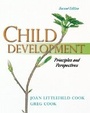
Child Development
Principles and Perspectives (with Study Card)
Published on 28. January 2007
Book
Paperback/Softback
688 pages
978-0-205-46079-3 (ISBN)
Description
This topically organized book uses a student-friendly writing style, intuitive design, and an active learning system to help students critically explore the many perspectives on child development.
Child Development: Principles and Perspectives encourages students to take an active role in their learning and to think about children's development from a variety of perspectives. Through interviews, cases, and vignettes, students gain a broad understanding of the viewpoints of people who work with, live with, and care for children, bringing this dynamic field to life! From the start of each chapter, students actively engage in reading, questioning, and connecting information to their everyday lives and the lives of others. The text's features uniquely work together as an integrated system to optimize student learning and memory. Child Development is accompanied by MyDevelopmentLab, and exciting new learning and teaching tool designed to increase student success in the classroom, and provide instructors with every resource needed to teach and administer their course. The text and MyDevelopmentLab is a complete recipe for student success!
Child Development: Principles and Perspectives encourages students to take an active role in their learning and to think about children's development from a variety of perspectives. Through interviews, cases, and vignettes, students gain a broad understanding of the viewpoints of people who work with, live with, and care for children, bringing this dynamic field to life! From the start of each chapter, students actively engage in reading, questioning, and connecting information to their everyday lives and the lives of others. The text's features uniquely work together as an integrated system to optimize student learning and memory. Child Development is accompanied by MyDevelopmentLab, and exciting new learning and teaching tool designed to increase student success in the classroom, and provide instructors with every resource needed to teach and administer their course. The text and MyDevelopmentLab is a complete recipe for student success!
More details
Language
English
Place of publication
United States
Publishing group
Pearson Education (US)
Target group
Professional and scholarly
Dimensions
Height: 276 mm
Width: 216 mm
ISBN-13
978-0-205-46079-3 (9780205460793)
Copyright in bibliographic data and cover images is held by Nielsen Book Services Limited or by the publishers or by their respective licensors: all rights reserved.
Schweitzer Classification
Other editions
New editions
Joan Littlefield Cook | Greg Cook
Child Development
Principles and Perspectives: United States Edition
Book
04/2008
2nd Edition
Pearson
€273.34
Article exhausted; check for reprint
Content
1. Exploring Child Development.
Defining the Field.
Theories About Child Development.
Using the Scientific Method: Research in Child Development.
Applications of Child Development Research and Careers Related to Children.
2. Genes and Heredity.
Genes and Human Reproduction.
How Human Traits and Genetic Abnormalities Are Inherited.
How Genes and Environments Interact.
Behavior Genetics: Measuring the Heritability of Traits.
3. Prenatal Development and Birth.
Prenatal Development.
Teratogens: Hazardous to the Baby's Health.
The Process of Birth.
Options in Giving Birth: Choices and Alternatives.
Prematurity and Infant Mortality: Infants at Risk.
4. Physical Development: Body, Brain, and Perception.
Physical Growth and the Development of Motor Coordination.
Development of the Brain and Nervous System.
Perceptual Development.
5. Cognitive Development: Piagetian and Sociocultural Views.
Piaget's Constructivist View of Cognitive Development.
Piaget's Stages of Cognitive Development.
Vygotsky's Sociocultural View of Cognitive Development
Recent Sociocultural Views of Cognitive Development
6. Information Processing: The Development of Memory and Thought.
Information Processing and Cognitive Development.
Memory Development.
The Development of Knowledge and Strategies.
The Development of Metacognition.
Newer Approaches to Understanding Cognitive Development.
7. Intelligence and Academic Skills.
Theories of Intelligence.
Assessing Intelligence.
Development of Academic Skills.
8. Language Development.
What is Language?
Theories of Language Development.
The Developmental Course of Language: What Happens When?
Issues in Language Development.
9. Attachment, Temperament, and Emotion.
Attachment.
Temperament.
Emotion.
10. Becoming Who We Are: The Development of Self, Gender, and Morality.
Who Am I: The Development of Self.
The Development of Gender.
Moral Development: Thoughts, Emotions, and Behavior.
11. Peers, Play, and Popularity.
Peer Relations and Friendships.
Play.
Popular and Unpopular Children.
12. Families.
Parenting.
Changing Family Structures
Childcare: Who's Watching the Kids?
13. Schools, Media, and Culture.
Schools and Development.
Children and the Media.
Cultural Contexts for Development.
14. Children on Different Developmental Paths.
Behavioral and Emotional Problems.
Developmental and Learning Problems.
Child Maltreatment: Abuse and Neglect.
Children Who Thrive: Gifted, Talented, and Resilient Children.
Defining the Field.
Theories About Child Development.
Using the Scientific Method: Research in Child Development.
Applications of Child Development Research and Careers Related to Children.
2. Genes and Heredity.
Genes and Human Reproduction.
How Human Traits and Genetic Abnormalities Are Inherited.
How Genes and Environments Interact.
Behavior Genetics: Measuring the Heritability of Traits.
3. Prenatal Development and Birth.
Prenatal Development.
Teratogens: Hazardous to the Baby's Health.
The Process of Birth.
Options in Giving Birth: Choices and Alternatives.
Prematurity and Infant Mortality: Infants at Risk.
4. Physical Development: Body, Brain, and Perception.
Physical Growth and the Development of Motor Coordination.
Development of the Brain and Nervous System.
Perceptual Development.
5. Cognitive Development: Piagetian and Sociocultural Views.
Piaget's Constructivist View of Cognitive Development.
Piaget's Stages of Cognitive Development.
Vygotsky's Sociocultural View of Cognitive Development
Recent Sociocultural Views of Cognitive Development
6. Information Processing: The Development of Memory and Thought.
Information Processing and Cognitive Development.
Memory Development.
The Development of Knowledge and Strategies.
The Development of Metacognition.
Newer Approaches to Understanding Cognitive Development.
7. Intelligence and Academic Skills.
Theories of Intelligence.
Assessing Intelligence.
Development of Academic Skills.
8. Language Development.
What is Language?
Theories of Language Development.
The Developmental Course of Language: What Happens When?
Issues in Language Development.
9. Attachment, Temperament, and Emotion.
Attachment.
Temperament.
Emotion.
10. Becoming Who We Are: The Development of Self, Gender, and Morality.
Who Am I: The Development of Self.
The Development of Gender.
Moral Development: Thoughts, Emotions, and Behavior.
11. Peers, Play, and Popularity.
Peer Relations and Friendships.
Play.
Popular and Unpopular Children.
12. Families.
Parenting.
Changing Family Structures
Childcare: Who's Watching the Kids?
13. Schools, Media, and Culture.
Schools and Development.
Children and the Media.
Cultural Contexts for Development.
14. Children on Different Developmental Paths.
Behavioral and Emotional Problems.
Developmental and Learning Problems.
Child Maltreatment: Abuse and Neglect.
Children Who Thrive: Gifted, Talented, and Resilient Children.