


Contemporary Intellectual Assessment, First Edition
Theories, Tests, And Issues
Guilford Publications (Publisher)
1st Edition
Published on 31. January 1997
Book
Hardback
590 pages
978-1-57230-147-4 (ISBN)
Description
Now in a thoroughly revised and expanded second edition, this comprehensive work provides the most current information about theory and research on assessment of intellectual abilities and processes. Leading test authors, theorists, and scholars review the conceptual and research underpinnings of recent editions of intelligence tests, including the WISC-IV, KABC-II, SB5, and WJ III, and offer recommendations for interpretation. Highlights include new and fully revised chapters on assessment of special populations, including culturally and linguistically diverse individuals, preschoolers, and children with learning disabilities. Other new chapters describe cutting-edge interpretive approaches (e.g., nondiscriminatory and cross-battery methods) and current theories (e.g., CHC theory, Gardner's MI theory, Sternberg's triarchic theory of successful intelligence, Luria's theory of information processing); outline ways to link assessment to interventions; and address standards-based educational reform.
Reviews / Votes
'Finally there is a book that brings together the history of intellectual assessment, the contemporary theories of intelligence, and state-of-the-art information about the prac tice of intellectual assessment. This book is essential reading for psychologists of all sorts who are interested in intelligence... This is one of the best edited volumes I have ever encountered, and I have placed it on the most-important-books shelf of my personal, professional library.' -G. Michael Pressley'Here in one location is a comprehensive set of the most impressive papers I've read on new ways of thinking about and measuring intelligence... Must reading for anyone engaged in the assessment of human cognitive abilities.' - James E. Ysseldyke, PhD
'Drs. Flanagan, Ge nshaft, and Harrison have accomplished a truly remarkable feat in their new volume... They have brought together the best authors/researchers in the field of intellectual assessment who have written thoughtful, innovative, and clear expositions of the most important topics in assessment.' -Jane C. Conoley, PhD 'Finally there is a book that brings together the history of intellectual assessment, the contemporary theories of intelligence, and state-of-the-art information about the prac tice of intellectual assessment. This book is essential reading for psychologists of all sorts who are interested in intelligence... This is one of the best edited volumes I have ever encountered, and I have placed it on the most-important-books shelf of my personal, professional library.' -G. Michael Pressley
'Here in one location is a comprehensive set of the most impressive papers I've read on new ways of thinking about and measuring intelligence... Must reading for anyone engaged in the assessment of human cognitive abilities.' - James E. Ysseldyke, PhD
More details
Language
English
Place of publication
New York
United States
Target group
College/higher education
Illustrations
Illustrations
Dimensions
Height: 254 mm
Width: 178 mm
ISBN-13
978-1-57230-147-4 (9781572301474)
Copyright in bibliographic data is held by Nielsen Book Services Limited or its licensors: all rights reserved.
Schweitzer Classification
Other editions
New editions
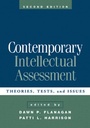
Contemporary Intellectual Assessment, Second Edition
Theories, Tests, and Issues
Book
04/2005
2nd Edition
Guilford Publications
€86.84
Article exhausted; check for reprint
Content
I. The Origins of Intellectual Assessment
1. The Early History of Intelligence Testing, Thorndike
2. The History of Test Development, Ittenbach, Esters, and Wainer
3. A History of Intelligence Test Interpretation, Kamphaus, Petoskey, and Morgan
II. Contemporary and Emerging Theoretical Perspectives
4. Human Cognitive Capabilities: Gf-Gc Theory, Horn and Noll
5. The Triarchic Theory of Intelligence, Sternberg
6. Alternative Assessment from a Multiple Intelligences Theoretical Perspective, Chen and Gardner
7. The Three-Stratum Theory of Cognitive Abilities, Carroll
8. The Role of Intelligence in a Broad Model of Personal Competence, Greenspan and Driscoll
9. Analysis of the Major Intelligence Batteries according to a Proposed Comprehensive
Gf-Gc Framework, McGrew
III. New Tests and Alternative Techniques for Assessing Intelligence
10. The Differential Ability Scales, Elliott
11. The Kaufman Adolescent and Adult Intelligence Test, Kaufman and Kaufman
12. The Woodcock Johnson Tests of Cognitive Ability Revised, Woodcock
13. Planning, Attention, Simultaneous, and Successive Theory and the Das Naglieri Cognitive Assessment System: A Theory-Based Measure of Intelligence, Naglieri
14. The Universal Nonverbal Intelligence Test, McCallum and Bracken
15. Dynamic Assessment Approaches, Lidz
16. The Learning Potential Assessment Device, Feuerstein, Feuerstein, and Gross
17. A Cross-Battery Approach to Assessing and Interpreting Cognitive Abilities: Narrowing the Gap between Practice and Cognitive Science, Flanagan and McGrew
18. Issues and Suggestions for Training Professionals in Assessing Intelligence, Alfonso and Pratt
IV. Emerging Issues and New Directions in Intellectual Assessment
19. Ontology, Structure, and Diagnostic Benefits of a Normative Subtest Taxonomy from the WISC-III Standardization Sample, Glutting, McDermott, and Konold
20. Using Confirmatory Factor Analysis to Aid in Understanding the Constructs Measured by Intelligence Tests, Keith
21. Contemporary Models for the Biometric Genetic Analysis of Intellectual Abilities, McArdle and Prescott
22. Diagnostic and Treatment Utility of Intelligence Tests, Reschly
23. The Functional Utility of Intelligence Tests with Special Education Populations, Flanagan, Andrews, and Genshaft
24. The Utility of Intelligence Tests for Preschool Children, Bracken and Walker
25. The Cognitive Assessment of Limited English Proficient and Bilingual Children, Lopez
26. The Triple Quandary of Race, Culture, and Social Class in Standardized
Cognitive Ability Testing, Helms
27. An Integration and Synthesis of Contemporary Theories, Tests, and Issues in the
Field of Intellectual Assessment, Harrison, Flanagan, and Genshaft
Appendix A: Ethical Principles of Psychologists and Code of Conduct (Ethical Standard 2).
Appendix B: Code of Fair Testing Practices in Education.
Appendix C: Code of Professional Responsibilities in Educational Measurement
1. The Early History of Intelligence Testing, Thorndike
2. The History of Test Development, Ittenbach, Esters, and Wainer
3. A History of Intelligence Test Interpretation, Kamphaus, Petoskey, and Morgan
II. Contemporary and Emerging Theoretical Perspectives
4. Human Cognitive Capabilities: Gf-Gc Theory, Horn and Noll
5. The Triarchic Theory of Intelligence, Sternberg
6. Alternative Assessment from a Multiple Intelligences Theoretical Perspective, Chen and Gardner
7. The Three-Stratum Theory of Cognitive Abilities, Carroll
8. The Role of Intelligence in a Broad Model of Personal Competence, Greenspan and Driscoll
9. Analysis of the Major Intelligence Batteries according to a Proposed Comprehensive
Gf-Gc Framework, McGrew
III. New Tests and Alternative Techniques for Assessing Intelligence
10. The Differential Ability Scales, Elliott
11. The Kaufman Adolescent and Adult Intelligence Test, Kaufman and Kaufman
12. The Woodcock Johnson Tests of Cognitive Ability Revised, Woodcock
13. Planning, Attention, Simultaneous, and Successive Theory and the Das Naglieri Cognitive Assessment System: A Theory-Based Measure of Intelligence, Naglieri
14. The Universal Nonverbal Intelligence Test, McCallum and Bracken
15. Dynamic Assessment Approaches, Lidz
16. The Learning Potential Assessment Device, Feuerstein, Feuerstein, and Gross
17. A Cross-Battery Approach to Assessing and Interpreting Cognitive Abilities: Narrowing the Gap between Practice and Cognitive Science, Flanagan and McGrew
18. Issues and Suggestions for Training Professionals in Assessing Intelligence, Alfonso and Pratt
IV. Emerging Issues and New Directions in Intellectual Assessment
19. Ontology, Structure, and Diagnostic Benefits of a Normative Subtest Taxonomy from the WISC-III Standardization Sample, Glutting, McDermott, and Konold
20. Using Confirmatory Factor Analysis to Aid in Understanding the Constructs Measured by Intelligence Tests, Keith
21. Contemporary Models for the Biometric Genetic Analysis of Intellectual Abilities, McArdle and Prescott
22. Diagnostic and Treatment Utility of Intelligence Tests, Reschly
23. The Functional Utility of Intelligence Tests with Special Education Populations, Flanagan, Andrews, and Genshaft
24. The Utility of Intelligence Tests for Preschool Children, Bracken and Walker
25. The Cognitive Assessment of Limited English Proficient and Bilingual Children, Lopez
26. The Triple Quandary of Race, Culture, and Social Class in Standardized
Cognitive Ability Testing, Helms
27. An Integration and Synthesis of Contemporary Theories, Tests, and Issues in the
Field of Intellectual Assessment, Harrison, Flanagan, and Genshaft
Appendix A: Ethical Principles of Psychologists and Code of Conduct (Ethical Standard 2).
Appendix B: Code of Fair Testing Practices in Education.
Appendix C: Code of Professional Responsibilities in Educational Measurement