

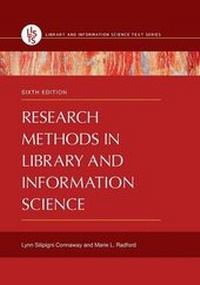
Research Methods in Library and Information Science, 6th Edition
6th Edition
Published on 21. November 2016
Book
Paperback/Softback
478 pages
978-1-4408-3478-3 (ISBN)
Description
An essential resource for LIS master's and doctoral students, new LIS faculty, and academic librarians, this book provides expert guidance and practical examples based on current research about quantitative and qualitative research methods and design.
Conducting research and successfully publishing the findings is a goal of many professionals and students in library and information science (LIS). Using the best methodology maximizes the likelihood of a successful outcome. This outstanding book broadly covers the principles, data collection techniques, and analyses of quantitative and qualitative methods as well as the advantages and limitations of each method to research design. It addresses these research methods and design by discussing the scientific method, sampling techniques, validity, reliability, and ethical concerns along with additional topics such as experimental research design, ethnographic methods, and usability testing.
The book presents comprehensive information in a logical, easy-to-follow format, covering topics such as research strategies for library and information science doctoral students; planning for research; defining the problem, forming a theory, and testing the theory; the scientific method of inquiry and data collection techniques; survey research methods and questionnaires; analyzing quantitative data; interview-based research; writing research proposals; and even time management skills. LIS students and professionals can consult the text for instruction on conducting research using this array of tools as well as for guidance in critically reading and evaluating research publications, proposals, and reports.
The explanations and current research examples supplied by discipline experts offer advice and strategies for completing research projects, dissertations, and theses as well as for writing grants, overcoming writer's block, collaborating with colleagues, and working with outside consultants. The answer to nearly any question posed by novice researchers is provided in this book.
Now in its sixth edition, the book provides new and updated content that is even more comprehensive than before and contains added sections featuring the voices of prominent LIS scholars, researchers, and editors
"Voices of the Experts" text boxes provide researchers' advice on specific methods and identify what was most important or most valuable about using a particular method and software for analysis-e.g., NVivo, SurveyMonkey, and log capture
Written by coauthors with extensive expertise in research design, securing grant funding, and using the latest technology and data analysis software
Conducting research and successfully publishing the findings is a goal of many professionals and students in library and information science (LIS). Using the best methodology maximizes the likelihood of a successful outcome. This outstanding book broadly covers the principles, data collection techniques, and analyses of quantitative and qualitative methods as well as the advantages and limitations of each method to research design. It addresses these research methods and design by discussing the scientific method, sampling techniques, validity, reliability, and ethical concerns along with additional topics such as experimental research design, ethnographic methods, and usability testing.
The book presents comprehensive information in a logical, easy-to-follow format, covering topics such as research strategies for library and information science doctoral students; planning for research; defining the problem, forming a theory, and testing the theory; the scientific method of inquiry and data collection techniques; survey research methods and questionnaires; analyzing quantitative data; interview-based research; writing research proposals; and even time management skills. LIS students and professionals can consult the text for instruction on conducting research using this array of tools as well as for guidance in critically reading and evaluating research publications, proposals, and reports.
The explanations and current research examples supplied by discipline experts offer advice and strategies for completing research projects, dissertations, and theses as well as for writing grants, overcoming writer's block, collaborating with colleagues, and working with outside consultants. The answer to nearly any question posed by novice researchers is provided in this book.
Now in its sixth edition, the book provides new and updated content that is even more comprehensive than before and contains added sections featuring the voices of prominent LIS scholars, researchers, and editors
"Voices of the Experts" text boxes provide researchers' advice on specific methods and identify what was most important or most valuable about using a particular method and software for analysis-e.g., NVivo, SurveyMonkey, and log capture
Written by coauthors with extensive expertise in research design, securing grant funding, and using the latest technology and data analysis software
Reviews / Votes
"This book would surely benefit any researcher, experienced or new, who is doing or wants to do research in the field of LIS. . . I wish I had this helpful reference at the start of my PhD program." - The Library QuarterlyMore details
Edition
6th Revised edition
Language
English
Place of publication
United States
Publishing group
Bloomsbury Publishing Plc
Target group
Professional and scholarly
College/higher education
Edition type
Revised edition
ISBN-13
978-1-4408-3478-3 (9781440834783)
Copyright in bibliographic data and cover images is held by Nielsen Book Services Limited or by the publishers or by their respective licensors: all rights reserved.
Schweitzer Classification
Persons
Lynn Silipigni Connaway, PhD, is a senior research scientist at OCLC Research where she leads user studies and the digital visitors and residents project.
Marie L. Radford, PhD, MSLIS, is professor in the Department of Information and Library Studies and director of the PhD Program at the Rutgers School of Communication and Information, New Brunswick, NJ.
Marie L. Radford, PhD, MSLIS, is professor in the Department of Information and Library Studies and director of the PhD Program at the Rutgers School of Communication and Information, New Brunswick, NJ.