

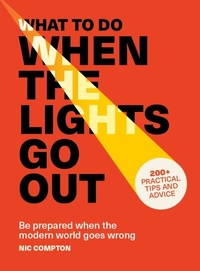
What to Do When the Lights Go Out
Be prepared when the modern world goes wrong
Will be published approx. on 24. September 2026
Book
Paperback/Softback
192 pages
978-1-80570-430-0 (ISBN)
Description
Stay safe, calm and in control during a power cut and other modern emergencies with What to Do When the Lights Go Out.
Unlike traditional survivalist manuals that dwell on extreme scenarios, this reassuring guide is firmly rooted in real life. It teaches you how to prepare sensibly and build genuine self-sufficiency in a world where outages, shortages and unexpected interruptions are increasingly common.
For example, you'll learn how to:
Take charge in the first five minutes, assess the situation and keep your household safe.
Light your space safely and creatively with clever DIY hacks.
Stay warm without power.
Keep cool in a heatwave.
Cook without electricity, from simple no-cook meals to outdoor and campfire cooking.
Manage food and water supplies, including collecting, filtering and purifying water.
Maintain hygiene with limited or no running water.
Support children, seniors, pets and vulnerable neighbours.
Decide when to stay put and when to leave, using the easy-to-follow REDOUT decision framework.
Assemble a realistic, no-nonsense bug-out bag filled with what people truly need in an emergency.
Practical, reassuring and refreshingly free of doom-and-gloom thinking, What to Do When the Lights Go Out helps you build everyday resilience so you can face uncertainty with confidence.
Prepare now and turn the next blackout into something you can handle with ease.
Unlike traditional survivalist manuals that dwell on extreme scenarios, this reassuring guide is firmly rooted in real life. It teaches you how to prepare sensibly and build genuine self-sufficiency in a world where outages, shortages and unexpected interruptions are increasingly common.
For example, you'll learn how to:
Take charge in the first five minutes, assess the situation and keep your household safe.
Light your space safely and creatively with clever DIY hacks.
Stay warm without power.
Keep cool in a heatwave.
Cook without electricity, from simple no-cook meals to outdoor and campfire cooking.
Manage food and water supplies, including collecting, filtering and purifying water.
Maintain hygiene with limited or no running water.
Support children, seniors, pets and vulnerable neighbours.
Decide when to stay put and when to leave, using the easy-to-follow REDOUT decision framework.
Assemble a realistic, no-nonsense bug-out bag filled with what people truly need in an emergency.
Practical, reassuring and refreshingly free of doom-and-gloom thinking, What to Do When the Lights Go Out helps you build everyday resilience so you can face uncertainty with confidence.
Prepare now and turn the next blackout into something you can handle with ease.
More details
Language
English
Place of publication
United Kingdom
Publishing group
Quarto Publishing PLC
Product notice
Flexible plastic/vinyl cover
Dimensions
Height: 230 mm
Width: 170 mm
Thickness: 15 mm
Weight
500 gr
ISBN-13
978-1-80570-430-0 (9781805704300)
Copyright in bibliographic data and cover images is held by Nielsen Book Services Limited or by the publishers or by their respective licensors: all rights reserved.
Schweitzer Classification
Person
NIC COMPTON is the author of How to Survive a Lightning Strike, published by Ivy Press (aka Life Skills, Chartwell in North America). He is writer/photographer specialising in sailing - but with a keen interest in environmental issues. He has written 15 books and recently completed an MA in Global Political Economy at Sussex University, and co-wrote two books about economics. He currently lives by the River Dart in Devon, UK, from where he sails a Romilly 22 called Ramona. More information at www.niccompton.co.uk.
Content
Introduction: What This Book is For
What to Do Before the Lights Go Out: Be Prepared Before Anything Happens
The Modern Fragile Grid: Why Outages Happen
Mindset Before Materials: Calm, Not Chaos
Creating a Preparedness Plan (That You'll Actually Follow)
Home Energy Basics: Understanding Your Dependence
Emergency Kits that Make Sense
Preparing for Cold
Preparing for Extreme Weather
Preparing against Fire and Theft
Optimizing Your Health for Every Eventuality
Practical Skills that Will Improve Your Life Now
Food Stockpiling and Storage for Real People
Nutrition: Know What Your Body Needs
Water: Access, Storage, Filtration
Sanitation Supplies: Keeping Clean with Limited Water
Alternative Toilets: The Scoop on Poop
Emergency Energy Supplies: Keeping the Home Fires Burning
Alternative Light Options
Stay Informed without the Internet
Small is Beautiful: Apartment Living
Your Neighbourhood Network: Mutual Aid and Community Preparedness
Paying for Stuff: Why Cash is King
What to Do When the Lights Go Out: Coping in an Emergency
The First Five Minutes: Staying Safe and Calm
An Action Plan for Everyone
Staying Safe During a Storm
Lighting Your Space: Safe, Simple Illumination
Staying Warm without Power
Staying Cool without Power
Feeding Yourself: No-Electricity Cooking and Food Safety
Water Emergencies: What to Do (and What Not to Do) When the Tap Runs Dry
Hygiene: Keeping Clean with a Limited Water Supply
Security without Paranoia
Look After Older People
Make It Fun for the Kids
Don't Forget the Pooch
How to Make Cake on an Open Fire
Foraging: Nature's Bounty
Coping with Medical Needs
When Nature Calls: An Honest Guide to Emergency Toilets
What a Load of Rubbish
Making the Most of Apartment Living
Some Useful Life Hacks (That Don't Need Electricity)
Knowing When to Stay, When to Go
Calculating Distances: How Far Can I Go? Where Should I Go?
Best Bug-Out Bag
What to Do After the Lights Go Out: Reconnecting and Long-term Planning
The First 72 Hours and Beyond
Learning from the Blackout: What Worked, What Didn't
Staying Strong: Why It's Already to Cry
Strengthening Community Ties after a Crisis
Cultivating Music and Culture
Long-term Security: The Next Level
Digital Balance: Tech Use After Disruption
Sustainable Simplicity: Living Better with Less
Paying for Stuff: Why Bartering is Best
The Self-Sufficient Garden
The Self-Sufficient Kitchen
Understanding Natural Medicine
The Self-Sufficient Workshop
Power to the People: Generating Your Electricity at Home
Off-grid Curious? Small Steps Towards Energy Independence
Getting About: Low-impact, Low-cost Transport
Pros and Cons of Home Education
Preparedness as a Lifestyle, not a Project
Location of Utilities and Emergency Equipment
Emergency Contacts
General Contacts
Further Reading and Resources
Index
What to Do Before the Lights Go Out: Be Prepared Before Anything Happens
The Modern Fragile Grid: Why Outages Happen
Mindset Before Materials: Calm, Not Chaos
Creating a Preparedness Plan (That You'll Actually Follow)
Home Energy Basics: Understanding Your Dependence
Emergency Kits that Make Sense
Preparing for Cold
Preparing for Extreme Weather
Preparing against Fire and Theft
Optimizing Your Health for Every Eventuality
Practical Skills that Will Improve Your Life Now
Food Stockpiling and Storage for Real People
Nutrition: Know What Your Body Needs
Water: Access, Storage, Filtration
Sanitation Supplies: Keeping Clean with Limited Water
Alternative Toilets: The Scoop on Poop
Emergency Energy Supplies: Keeping the Home Fires Burning
Alternative Light Options
Stay Informed without the Internet
Small is Beautiful: Apartment Living
Your Neighbourhood Network: Mutual Aid and Community Preparedness
Paying for Stuff: Why Cash is King
What to Do When the Lights Go Out: Coping in an Emergency
The First Five Minutes: Staying Safe and Calm
An Action Plan for Everyone
Staying Safe During a Storm
Lighting Your Space: Safe, Simple Illumination
Staying Warm without Power
Staying Cool without Power
Feeding Yourself: No-Electricity Cooking and Food Safety
Water Emergencies: What to Do (and What Not to Do) When the Tap Runs Dry
Hygiene: Keeping Clean with a Limited Water Supply
Security without Paranoia
Look After Older People
Make It Fun for the Kids
Don't Forget the Pooch
How to Make Cake on an Open Fire
Foraging: Nature's Bounty
Coping with Medical Needs
When Nature Calls: An Honest Guide to Emergency Toilets
What a Load of Rubbish
Making the Most of Apartment Living
Some Useful Life Hacks (That Don't Need Electricity)
Knowing When to Stay, When to Go
Calculating Distances: How Far Can I Go? Where Should I Go?
Best Bug-Out Bag
What to Do After the Lights Go Out: Reconnecting and Long-term Planning
The First 72 Hours and Beyond
Learning from the Blackout: What Worked, What Didn't
Staying Strong: Why It's Already to Cry
Strengthening Community Ties after a Crisis
Cultivating Music and Culture
Long-term Security: The Next Level
Digital Balance: Tech Use After Disruption
Sustainable Simplicity: Living Better with Less
Paying for Stuff: Why Bartering is Best
The Self-Sufficient Garden
The Self-Sufficient Kitchen
Understanding Natural Medicine
The Self-Sufficient Workshop
Power to the People: Generating Your Electricity at Home
Off-grid Curious? Small Steps Towards Energy Independence
Getting About: Low-impact, Low-cost Transport
Pros and Cons of Home Education
Preparedness as a Lifestyle, not a Project
Location of Utilities and Emergency Equipment
Emergency Contacts
General Contacts
Further Reading and Resources
Index