

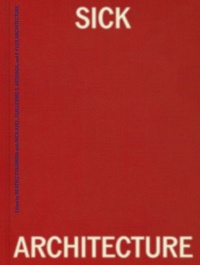
Sick Architecture
Published on 21. October 2025
Book
Hardback
360 pages
978-0-262-04968-9 (ISBN)
Description
A thought-provoking essay collection about how architecture and sickness are surprisingly interwoven—from Ancient Greece to present-day New York City.
Illnesses, wellness, and architecture are inseparable. Medical professionals and architects have always been in a kind of dance, often influencing one another, though the dance is not always synchronized. Drawing from a wide range of historical and contemporary case studies from ancient Greece to twentieth-century India to present-day New York City, Sick Architecture highlights a topic that has shaped our lives from the very beginnings of architecture to the outbreak of the Covid-19 pandemic and beyond.
Sick Architecture goes beyond the sicknesses recognized by the medical profession to ask: What aspects of society may be ill, in need of care, or subject to pathologization? Similarly the book goes beyond physical buildings and cities to interrogate architecture’s policy protocols and spatial logics. Its thirty-five diverse essays explore moments in global history when shifting notions of health became vectors for the development of architectural practice and discourse—as well as the reverse, when architecture acted as a reservoir and vector for illness.
Illnesses, wellness, and architecture are inseparable. Medical professionals and architects have always been in a kind of dance, often influencing one another, though the dance is not always synchronized. Drawing from a wide range of historical and contemporary case studies from ancient Greece to twentieth-century India to present-day New York City, Sick Architecture highlights a topic that has shaped our lives from the very beginnings of architecture to the outbreak of the Covid-19 pandemic and beyond.
Sick Architecture goes beyond the sicknesses recognized by the medical profession to ask: What aspects of society may be ill, in need of care, or subject to pathologization? Similarly the book goes beyond physical buildings and cities to interrogate architecture’s policy protocols and spatial logics. Its thirty-five diverse essays explore moments in global history when shifting notions of health became vectors for the development of architectural practice and discourse—as well as the reverse, when architecture acted as a reservoir and vector for illness.
More details
Language
English
Place of publication
Cambridge (Massachusetts)
United States
Publishing group
MIT Press Ltd
Illustrations
168 COLOR ILLUS., 136 BLACK AND WHITE ILLUS.
Dimensions
Height: 296 mm
Width: 225 mm
Thickness: 34 mm
Weight
1576 gr
ISBN-13
978-0-262-04968-9 (9780262049689)
Copyright in bibliographic data and cover images is held by Nielsen Book Services Limited or by the publishers or by their respective licensors: all rights reserved.
Schweitzer Classification
Persons
edited by Beatriz Colomina; with Nick Axel, Guillermo S. Arsuaga, and e-flux Architecture
Content
Introduction
Atmospheres
Nicholas Shapiro, “Manufactured Home Syndrome”
Maxwell Smith-Holmes, “Contamination Spread Questions and Answers”
Iason Stathatos, “Hunger Architecture”
Angelika Ellen Joseph, “Alcohol After the Apocalypse”
Jessica Varner, “Toxicology at the Werkbund”
Mark Wigley, “Chronic Whiteness”
Xhulio Binjaku, “Vitamin D Architecture”
Marie de Testa, “Hysteria as Scenography”
Kara Plaxa, “Boys will be Boys”
Edna Bonhomme, “Contagion on the Plantation”
Borders
Guillermo Sanchez Arsuaga, “Space of Inspection within the Medicalized Border”
Jeremy Lee Wolin, “‘The Finest Immigration Station in the World’”
Rebecca Kellawan, “Normalizing Prejudice: Gold Rush Healthcare and the Rise of Modern Hospitals in San Francisco”
Clemens Finkelstein, “Planetary Disequilibrium”
Dante Furioso, “Sanitary Imperialism”
Simon De Nys-Ketels and Johan Lagae, “Cordon Sanitaire between Plan and Reality”
Shivani Shedde, “Small Family, Happy Family, Housed Nation”
Chenchen Yan, “The Birth of a Modern Chinese Sanatorium”
Emily Apter, “Live Free or Die? Psychopolitical Infrastructures of Denialism”
Bodies
David Gissen, “Disabling Form”
Patrick Jaojoco, “Autistic Spatiality”
Gideon Boie, “Models of Inclusion”
Alexandra Sastrawati, “Depressed Worlds”
Meredith TenHoor, “Care Beyond Biopolitics”
Victoria Bergbauer, “Prosthetic Village”
Ibiayi Briggs, “Body Culture and Contrology”
Giuseppina Scavuzzo, “Negation and Deinstitutionalization”
Holly Bushman, “Regel-ated Bodies”
An Tairan, “Touching, Disease, and the Sacred Artifact”
Landscapes
Brooke Holmes, “On the Nature of Plato’s Embodied City”
Beatriz Colomina, “Diary of a Disease”
Elizabeth Povinelli, “The Virus: Figure and Infrastructure”
Ivan L. Munuera, “Lands of Contagion”
Gizem Sivri, “Desert Fever: Harvesting the Sun, Colonizing the Land”
Angela H. Brown, “The Immunocompromised Home”
Samia Henni, “Radioactivity in the Sahara”
Fabiola López-Durán, “Fantasies of Whiteness”
Author Bios
Back Matter
Atmospheres
Nicholas Shapiro, “Manufactured Home Syndrome”
Maxwell Smith-Holmes, “Contamination Spread Questions and Answers”
Iason Stathatos, “Hunger Architecture”
Angelika Ellen Joseph, “Alcohol After the Apocalypse”
Jessica Varner, “Toxicology at the Werkbund”
Mark Wigley, “Chronic Whiteness”
Xhulio Binjaku, “Vitamin D Architecture”
Marie de Testa, “Hysteria as Scenography”
Kara Plaxa, “Boys will be Boys”
Edna Bonhomme, “Contagion on the Plantation”
Borders
Guillermo Sanchez Arsuaga, “Space of Inspection within the Medicalized Border”
Jeremy Lee Wolin, “‘The Finest Immigration Station in the World’”
Rebecca Kellawan, “Normalizing Prejudice: Gold Rush Healthcare and the Rise of Modern Hospitals in San Francisco”
Clemens Finkelstein, “Planetary Disequilibrium”
Dante Furioso, “Sanitary Imperialism”
Simon De Nys-Ketels and Johan Lagae, “Cordon Sanitaire between Plan and Reality”
Shivani Shedde, “Small Family, Happy Family, Housed Nation”
Chenchen Yan, “The Birth of a Modern Chinese Sanatorium”
Emily Apter, “Live Free or Die? Psychopolitical Infrastructures of Denialism”
Bodies
David Gissen, “Disabling Form”
Patrick Jaojoco, “Autistic Spatiality”
Gideon Boie, “Models of Inclusion”
Alexandra Sastrawati, “Depressed Worlds”
Meredith TenHoor, “Care Beyond Biopolitics”
Victoria Bergbauer, “Prosthetic Village”
Ibiayi Briggs, “Body Culture and Contrology”
Giuseppina Scavuzzo, “Negation and Deinstitutionalization”
Holly Bushman, “Regel-ated Bodies”
An Tairan, “Touching, Disease, and the Sacred Artifact”
Landscapes
Brooke Holmes, “On the Nature of Plato’s Embodied City”
Beatriz Colomina, “Diary of a Disease”
Elizabeth Povinelli, “The Virus: Figure and Infrastructure”
Ivan L. Munuera, “Lands of Contagion”
Gizem Sivri, “Desert Fever: Harvesting the Sun, Colonizing the Land”
Angela H. Brown, “The Immunocompromised Home”
Samia Henni, “Radioactivity in the Sahara”
Fabiola López-Durán, “Fantasies of Whiteness”
Author Bios
Back Matter