

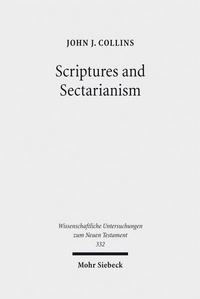
Scriptures and Sectarianism
Essays on the Dead Sea Scrolls
1st Edition
Published on 18. September 2014
Book
Hardback
343 pages
978-3-16-153210-8 (ISBN)
Description
Die Schriftrollen vom Toten Meer enthalten viele Texte, die von einer sektiererischen Bewegung verfasst wurden (aber auch viele, bei denen dies nicht so war). Die Bewegung hatte ihren Ursprung in Streitigkeiten über die Deutung der Schrift, vor allem der Tora, und nicht in Streitigkeiten bezüglich des Priestertums, wie früher angenommen. Der endgültige Bruch mit der judäischen Gesellschaft sollte eher auf das erste Jahrhundert v. Chr. datiert werden als auf das zweite. John J. Collins erläutert, dass die Weltanschauung der Sekte eine gesteigerte Wahrnehmung der Beteiligung an der himmlischen, engelhaften Welt und die Hoffnung auf ein Leben nach dem Tod in der Gemeinschaft mit den Engeln beinhaltete. Die in diesem Band versammelten Aufsätze sind in drei Abschnitte unterteilt, welche sich mit der Heiligen Schrift und deren Deutung, Geschichte und Sektierertum sowie der sektiererischen Weltanschauung befassen. Der einleitende Aufsatz gewährt einen Überblick über das, was wir von den Schriftrollen gelernt haben, und der letzte behandelt das Verhältnis der Schriftrollen zum frühen Christentum.
More details
Other editions
Additional editions
E-Book
09/2014
1st Edition
Mohr Siebeck
€149.00
Available for download
Person
Content
Preface
Introduction: What Have We Learned from the Dead Sea Scrolls?
Part One: Scripture and Interpretation
The Transformation of the Torah in Second Temple Judaism - Changing Scripture - Tradition and Innovation in the Dead Sea Scrolls - The Interpretation of Genesis in the Dead Sea Scrolls - The Interpretation of Psalm Two - The Book of Daniel and the Dead Sea Scrolls
Part Two: History and Sectarianism Historiography in the Dead Sea Scrolls - Reading for History in the Dead Sea Scrolls - "Enochic Judaism" and the Sect of the Dead Sea Scrolls - Sectarian Consciousness in the Dead Sea Scrolls
Part Three: The Sectarian Worldview Covenant and Dualism in the Dead Sea Scrolls - The Angelic Life - The Essenes and the Afterlife - Prayer and the Meaning of Ritual in the Dead Sea Scrolls - The Eschatologizing of Wisdom in the Dead Sea Scrolls
Epilogue The Dead Sea Scrolls and the New Testament - The Case of the Suffering Servant
Part One: Scripture and Interpretation
The Transformation of the Torah in Second Temple Judaism - Changing Scripture - Tradition and Innovation in the Dead Sea Scrolls - The Interpretation of Genesis in the Dead Sea Scrolls - The Interpretation of Psalm Two - The Book of Daniel and the Dead Sea Scrolls
Part Two: History and Sectarianism Historiography in the Dead Sea Scrolls - Reading for History in the Dead Sea Scrolls - "Enochic Judaism" and the Sect of the Dead Sea Scrolls - Sectarian Consciousness in the Dead Sea Scrolls
Part Three: The Sectarian Worldview Covenant and Dualism in the Dead Sea Scrolls - The Angelic Life - The Essenes and the Afterlife - Prayer and the Meaning of Ritual in the Dead Sea Scrolls - The Eschatologizing of Wisdom in the Dead Sea Scrolls
Epilogue The Dead Sea Scrolls and the New Testament - The Case of the Suffering Servant