

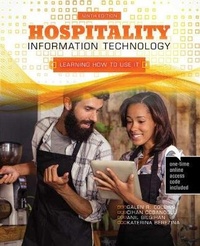
Hospitality Information Technology
Learning How to Use It
9th Edition
Will be published approx. on 30. June 2021
Book
Paperback/Softback
277 pages
978-1-7924-2716-9 (ISBN)
Description
New Ninth Edition Now Available!The hospitality industry is quickly becoming automated, leading to greater efficiency, better customer service, and ultimately, increased profits As a result, it is imperative that a person wishing to enter the hospitality business be familiar with the technology propelling it forward This book will help you with this taskHospitality Information Technology: Learning How to Use It discusses a variety of information technologies (eg, mobile, cloud computing, self-service, wireless, social media, etc) that are transforming hospitality businesses, with a special emphasis on restaurant and lodging operations It addresses technical concepts underlying current and future developments in hospitality information technology Current hospitality applications are described and explained in detail, as well as new ones being developed to take advantage of emerging technologiesHospitality Information Technology: Learning How to Use It consists of 12 chapters providing answers to the following important questions: - How are computer-based information systems used to empower hospitality organizations?
- What measures can be taken in preventing computer and network failures, optimizing hardware performance, and minimizing security threats?
- How are restaurant and lodging applications used for enhancing operational efficiency and effectiveness?
- What are the mission-critical systems in hotels and restaurants?
- What are the key steps in constructing and operating an accounting information system and ensuring that data and information are reliable, confidential, secure, and available as needed?
- How are in-room and guest-facing technologies used in hotel environments impacting guest experiences?
- Why is social media important to hospitality businesses?
- How can hospitality businesses use technology to gain a competitive advantage?
- Why it is important that IT projects are managed efficiently and meet the objectives of stakeholders?
- How are data mining and analytics used for improving decision making in the hospitality industry?
- What are the steps and considerations when selecting and implementing hospitality information systems?
- How are emerging technologies influencing and reshaping hospitality business models?
Key changes to the ninth edition include:Chapter 1 Information Systems and Technology: Old areas/new areas addressed include pandemic impact, voice assistant technology, chatbots, virtual agents, artificial intelligence, Internet of Things and Internet of Everything, QR codes, intelligent crowd management, RFID, beacon technology, biometric and contactless technologies, hardware capacities updates (e.g., RAM, storage: HDD/SSD, etc.), monitor technology, 3D printer technology, digital signage, mobile apps, wearable technologies, customer feedback technologies (e.g., HappyOrNot terminals, data visualization, updated figures, etc.Chapter 2 Networks and System Security: Old areas/new areas addressed include pandemic impact, mesh topology, LiFi, 5G networks, WiFi6, update on network components and capacities (e.g., server types: edge), business continuity planning, ransomware, network attacks (e.g., DDoS and IoT), data breaches, personal information privacy and protection, causes of system failure, passwordless authentication, new photographs/updated figures, etc.Chapter 3 Restaurant Technology Systems: Old areas/new areas addressed include pandemic impact, POS hardware/software, mobile and contactless payment systems, enhanced customer satisfaction, tabletop and self-service technologies, QR codes, online reservation systems, table management systems, integration of systems with third party delivery systems, home delivery and online ordering systems, gift card programs, digital menus, new photographs/new and updated figures, etc.Chapter 4 Lodging Technology Systems: Old areas/new areas addressed include hotel loyalty programs, distribution channels (e.g., booking fees), direct and indirect channels, etc.), GDS and OTAs, Blockchain distribution systems, revenue management, baggage handling system, check-in and self-service technologies, new photographs/, etc.Chapter 5 Accounting Information Systems: Blockchain accounting technologyChapter 6 Guest Centric Technologies: Old areas/new areas addressed include pandemic impact, guestroom technology advancements, guestroom control systems, big data to customize and enhance customer experience., electronic locking technology (e.g., Mobile Key/bluetooth Systems), fire safety and security systems, energy management systems, contactless devices, in-room technology (e.g., Internet access, Wi-Fi/5G, IoT devices: smart windows, mirrors, etc.),new photographs/updated figures. etc.Chapters 9 and 11: Minor updates: Old areas/new areas addressed include data mining and pandemic, systems evaluation, role of technology, RFP, new photograph, etc.Chapter 7 The Internet and Social media. Old areas/new areas addressed included Internet usage and growth, Internet and travel, IoT, search engine optimization and marketing, destination information, transportation, sharing economy platforms, consumer generated media, social media platforms, social media metrics, Internet statistics 2020, etc.Chapter 12 Automation and Robotics in the Hospitality Industry: Old areas/new areas addressed include pandemic impact, self-service technologies, industrial and service robots, deployment of robots in the hospitality industry and other service environments, virtual reality technology, virtual tools, and virtual trips/tourists, conferences, and experiences (e.g., Amazon Explore).
- What measures can be taken in preventing computer and network failures, optimizing hardware performance, and minimizing security threats?
- How are restaurant and lodging applications used for enhancing operational efficiency and effectiveness?
- What are the mission-critical systems in hotels and restaurants?
- What are the key steps in constructing and operating an accounting information system and ensuring that data and information are reliable, confidential, secure, and available as needed?
- How are in-room and guest-facing technologies used in hotel environments impacting guest experiences?
- Why is social media important to hospitality businesses?
- How can hospitality businesses use technology to gain a competitive advantage?
- Why it is important that IT projects are managed efficiently and meet the objectives of stakeholders?
- How are data mining and analytics used for improving decision making in the hospitality industry?
- What are the steps and considerations when selecting and implementing hospitality information systems?
- How are emerging technologies influencing and reshaping hospitality business models?
Key changes to the ninth edition include:Chapter 1 Information Systems and Technology: Old areas/new areas addressed include pandemic impact, voice assistant technology, chatbots, virtual agents, artificial intelligence, Internet of Things and Internet of Everything, QR codes, intelligent crowd management, RFID, beacon technology, biometric and contactless technologies, hardware capacities updates (e.g., RAM, storage: HDD/SSD, etc.), monitor technology, 3D printer technology, digital signage, mobile apps, wearable technologies, customer feedback technologies (e.g., HappyOrNot terminals, data visualization, updated figures, etc.Chapter 2 Networks and System Security: Old areas/new areas addressed include pandemic impact, mesh topology, LiFi, 5G networks, WiFi6, update on network components and capacities (e.g., server types: edge), business continuity planning, ransomware, network attacks (e.g., DDoS and IoT), data breaches, personal information privacy and protection, causes of system failure, passwordless authentication, new photographs/updated figures, etc.Chapter 3 Restaurant Technology Systems: Old areas/new areas addressed include pandemic impact, POS hardware/software, mobile and contactless payment systems, enhanced customer satisfaction, tabletop and self-service technologies, QR codes, online reservation systems, table management systems, integration of systems with third party delivery systems, home delivery and online ordering systems, gift card programs, digital menus, new photographs/new and updated figures, etc.Chapter 4 Lodging Technology Systems: Old areas/new areas addressed include hotel loyalty programs, distribution channels (e.g., booking fees), direct and indirect channels, etc.), GDS and OTAs, Blockchain distribution systems, revenue management, baggage handling system, check-in and self-service technologies, new photographs/, etc.Chapter 5 Accounting Information Systems: Blockchain accounting technologyChapter 6 Guest Centric Technologies: Old areas/new areas addressed include pandemic impact, guestroom technology advancements, guestroom control systems, big data to customize and enhance customer experience., electronic locking technology (e.g., Mobile Key/bluetooth Systems), fire safety and security systems, energy management systems, contactless devices, in-room technology (e.g., Internet access, Wi-Fi/5G, IoT devices: smart windows, mirrors, etc.),new photographs/updated figures. etc.Chapters 9 and 11: Minor updates: Old areas/new areas addressed include data mining and pandemic, systems evaluation, role of technology, RFP, new photograph, etc.Chapter 7 The Internet and Social media. Old areas/new areas addressed included Internet usage and growth, Internet and travel, IoT, search engine optimization and marketing, destination information, transportation, sharing economy platforms, consumer generated media, social media platforms, social media metrics, Internet statistics 2020, etc.Chapter 12 Automation and Robotics in the Hospitality Industry: Old areas/new areas addressed include pandemic impact, self-service technologies, industrial and service robots, deployment of robots in the hospitality industry and other service environments, virtual reality technology, virtual tools, and virtual trips/tourists, conferences, and experiences (e.g., Amazon Explore).
More details
Edition
9th Revised edition
Language
English
Place of publication
Iowa
United States
Target group
College/higher education
Edition type
Revised edition
Weight
907 gr
ISBN-13
978-1-7924-2716-9 (9781792427169)
Copyright in bibliographic data and cover images is held by Nielsen Book Services Limited or by the publishers or by their respective licensors: all rights reserved.
Schweitzer Classification
Content
- Chapter 1 Information Systems & Technology
- Information Processing
- Input Phase
- Processing Phase
- Output Phase
- Storage Phase
- Computer-Based Information System (CBIS)
- Hardware
- Input Devices
- Central Processing Unit (CPU)
- Storage Devices
- Output Devices
- Communication Devices
- Software
- Integrated Software
- Workflow Software
- Operating System
- The Computer Revolution
- Who Manages the CBIS?
- Advantages of Computerizing Information Processing
- Improved Labor Productivity and Organizational Efficiency
- Enhanced Decision Making Capability
- Reduced Operation Costs
- Increased Information Accuracy
- Increased Revenues
- Greater Customer Satisfaction and Loyalty
- Improved Controls
- Technology and Information
- Category
- Time
- Location
- Alphabet
- Continuum
- Data Miners
- Data Analytics
- Unleashing Your Brainpower
- Expert Insights
- Technology and Leadership
- Apollo Wills It!
- Royal Caribbean Rolls Out Self-Service Drink Fountains with RFID Technology
- RFID Technology
- Ultraviolet Technology
- Improved Sales and Guest Satisfaction
- References
- Chapter 2 Networks and System Security
- Introduction
- Computer Networks
- Local Area Network (LAN) Hardware and Software
- Network Operating System
- Workstation
- Server
- Network Interface Card or Adapter
- Switch/Hub
- Cable
- Network Topology
- Wide Area Network (WAN)
- Wi-Fi Networks
- Planning Factors
- Network Management
- Fault Management
- Configuration Management
- Performance Management
- Security Management
- Accounting Management
- Network Importance and Vulnerabilities
- Common Causes of System Failure
- Operator Error
- Hardware Failure
- Power Problems
- Software Bug
- System Overload
- Virus
- Spyware and Ransomware
- Backup Strategies
- Backup Frequency
- Backup Method
- Rotation of Secondary Storage Media
- Hardcopy
- Computer Security
- The Keyboard
- Biometric Technology
- The Internet and Communication Lines
- Physical Access
- IT Compliance
- Payment Card Industry Data Security Standards
- References
- Chapter 3 Restaurant Technology Systems
- Introduction
- Point-of-Sale Systems
- Elimination of Arithmetic Errors
- Improved Guest Check Control
- Increased Average Guest Check
- Improved Data Intelligence and Faster Reaction to Trends
- Reduced Labor Costs and Greater Operational Efficiency
- Reduced Credit Card Expenses and Improved Payment Processing
- Enhanced Customer Satisfaction
- Reduced Late Charges
- Terminal Design Varies
- Are Server Terminals Always Needed?
- POS Printers
- Course Firing (Hold and Fire)
- Video Monitor or Kitchen Display Systems
- Hardware Platforms
- System Evaluation Begins with a Detailed Checklist
- Table Management Systems
- Home Delivery and Online Ordering Systems
- Frequent Dining and Gift Card Programs
- Inventory Control System
- Menu Management System
- Digital Menus
- Expert Insights
- Technology in Restaurants
- iPad App Gives Shula's a Competitive Edge
- Bottom Line Benefits
- Making the Connection
- The Keys to Success
- References
- Chapter 4 Lodging Technology Systems
- Introduction
- Departmental Needs
- Guest Amenities
- Service Level and Customer Relationships
- Facility Size and Layout
- Organizational Structure
- Globalization
- Reservation System
- Selling Individual Reservations
- Selling Group Reservations
- Displaying Room Availability
- Tracking Advance Deposits
- Tracking Travel Agent Bookings and Commissions
- Internet Reservations
- Central Reservations
- Global Distribution Systems (GDS)
- Alternative Distribution Systems (ADS) or Online Travel Agencies (OTA)
- Blockchain-based Distribution Systems
- Electronic Distribution Management (EDM)
- Revenue Management
- Front Office System
- Guest Registration
- Room Status and Housekeeping Management
- Cashiering and Guest Check-Out
- Night Audit
- Night Audit Steps
- Sales and Catering Systems
- Booking Management
- Contact Management
- Account Management
- Event Management
- Reports and Queries
- Field Force Automation
- Lead and Proposal Management Systems
- Expert Insights
- Your Relationship with Data
- Luxury Hotel Makes Website a Five-Star Direct Revenue Channel
- Predicting Sales Patterns
- Immediate Returns
- Ten Steps to Simplify a Complex Distribution World
- References
- Chapter 5 Accounting Information Systems
- Introduction
- Accounting Information System (AIS)
- General Ledger
- Accounts Receivable
- Payroll
- Accounts Payable
- Information Technology Auditing and Internal Control
- Control Environment
- Risk Assessment
- Control Actvities
- Information and Communication
- Monitoring
- Blockchain Accounting Technology
- Expert Insights
- QuickBooks. Why It's the Ideal Accounting Software for Your Restaurant
- Web-Based Solution Streamlines Scheduling and Reduces Labor Costs
- Going Beyond Labor Management
- References
- Chapter 6 Guest Centric Technologies
- Technology in the Room: Historic View
- The Big Picture
- Advantages and Disadvantages of Technology in Hotels
- In Room Technologies
- Categories of Locking Systems
- Mechanical Locks
- Non-Electronic Locking Systems
- Electronic Locking
- Key Cards
- New Generation of ELS
- Energy Management and Climate Control Systems
- Types of Energy Management Systems
- Fire Alarm and Security Systems
- In-Room Minibars
- Traditional Minibars
- Semiautomated Minibars
- Automated Minibars
- In-Room Safes
- Guest Room Phone Systems
- Brief History of Hotel Telephone Service
- Internet Access in Hotels
- Future of Telephones in Hotels2Voice Mail/Wake-Up Systems
- In-Room Entertainment Systems
- Guestroom Control Systems
- Self Check-In/Out Systems
- References
- Chapter 7 The Internet and Social Media
- What Is the Internet?
- The History of Internet
- Domain Names
- Usage and Growth
- Internet and Travel
- Internet of Things
- Information Retrieval and Search Services
- File Transfer Protocol
- Search Tools
- Search Engine Optimization
- The Internet and Hospitality Business
- Travel
- Food and Beverage
- Intranets
- Why Does a Business Need an Intranet
- Intranet in the Hospitality Industry
- E-Business Models
- The Future
- Consumer Generated Media or Electronic Word of Mouth
- Software as a Service
- Social Networks
- Social Interactions
- Definition of Social Media
- History of Social Media
- Social Media Revolution
- Applications of Social Media in the Hospitality Industry
- Travel Industry in the Information Age
- The Impact of Social Media on Financial Performance
- Web 3.0
- Social Media Targeting Features
- Internet Statistics 2020
- References
- Chapter 8 Strategic Use of Technology in the Hospitality Industry
- Introduction
- Strategic Value of Technology
- Strategic Enablers
- Information Revolution
- Competitive Advantage
- IT Capabilities and IT Competencies
- Positioning View
- Resource Based View335Dynamic Capabilities View
- Sustaining Competitiveness
- Technology's Impact in the Hotel Industry
- Technology's Impact in the Restaurant Industry
- IT Investment Philosophies
- Industry Specific Technologies
- Strategic Analysis
- Co-Alignment Model
- Environmental Events
- Strategic Choice
- Firm Structure
- Firm Performance
- Restaurant Example
- Importance of Environment in Strategic Management
- Synergy between Higher Management and IT Engineering
- Resources Integration
- Analysis of IT Decisions in Hotels
- Technology Induced Competitive Advantage Stages
- Operation Stage
- Enhancement Stage
- Strategic Stage
- Transformation Stage
- Barriers to Technology Projects in the Hospitality Industry
- Market Oriented Strategic IT Investment Planning
- References
- Chapter 9 Data Mining in Hospitality
- Introduction
- Data Warehousing
- Data Mining
- Data Mining Process
- Data Mining Strategies
- Data Mining Techniques
- The Uses of Data Mining in the Hospitality Industry
- References
- Chapter 10 Project Management
- Introduction
- Project Management Phases
- Project Concept/Scope
- Project Design/Assemble Project Team
- Project Development
- Quality Assurance
- Beta
- Release
- General Availability
- End of Life
- References
- Chapter 11 Selecting and Implementing Hospitality Information Systems
- Steps in System Selection
- Reviewing Organizational Needs
- What Is the Mission or Purpose of an Organization?
- What Are the Organizational Goals or Objectives?
- What Is the Organizational Structure?
- What Is the Role of Technology in Service Improvement?
- Evaluating the Current System
- Defining Budget Requirements
- Developing a Request for Proposal
- Property Profile Report
- Constructing the RFP
- Software Evaluation
- Evaluation of Customer Support and Vendor Reputation
- Evaluation of Training and Installation
- When Should the Training Take Place?
- What Employees Will Be Trained?
- What Should Be Covered in the Training Program?
- Hardware Evaluation
- Which Comes First, Selection of Software or Hardware?
- What Type of Computer Should Be Purchased?
- What Should the Hardware Configuration Be?
- Does the Vendor Understand Hardware Ergonomics?
- Systems Selection
- System Implementation
- Implementation Steps
- Conversion Strategies
- Expert Insights
- Breaking the Spreadsheet Habit
- Integrated or Best-of-Breed Systems: Maybe We Should Be Asking Different Questions When Choosing Systems
- Integrated Systems
- Best-of-Breed Systems
- The Real World Interferes
- Cloud Helps Porter Apple to Avoid Capital Outlay
- The Answer in the Cloud
- Saving Time and Money
- References
- Chapter 12 Automation and Robotics in the Hospitality Industry
- Automation
- Self-Service Technologies
- Conveyor Systems
- Conveyor Restaurants
- Rollercoaster Restaurants
- 3D Food Printing
- Robotics
- Characteristics of Robots
- Robots in Different Industries
- Robots in the Hospitality Industry
- Robots in Restaurants
- Future Technologies
- Additional Materials
- Discussion Questions
- References
- Index
- Information Processing
- Input Phase
- Processing Phase
- Output Phase
- Storage Phase
- Computer-Based Information System (CBIS)
- Hardware
- Input Devices
- Central Processing Unit (CPU)
- Storage Devices
- Output Devices
- Communication Devices
- Software
- Integrated Software
- Workflow Software
- Operating System
- The Computer Revolution
- Who Manages the CBIS?
- Advantages of Computerizing Information Processing
- Improved Labor Productivity and Organizational Efficiency
- Enhanced Decision Making Capability
- Reduced Operation Costs
- Increased Information Accuracy
- Increased Revenues
- Greater Customer Satisfaction and Loyalty
- Improved Controls
- Technology and Information
- Category
- Time
- Location
- Alphabet
- Continuum
- Data Miners
- Data Analytics
- Unleashing Your Brainpower
- Expert Insights
- Technology and Leadership
- Apollo Wills It!
- Royal Caribbean Rolls Out Self-Service Drink Fountains with RFID Technology
- RFID Technology
- Ultraviolet Technology
- Improved Sales and Guest Satisfaction
- References
- Chapter 2 Networks and System Security
- Introduction
- Computer Networks
- Local Area Network (LAN) Hardware and Software
- Network Operating System
- Workstation
- Server
- Network Interface Card or Adapter
- Switch/Hub
- Cable
- Network Topology
- Wide Area Network (WAN)
- Wi-Fi Networks
- Planning Factors
- Network Management
- Fault Management
- Configuration Management
- Performance Management
- Security Management
- Accounting Management
- Network Importance and Vulnerabilities
- Common Causes of System Failure
- Operator Error
- Hardware Failure
- Power Problems
- Software Bug
- System Overload
- Virus
- Spyware and Ransomware
- Backup Strategies
- Backup Frequency
- Backup Method
- Rotation of Secondary Storage Media
- Hardcopy
- Computer Security
- The Keyboard
- Biometric Technology
- The Internet and Communication Lines
- Physical Access
- IT Compliance
- Payment Card Industry Data Security Standards
- References
- Chapter 3 Restaurant Technology Systems
- Introduction
- Point-of-Sale Systems
- Elimination of Arithmetic Errors
- Improved Guest Check Control
- Increased Average Guest Check
- Improved Data Intelligence and Faster Reaction to Trends
- Reduced Labor Costs and Greater Operational Efficiency
- Reduced Credit Card Expenses and Improved Payment Processing
- Enhanced Customer Satisfaction
- Reduced Late Charges
- Terminal Design Varies
- Are Server Terminals Always Needed?
- POS Printers
- Course Firing (Hold and Fire)
- Video Monitor or Kitchen Display Systems
- Hardware Platforms
- System Evaluation Begins with a Detailed Checklist
- Table Management Systems
- Home Delivery and Online Ordering Systems
- Frequent Dining and Gift Card Programs
- Inventory Control System
- Menu Management System
- Digital Menus
- Expert Insights
- Technology in Restaurants
- iPad App Gives Shula's a Competitive Edge
- Bottom Line Benefits
- Making the Connection
- The Keys to Success
- References
- Chapter 4 Lodging Technology Systems
- Introduction
- Departmental Needs
- Guest Amenities
- Service Level and Customer Relationships
- Facility Size and Layout
- Organizational Structure
- Globalization
- Reservation System
- Selling Individual Reservations
- Selling Group Reservations
- Displaying Room Availability
- Tracking Advance Deposits
- Tracking Travel Agent Bookings and Commissions
- Internet Reservations
- Central Reservations
- Global Distribution Systems (GDS)
- Alternative Distribution Systems (ADS) or Online Travel Agencies (OTA)
- Blockchain-based Distribution Systems
- Electronic Distribution Management (EDM)
- Revenue Management
- Front Office System
- Guest Registration
- Room Status and Housekeeping Management
- Cashiering and Guest Check-Out
- Night Audit
- Night Audit Steps
- Sales and Catering Systems
- Booking Management
- Contact Management
- Account Management
- Event Management
- Reports and Queries
- Field Force Automation
- Lead and Proposal Management Systems
- Expert Insights
- Your Relationship with Data
- Luxury Hotel Makes Website a Five-Star Direct Revenue Channel
- Predicting Sales Patterns
- Immediate Returns
- Ten Steps to Simplify a Complex Distribution World
- References
- Chapter 5 Accounting Information Systems
- Introduction
- Accounting Information System (AIS)
- General Ledger
- Accounts Receivable
- Payroll
- Accounts Payable
- Information Technology Auditing and Internal Control
- Control Environment
- Risk Assessment
- Control Actvities
- Information and Communication
- Monitoring
- Blockchain Accounting Technology
- Expert Insights
- QuickBooks. Why It's the Ideal Accounting Software for Your Restaurant
- Web-Based Solution Streamlines Scheduling and Reduces Labor Costs
- Going Beyond Labor Management
- References
- Chapter 6 Guest Centric Technologies
- Technology in the Room: Historic View
- The Big Picture
- Advantages and Disadvantages of Technology in Hotels
- In Room Technologies
- Categories of Locking Systems
- Mechanical Locks
- Non-Electronic Locking Systems
- Electronic Locking
- Key Cards
- New Generation of ELS
- Energy Management and Climate Control Systems
- Types of Energy Management Systems
- Fire Alarm and Security Systems
- In-Room Minibars
- Traditional Minibars
- Semiautomated Minibars
- Automated Minibars
- In-Room Safes
- Guest Room Phone Systems
- Brief History of Hotel Telephone Service
- Internet Access in Hotels
- Future of Telephones in Hotels2Voice Mail/Wake-Up Systems
- In-Room Entertainment Systems
- Guestroom Control Systems
- Self Check-In/Out Systems
- References
- Chapter 7 The Internet and Social Media
- What Is the Internet?
- The History of Internet
- Domain Names
- Usage and Growth
- Internet and Travel
- Internet of Things
- Information Retrieval and Search Services
- File Transfer Protocol
- Search Tools
- Search Engine Optimization
- The Internet and Hospitality Business
- Travel
- Food and Beverage
- Intranets
- Why Does a Business Need an Intranet
- Intranet in the Hospitality Industry
- E-Business Models
- The Future
- Consumer Generated Media or Electronic Word of Mouth
- Software as a Service
- Social Networks
- Social Interactions
- Definition of Social Media
- History of Social Media
- Social Media Revolution
- Applications of Social Media in the Hospitality Industry
- Travel Industry in the Information Age
- The Impact of Social Media on Financial Performance
- Web 3.0
- Social Media Targeting Features
- Internet Statistics 2020
- References
- Chapter 8 Strategic Use of Technology in the Hospitality Industry
- Introduction
- Strategic Value of Technology
- Strategic Enablers
- Information Revolution
- Competitive Advantage
- IT Capabilities and IT Competencies
- Positioning View
- Resource Based View335Dynamic Capabilities View
- Sustaining Competitiveness
- Technology's Impact in the Hotel Industry
- Technology's Impact in the Restaurant Industry
- IT Investment Philosophies
- Industry Specific Technologies
- Strategic Analysis
- Co-Alignment Model
- Environmental Events
- Strategic Choice
- Firm Structure
- Firm Performance
- Restaurant Example
- Importance of Environment in Strategic Management
- Synergy between Higher Management and IT Engineering
- Resources Integration
- Analysis of IT Decisions in Hotels
- Technology Induced Competitive Advantage Stages
- Operation Stage
- Enhancement Stage
- Strategic Stage
- Transformation Stage
- Barriers to Technology Projects in the Hospitality Industry
- Market Oriented Strategic IT Investment Planning
- References
- Chapter 9 Data Mining in Hospitality
- Introduction
- Data Warehousing
- Data Mining
- Data Mining Process
- Data Mining Strategies
- Data Mining Techniques
- The Uses of Data Mining in the Hospitality Industry
- References
- Chapter 10 Project Management
- Introduction
- Project Management Phases
- Project Concept/Scope
- Project Design/Assemble Project Team
- Project Development
- Quality Assurance
- Beta
- Release
- General Availability
- End of Life
- References
- Chapter 11 Selecting and Implementing Hospitality Information Systems
- Steps in System Selection
- Reviewing Organizational Needs
- What Is the Mission or Purpose of an Organization?
- What Are the Organizational Goals or Objectives?
- What Is the Organizational Structure?
- What Is the Role of Technology in Service Improvement?
- Evaluating the Current System
- Defining Budget Requirements
- Developing a Request for Proposal
- Property Profile Report
- Constructing the RFP
- Software Evaluation
- Evaluation of Customer Support and Vendor Reputation
- Evaluation of Training and Installation
- When Should the Training Take Place?
- What Employees Will Be Trained?
- What Should Be Covered in the Training Program?
- Hardware Evaluation
- Which Comes First, Selection of Software or Hardware?
- What Type of Computer Should Be Purchased?
- What Should the Hardware Configuration Be?
- Does the Vendor Understand Hardware Ergonomics?
- Systems Selection
- System Implementation
- Implementation Steps
- Conversion Strategies
- Expert Insights
- Breaking the Spreadsheet Habit
- Integrated or Best-of-Breed Systems: Maybe We Should Be Asking Different Questions When Choosing Systems
- Integrated Systems
- Best-of-Breed Systems
- The Real World Interferes
- Cloud Helps Porter Apple to Avoid Capital Outlay
- The Answer in the Cloud
- Saving Time and Money
- References
- Chapter 12 Automation and Robotics in the Hospitality Industry
- Automation
- Self-Service Technologies
- Conveyor Systems
- Conveyor Restaurants
- Rollercoaster Restaurants
- 3D Food Printing
- Robotics
- Characteristics of Robots
- Robots in Different Industries
- Robots in the Hospitality Industry
- Robots in Restaurants
- Future Technologies
- Additional Materials
- Discussion Questions
- References
- Index