

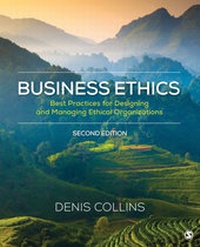
Business Ethics
Best Practices for Designing and Managing Ethical Organizations
2nd Edition
Published on 14. April 2018
Book
Paperback/Softback
608 pages
978-1-5063-8805-2 (ISBN)
Description
Now with SAGE Publishing, Business Ethics: Best Practices for Designing and Managing Ethical Organizations, Second Edition focuses on how to create organizations of high integrity and superior performance. Author Denis Collins shows how to design organizations that reinforce ethical behavior and reduce ethical risks using his unique Optimal Ethics Systems Model that outlines how to hire and train ethical employees, make ethical decisions, and create a trusting, productive work environment. Taking a practical approach, this text is packed with tips, strategies, and real-world case studies that profile a wide variety of businesses, industries, and issues.
More details
Other editions
Additional editions
Denis Collins
Business Ethics Interactive eBook for UK Territories
Best Practices for Designing and Managing Ethical Organizations
Book
08/2018
2nd Edition
SAGE Publications Ltd
€155.99
Article exhausted; check different version
Content
Preface
Acknowledgments
About the Author
PART I. AN INTRODUCTION TO BUSINESS ETHICS
1. Unethical Behaviors in Organizations and Human Nature
Chapter Outline
Learning Objectives
What Would You Do? - Budget Estimates
Ethical Issues at Work
Costs Associated With Unethical Behaviors
Competitive Advantages of Ethical Organizations
Human Nature
Cognitive and Moral Development
Why Do Good People Behave Unethically?
Summary
Key Words
Chapter Questions
Digital Resources
2. The Evolution of Business Ethic
Chapter Outline
Learning Objectives
What Would You Do? - International Arrangements
The Historical Flow of Civilization and Business Ethics
Freedom, Rights, and the Ethics of Capitalism
Business Ethics Under Capitalism
Extent of Social Responsibilities
From Regulation to Ethical Encouragements
The Optimal Ethics Systems Model Work Culture
Summary
Key Words
Chapter Questions
Digital Resources
PART II. ONBOARDING AND TRAINING
3. Hiring Ethical People
Chapter Outline
Learning Objectives
What Would You Do? - Resume Information
Importance of an Ethics Screen
The Six-Step Ethics Job Screen Process
Step 1: Ethics Screen Notice
Step 2: Legal Ground Rules
Step 3: Behavioral Information
Step 4: Personality Traits and Related Characteristics
Step 5: Interview Questions
Step 6: Post-Interview Tests
Summary
Key Words
Chapter Questions
Digital Resources
4. CODES OF ETHICS AND CODES OF CONDUCT
Chapter Outline
Learning Objectives
What Would You Do? - Double Standard
Difference Between a Code of Ethics and a Code of Conduct
Purpose and Importance of Codes
Code of Ethics
Code of Conduct
Implementing an Effective Code Communication Strat
Annual Code of Ethics Assessment
Summary
Key Words
Chapter Questions
Digital Resources
5. ETHICAL DECISION MAKING
Chapter Outline
Learning Objectives
What Would You Do? - Dismissal and Promotion Politics
Ethical Behavior Model
Systematic Rational Ethical Decision-Making Process
The Six Ethical Theories
Reaching a Moral Conclusion: Volkswagen
Persuading Others
Ten "Ethical Hazard Approaching" Signs
Summary
Key Words
Chapter Questions
Digital Resources
6. ETHICS TRAINING
Chapter Outline
Learning Objectives
What Would You Do? - Damage Claims
Building Awareness, Trust, and a High-Integrity Work Culture
Organization Ethical
Code of Conduct Workshops
Ethical Decision-Making Workshops
Ethical Self-Awareness Workshops
Assessing the Ethics Training Workshops
Summary
Key Words
Chapter Questions
Digital Resources
7. RESPECTING EMPLOYEE DIVERSITY
Chapter Outline
Learning Objectives
What Would You Do? - Advice
Four Dimensions of Diversity
History of Ethnic and Religious Diversity and Discrimination
Workplace Discrimination
Diversity Management
Diversity Training Workshops
Summary
Key Words
Chapter Questions
Digital Resources
PART III. MANAGING INTERNAL OPERATIONS
8. ETHICS REPORTING SYSTEMS
Chapter Outline
Learning Objectives
What Would You Do? - Signed or Anonymous
Employee Silence on Ethical Misconduct
Ethically Approachable Managers
Ethics Point Person
Ethics Assist Lines
Whistleblowing Encouraged by Government
Summary
Key Words
Chapter Questions
Digital Resources
9. MANAGERS AS ETHICAL LEADERS AND PERFORMANCE ASSESSMENTS
Chapter Outline
Learning Objectives
What Would You Do? - Work Credit
Managerial Role Modeling and Leadership Styles
Ethical Leadership
Goals Fostering Ethical Behaviors
Ethical Employee Performance Appraisals
Disciplining Ethical Violations
Summary
Key Words
Chapter Questions
Digital Resources
10. ETHICALLY ENGAGING AND EMPOWERING EMPLOYEES
Chapter Outline
Learning Objectives
What Would You Do? - Unproductive Senior Manager
Extent and Benefits of Employee Engagement
Ethically Engaging Employees
Ethically Empowering Employees
Empowering Through Teams
Empowering Through Group-Based Financial Incentives
Summary
Key Words
Chapter Questions
Digital Resources
PART IV. BEING AN ETHICAL CITIZEN IN A GLOBAL ECONOMY
11. ENVIRONMENTAL MANAGEMENT
Chapter Outline
Learning Objectives
What Would You Do? - Environmentally Friendly Cabinets
Environmental Trends and Climate Change
Governmental and Other Responses
Competitive Advantages of Being Eco-Friendly
Going Green Companies
Managing the Environmental Change Process
Green Organization Features
Green Operations: Design and Assessments
Summary
Key Words
Chapter Questions
Digital Resources
12. COMMUNITY OUTREACH AND RESPECT
Chapter Outline
Learning Objectives
What Would You Do? - Beyond Legal Compliance
Business Case for Community Involvement
Managing Stakeholders
Philanthropy and Volunteerism
Work-Life Balance and Social Entrepreneurship
International Corporate Citizenship
Assessment and Reporting
Summary
Key Words
Chapter Questions
Digital Resources
PART V. CASES
CASE 1: The Inordinate Power of Big Pharma
CASE 2: Philanthrocapitalism: Billionaires Give Back, Their Way
CASE 3: The Corporate Data Breach of Ashley Madison
CASE 4: Legalizing Marijuana in the United States
CASE 5: ExxonMobil and Climate Change: Increasing Profits and Misleading Shareholders
CASE 6: Taxes on Soda Pop: A Boon to Public Health or an Infringement of Individual Rights?
CASE 7: Rajat Gupta and Insider Trading
CASE 8: Deutsche Bank's Path Back to Profitability: From Corruption to Compliance
CASE 9: The NFL, NCAA, and Concussions: The Unethical Exploitation of Athletes
CASE 10: Monsanto: A Global Giant With a Giant Image Problem
CASE 11: The Pros and Cons of a Living Wage
CASE 12: The Foreign Corrupt Practices Act (FCPA): A Legal and Ethical Gray Area
CASE 13: Corporate Social Responsibility and the Fair-Trade Movement: How Fair Is Fair Trade?
CASE 14: The Volkswagen Diesel Emissions Scandal: An Expensive Corporate Ethics Debacle
CASE 15: Financial Fraud and Breach of Trust at Wells Fargo
Appendix
Glossary
Endnotes
Case Study Notes
Index
Acknowledgments
About the Author
PART I. AN INTRODUCTION TO BUSINESS ETHICS
1. Unethical Behaviors in Organizations and Human Nature
Chapter Outline
Learning Objectives
What Would You Do? - Budget Estimates
Ethical Issues at Work
Costs Associated With Unethical Behaviors
Competitive Advantages of Ethical Organizations
Human Nature
Cognitive and Moral Development
Why Do Good People Behave Unethically?
Summary
Key Words
Chapter Questions
Digital Resources
2. The Evolution of Business Ethic
Chapter Outline
Learning Objectives
What Would You Do? - International Arrangements
The Historical Flow of Civilization and Business Ethics
Freedom, Rights, and the Ethics of Capitalism
Business Ethics Under Capitalism
Extent of Social Responsibilities
From Regulation to Ethical Encouragements
The Optimal Ethics Systems Model Work Culture
Summary
Key Words
Chapter Questions
Digital Resources
PART II. ONBOARDING AND TRAINING
3. Hiring Ethical People
Chapter Outline
Learning Objectives
What Would You Do? - Resume Information
Importance of an Ethics Screen
The Six-Step Ethics Job Screen Process
Step 1: Ethics Screen Notice
Step 2: Legal Ground Rules
Step 3: Behavioral Information
Step 4: Personality Traits and Related Characteristics
Step 5: Interview Questions
Step 6: Post-Interview Tests
Summary
Key Words
Chapter Questions
Digital Resources
4. CODES OF ETHICS AND CODES OF CONDUCT
Chapter Outline
Learning Objectives
What Would You Do? - Double Standard
Difference Between a Code of Ethics and a Code of Conduct
Purpose and Importance of Codes
Code of Ethics
Code of Conduct
Implementing an Effective Code Communication Strat
Annual Code of Ethics Assessment
Summary
Key Words
Chapter Questions
Digital Resources
5. ETHICAL DECISION MAKING
Chapter Outline
Learning Objectives
What Would You Do? - Dismissal and Promotion Politics
Ethical Behavior Model
Systematic Rational Ethical Decision-Making Process
The Six Ethical Theories
Reaching a Moral Conclusion: Volkswagen
Persuading Others
Ten "Ethical Hazard Approaching" Signs
Summary
Key Words
Chapter Questions
Digital Resources
6. ETHICS TRAINING
Chapter Outline
Learning Objectives
What Would You Do? - Damage Claims
Building Awareness, Trust, and a High-Integrity Work Culture
Organization Ethical
Code of Conduct Workshops
Ethical Decision-Making Workshops
Ethical Self-Awareness Workshops
Assessing the Ethics Training Workshops
Summary
Key Words
Chapter Questions
Digital Resources
7. RESPECTING EMPLOYEE DIVERSITY
Chapter Outline
Learning Objectives
What Would You Do? - Advice
Four Dimensions of Diversity
History of Ethnic and Religious Diversity and Discrimination
Workplace Discrimination
Diversity Management
Diversity Training Workshops
Summary
Key Words
Chapter Questions
Digital Resources
PART III. MANAGING INTERNAL OPERATIONS
8. ETHICS REPORTING SYSTEMS
Chapter Outline
Learning Objectives
What Would You Do? - Signed or Anonymous
Employee Silence on Ethical Misconduct
Ethically Approachable Managers
Ethics Point Person
Ethics Assist Lines
Whistleblowing Encouraged by Government
Summary
Key Words
Chapter Questions
Digital Resources
9. MANAGERS AS ETHICAL LEADERS AND PERFORMANCE ASSESSMENTS
Chapter Outline
Learning Objectives
What Would You Do? - Work Credit
Managerial Role Modeling and Leadership Styles
Ethical Leadership
Goals Fostering Ethical Behaviors
Ethical Employee Performance Appraisals
Disciplining Ethical Violations
Summary
Key Words
Chapter Questions
Digital Resources
10. ETHICALLY ENGAGING AND EMPOWERING EMPLOYEES
Chapter Outline
Learning Objectives
What Would You Do? - Unproductive Senior Manager
Extent and Benefits of Employee Engagement
Ethically Engaging Employees
Ethically Empowering Employees
Empowering Through Teams
Empowering Through Group-Based Financial Incentives
Summary
Key Words
Chapter Questions
Digital Resources
PART IV. BEING AN ETHICAL CITIZEN IN A GLOBAL ECONOMY
11. ENVIRONMENTAL MANAGEMENT
Chapter Outline
Learning Objectives
What Would You Do? - Environmentally Friendly Cabinets
Environmental Trends and Climate Change
Governmental and Other Responses
Competitive Advantages of Being Eco-Friendly
Going Green Companies
Managing the Environmental Change Process
Green Organization Features
Green Operations: Design and Assessments
Summary
Key Words
Chapter Questions
Digital Resources
12. COMMUNITY OUTREACH AND RESPECT
Chapter Outline
Learning Objectives
What Would You Do? - Beyond Legal Compliance
Business Case for Community Involvement
Managing Stakeholders
Philanthropy and Volunteerism
Work-Life Balance and Social Entrepreneurship
International Corporate Citizenship
Assessment and Reporting
Summary
Key Words
Chapter Questions
Digital Resources
PART V. CASES
CASE 1: The Inordinate Power of Big Pharma
CASE 2: Philanthrocapitalism: Billionaires Give Back, Their Way
CASE 3: The Corporate Data Breach of Ashley Madison
CASE 4: Legalizing Marijuana in the United States
CASE 5: ExxonMobil and Climate Change: Increasing Profits and Misleading Shareholders
CASE 6: Taxes on Soda Pop: A Boon to Public Health or an Infringement of Individual Rights?
CASE 7: Rajat Gupta and Insider Trading
CASE 8: Deutsche Bank's Path Back to Profitability: From Corruption to Compliance
CASE 9: The NFL, NCAA, and Concussions: The Unethical Exploitation of Athletes
CASE 10: Monsanto: A Global Giant With a Giant Image Problem
CASE 11: The Pros and Cons of a Living Wage
CASE 12: The Foreign Corrupt Practices Act (FCPA): A Legal and Ethical Gray Area
CASE 13: Corporate Social Responsibility and the Fair-Trade Movement: How Fair Is Fair Trade?
CASE 14: The Volkswagen Diesel Emissions Scandal: An Expensive Corporate Ethics Debacle
CASE 15: Financial Fraud and Breach of Trust at Wells Fargo
Appendix
Glossary
Endnotes
Case Study Notes
Index