

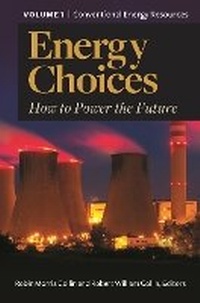
Energy Choices
How to Power the Future [2 volumes]
Published on 16. September 2014
Book
441 pages
978-0-313-39719-6 (ISBN)
Description
A must-read for anyone seeking to understand the complex issues surrounding energy generation and use, this one-of-a-kind resource clarifies everything from the basic structure of the industry to the potential-and risks-of new technologies.
Energy is a critical public concern in the 21st century, spurring demand for reliable, easy-to-understand information on subjects as varied as the drivers of prices, the potential for new technologies, the implications of a more diverse energy-supply portfolio, and the way government policies affect the energy marketplace. All of those issues and more are covered in this unique, two-volume compendium.
Traditional energy sources such as oil, coal, and natural gas are explored in volume one and new and emerging energy sources are addressed in volume two. Each chapter provides a brief history of the energy source, describes how it functions, and examines market issues, government regulations, and environmental and community impacts. The work discusses energy security and energy independence, efficiency standards, and carbon policy as well as consumer-focused technologies such as energy storage options, smart appliances and homes, and electric cars. Readers will come away from this guide with an understanding of the energy industry and an appreciation of the ways government, industry, and society can manage both risks and benefits.
Energy is a critical public concern in the 21st century, spurring demand for reliable, easy-to-understand information on subjects as varied as the drivers of prices, the potential for new technologies, the implications of a more diverse energy-supply portfolio, and the way government policies affect the energy marketplace. All of those issues and more are covered in this unique, two-volume compendium.
Traditional energy sources such as oil, coal, and natural gas are explored in volume one and new and emerging energy sources are addressed in volume two. Each chapter provides a brief history of the energy source, describes how it functions, and examines market issues, government regulations, and environmental and community impacts. The work discusses energy security and energy independence, efficiency standards, and carbon policy as well as consumer-focused technologies such as energy storage options, smart appliances and homes, and electric cars. Readers will come away from this guide with an understanding of the energy industry and an appreciation of the ways government, industry, and society can manage both risks and benefits.
Reviews / Votes
Recommended. All students and general readers. * Choice * Numerous contributors from a variety of backgrounds contribute thought-provoking essays raising issues of population, sustainability, national security, the role of government, and more, all of which impact both the global research and consumption of energy. . . . This set is recommended for general readers as well as students, high school and above. * ARBAonline *More details
Language
English
Place of publication
United States
Publishing group
Bloomsbury Publishing Plc
Target group
College/higher education
Professional and scholarly
Interest Age: From 7 to 17 years
Weight
1134 gr
ISBN-13
978-0-313-39719-6 (9780313397196)
Copyright in bibliographic data and cover images is held by Nielsen Book Services Limited or by the publishers or by their respective licensors: all rights reserved.
Schweitzer Classification
Other editions
Additional editions
E-Book
09/2014
1st Edition
Praeger Publishers Inc
from
€125.59
Available for download
E-Book
09/2014
1st Edition
Praeger Publishers Inc
€92.99
Available for download
Persons
Robin Morris Collin is professor of law at Willamette University College of Law.
Robert William Collin, JD, is a senior research scholar and adjunct professor of law at Willamette University.
Robert William Collin, JD, is a senior research scholar and adjunct professor of law at Willamette University.
Content
Preface
Acknowledgments
Introduction to Volume 2
1. Hydroelectric Energy
Brent Merrill
2. The Business Case for Wind Energy
Diane Henkels
3. Solar Energy
Elin Shepard
4. Geothermal Power
Joshua Mengers and Dan King
5. Biomass for Energy
Michael Lytton
6. Bioenergy and International Policies
Michael Lytton
7. Biofuels and Government Regulations
Michael Lytton
8. Ocean Renewable Energy: A Case for the Future of Energy
Jason Busch
9. Magnetic Energy
Robert William Collin
10. Environmental Challenges of Emerging Energy Choices
Robert William Collin
11. Environmental Justice Challenges of Emerging Energy Choices
Robert William Collin
12. Sustainability and Emerging Energy Sources
Robin Morris Collin
13. The Role of Government: Renewable Energy Sources
Robert William Collin
Appendix A: Acronyms and Specialized Terms
About the Editors and Contributors
Index
Acknowledgments
Introduction to Volume 2
1. Hydroelectric Energy
Brent Merrill
2. The Business Case for Wind Energy
Diane Henkels
3. Solar Energy
Elin Shepard
4. Geothermal Power
Joshua Mengers and Dan King
5. Biomass for Energy
Michael Lytton
6. Bioenergy and International Policies
Michael Lytton
7. Biofuels and Government Regulations
Michael Lytton
8. Ocean Renewable Energy: A Case for the Future of Energy
Jason Busch
9. Magnetic Energy
Robert William Collin
10. Environmental Challenges of Emerging Energy Choices
Robert William Collin
11. Environmental Justice Challenges of Emerging Energy Choices
Robert William Collin
12. Sustainability and Emerging Energy Sources
Robin Morris Collin
13. The Role of Government: Renewable Energy Sources
Robert William Collin
Appendix A: Acronyms and Specialized Terms
About the Editors and Contributors
Index