

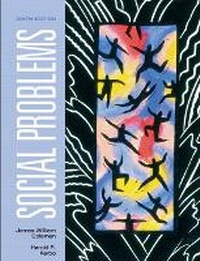
Social Problems
9th Edition
Published on 28. January 2005
Book
Paperback/Softback
600 pages
978-0-13-154053-8 (ISBN)
Description
For freshman- and sophomore-level courses in Social Problems.
Now in a concise, paperback format, this text's logical organization - essential concepts, troubled institutions, inequality, deviance, and global problems - helps students gain a coherent understanding of social problems. The Ninth Edition maintains the clear, straightforward style of writing for which this book has become known.
Now in a concise, paperback format, this text's logical organization - essential concepts, troubled institutions, inequality, deviance, and global problems - helps students gain a coherent understanding of social problems. The Ninth Edition maintains the clear, straightforward style of writing for which this book has become known.
More details
Edition
9th edition
Language
English
Place of publication
United States
Publishing group
Pearson Education (US)
Target group
Professional and scholarly
ISBN-13
978-0-13-154053-8 (9780131540538)
Copyright in bibliographic data and cover images is held by Nielsen Book Services Limited or by the publishers or by their respective licensors: all rights reserved.
Schweitzer Classification
Other editions
New editions
James William Coleman | Harold R. Kerbo
Social Problems, VangoBooks
Book
03/2008
10th Edition
Pearson
€87.89
Article is exhausted; no reprint
Content
1. Sociology and Social Problems.
What Is a Social Problem?
Social Problems and Social Movements.
Foundations of the Sociological Approach.
Sociological Perspectives on Social Problems.
Doing Sociological Research.
Interpreting Claims About Social Problems.
I. TROUBLED INSTITUTIONS.
2. Problems of the Family.
Families Around the World.
Understanding Family Diversity.
Family Problems.
Solving the Problems of the Family.
Sociological Perspectives on Problems of the Family.
3. Problems of Education.
Equal Educational Opportunity for All?
The Quality of Education.
Solving the Problems of Education.
Sociological Perspectives on Problems of Education.
4. Problems of the Economy.
The World Economy.
Understanding Our Economic System.
The New Economic Realities.
Solving the Problems of the Economy.
Sociological Perspectives on Problems of the Economy.
5. Problems of Government.
The Growth of Government.
Who Runs the Government?
The Dilemmas of Government.
Solving the Problems of Government.
Sociological Perspectives on Problems of Government.
6. Health and Illness.
Physical Illness.
Mental Disorders.
The Crisis in American Health Care.
Solving the Problems of Mental and Physical Health.
Sociological Perspectives on the Problems of Health and Health Care.
II. THE PROBLEMS OF INEQUALITY.
7. The Poor.
The Rich and the Poor: A Widening Gap.
Measuring Poverty.
The Life of Poverty.
Understanding the Welfare System.
Explanations of Poverty.
Solving the Problems of Poverty.
Sociological Perspectives on the Problems of the Poor.
8. The Ethnic Minorities.
Ethnic Groups.
Ethnic Minorities in North America.
Explaining Ethnic Inequality.
Solving the Problems of Ethnic Relations.
Sociological Perspectives on Problems of Ethnic Minorities.
9. The Old and the Young.
Aging and the Life Cycle.
Problems of the Young.
Problems of the Elderly.
The Graying of America.
Solving the Problems of the Young and the Old.
Sociological Perspectives on Problems of the Life Cycle.
10. Women and Men.
Gender Roles.
Gender Inequality.
Solving the Problems of Gender Inequality.
Sociological Perspectives on Problems of Gender.
III. CONFORMITY AND DEVIANCE.
11. Sexual Behavior.
Human Sexuality.
Contemporary Sexual Behavior.
Sexual Behavior and Social Problems.
Solving the Problems of Sexual Behavior.
Sociological Perspectives on Problems of Sexual Behavior.
12. Drug Use.
Drugs and Drug Addiction.
Why Use Drugs?
Drug Control in North America.
Solving the Drug Problem.
Sociological Perspectives on Drug Use.
13. Crime and Violence.
The Nature of Crime and Violence.
Measuring Crime and Violence.
The Causes of Crime and Violence.
Criminal Justice.
Solving the Problems of Crime and Violence.
Sociological Perspectives on Crime and Delinquency.
IV. PROBLEMS OF A CHANGING WORLD.
14. Urbanization.
Understanding Human Communities.
Problems of Urbanization.
Solving the Problems of Urbanization.
Sociological Perspectives on Problems of Urbanization.
15. Population.
What Caused the Population Explosion?
The Impact of Population Growth.
Migration.
Solving Population Problems.
Sociological Perspectives on Population.
16. The Environment.
Ecology.
The Human Impact.
Dwindling Resources.
Origins of the Environmental Crisis.
Solving Our Environmental Problems.
Sociological Perspectives on the Environment.
17. The Global Divide: Problems of International Inequality.
Globalization and Global Inequality.
Explaining the Global Divide.
Solving the Problems of Global Inequality.
Sociological Perspectives on the Global Divide.
18. Warfare, Terrorism and International Conflict.
The Nature of War.
Terrorism.
The Causes of Warfare.
Solving the Problems of Warfare and International Conflict.
The Prospects for the Future.
Sociological Perspectives on Warfare, Terrorism, and International Conflict.
Epilogue: Social Problems in the Twenty-First Century: Looking Forward and Looking Back.
What Is a Social Problem?
Social Problems and Social Movements.
Foundations of the Sociological Approach.
Sociological Perspectives on Social Problems.
Doing Sociological Research.
Interpreting Claims About Social Problems.
I. TROUBLED INSTITUTIONS.
2. Problems of the Family.
Families Around the World.
Understanding Family Diversity.
Family Problems.
Solving the Problems of the Family.
Sociological Perspectives on Problems of the Family.
3. Problems of Education.
Equal Educational Opportunity for All?
The Quality of Education.
Solving the Problems of Education.
Sociological Perspectives on Problems of Education.
4. Problems of the Economy.
The World Economy.
Understanding Our Economic System.
The New Economic Realities.
Solving the Problems of the Economy.
Sociological Perspectives on Problems of the Economy.
5. Problems of Government.
The Growth of Government.
Who Runs the Government?
The Dilemmas of Government.
Solving the Problems of Government.
Sociological Perspectives on Problems of Government.
6. Health and Illness.
Physical Illness.
Mental Disorders.
The Crisis in American Health Care.
Solving the Problems of Mental and Physical Health.
Sociological Perspectives on the Problems of Health and Health Care.
II. THE PROBLEMS OF INEQUALITY.
7. The Poor.
The Rich and the Poor: A Widening Gap.
Measuring Poverty.
The Life of Poverty.
Understanding the Welfare System.
Explanations of Poverty.
Solving the Problems of Poverty.
Sociological Perspectives on the Problems of the Poor.
8. The Ethnic Minorities.
Ethnic Groups.
Ethnic Minorities in North America.
Explaining Ethnic Inequality.
Solving the Problems of Ethnic Relations.
Sociological Perspectives on Problems of Ethnic Minorities.
9. The Old and the Young.
Aging and the Life Cycle.
Problems of the Young.
Problems of the Elderly.
The Graying of America.
Solving the Problems of the Young and the Old.
Sociological Perspectives on Problems of the Life Cycle.
10. Women and Men.
Gender Roles.
Gender Inequality.
Solving the Problems of Gender Inequality.
Sociological Perspectives on Problems of Gender.
III. CONFORMITY AND DEVIANCE.
11. Sexual Behavior.
Human Sexuality.
Contemporary Sexual Behavior.
Sexual Behavior and Social Problems.
Solving the Problems of Sexual Behavior.
Sociological Perspectives on Problems of Sexual Behavior.
12. Drug Use.
Drugs and Drug Addiction.
Why Use Drugs?
Drug Control in North America.
Solving the Drug Problem.
Sociological Perspectives on Drug Use.
13. Crime and Violence.
The Nature of Crime and Violence.
Measuring Crime and Violence.
The Causes of Crime and Violence.
Criminal Justice.
Solving the Problems of Crime and Violence.
Sociological Perspectives on Crime and Delinquency.
IV. PROBLEMS OF A CHANGING WORLD.
14. Urbanization.
Understanding Human Communities.
Problems of Urbanization.
Solving the Problems of Urbanization.
Sociological Perspectives on Problems of Urbanization.
15. Population.
What Caused the Population Explosion?
The Impact of Population Growth.
Migration.
Solving Population Problems.
Sociological Perspectives on Population.
16. The Environment.
Ecology.
The Human Impact.
Dwindling Resources.
Origins of the Environmental Crisis.
Solving Our Environmental Problems.
Sociological Perspectives on the Environment.
17. The Global Divide: Problems of International Inequality.
Globalization and Global Inequality.
Explaining the Global Divide.
Solving the Problems of Global Inequality.
Sociological Perspectives on the Global Divide.
18. Warfare, Terrorism and International Conflict.
The Nature of War.
Terrorism.
The Causes of Warfare.
Solving the Problems of Warfare and International Conflict.
The Prospects for the Future.
Sociological Perspectives on Warfare, Terrorism, and International Conflict.
Epilogue: Social Problems in the Twenty-First Century: Looking Forward and Looking Back.