

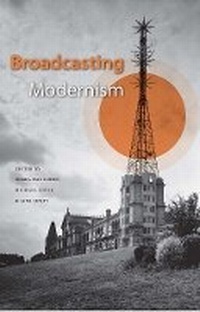
Broadcasting Modernism
Published on 30. July 2009
Book
Hardback
320 pages
978-0-8130-3349-5 (ISBN)
Description
It has long been accepted that film helped shape the modernist novel and that modernist poetry would be inconceivable without the typewriter. Yet radio, a key influence on modernist literature, remains the invisible medium. The contributors to ""Broadcasting Modernism"" argue that radio led to changes in textual and generic forms. Modernist authors embraced the emerging medium, creating texts that were to be heard but not read, incorporating the device into their stories, and using it to publicize their work. They saw in radio, the same spirit of experimentation that animated modernism itself. Because early broadcasts were rarely recorded, radio's influence on literary modernism often seems equally ephemeral in the historical record. ""Broadcasting Modernism"" helps fill this void, providing a new perspective for modernist studies even as it reconfigures the landscape of the era itself.
More details
Language
English
Place of publication
Florida
United States
Target group
Adult education
Dimensions
Height: 228 mm
Width: 154 mm
Thickness: 27 mm
Weight
612 gr
ISBN-13
978-0-8130-3349-5 (9780813033495)
Copyright in bibliographic data and cover images is held by Nielsen Book Services Limited or by the publishers or by their respective licensors: all rights reserved.
Schweitzer Classification
Persons
Debra Rae Cohen, assistant professor of English at the University of South Carolina, is the author of Remapping the Home Front: Locating Citizenship in British Women's Great War Fiction. Michael Coyle, professor of English at Colgate University, is the founding president of the Modernist Studies Association, and the author of Ezra Pound, Popular Genres, and the Discourse of Culture. Jane Lewty has published on radio and the work of Joyce, Woolf, and Pound.