

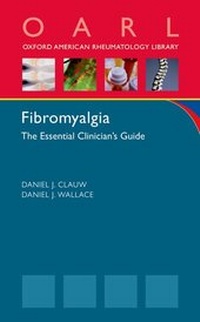
Fibromyalgia
1st Edition
Published on 29. July 2010
Book
Paperback/Softback
112 pages
978-0-19-538441-3 (ISBN)
Description
Characterized by chronic widespread pain, fibromyalgia presents complex problems in both its diagnosis and treatment. Fibromyalgia is a fairly common condition, affecting 2-4% of the population. The condition's prevalence has increased dramatically since 1990. The condition is not new, but has been known by various names, such as fibrositis and myofascial pain syndrome until 1990, when the American College of Rheumatology (ACR) published new classification criteria and first used the name fibromyalgia. The absence of objective diagnostic testing and the overlap with other condition often leads to a significant delay in diagnosis. There is a general misconception that the condition is unresponsive to treatment. However, published research shows that diagnosing and managing fibromyalgia leads to meaningful improvement in the patient's symptons and quality of life.
Patients with fibromyalgia often demonstrate symptons additional to pain and are consquently diagnosed with one or more co-occurring syndromes and conditions, complicating diagnosis and treatment. The comorbidities most commonly associated wtih fibromyalgia are sleep disturbance, depression, anxiety, and other psychiatric disorders. Another condition frequently demonstrated by fibromylgia patients is irritable bowel syndrome. Chronic fatigue syndrome also commonly co-occurs, and is often confused wtih fibromyalgia upon initial diagnosis. Numerous pharmacological therapy options exist to treat pain and related symptons of fibromyalgia. Achievement of desired treatment outcomes requires careful patient selection, drug administration and monitoring. Accurate diagnosis of chronic pain syndromes is critical, as some commonly used medications to treat many pain conditions are relatively ineffective wtih fibromyalgia.
Despite increasing recognition as a relatively common cause of chronic pain, fibromyalgia continues to generate controversy among clinicians. Given the intricate and challenging nature of treating fibromyalgia and comorbid disorders, it is imperative to educate primary care providers on the initial symptons, complications, and treatment strategies for fibromyalgia, as most patients with the condition will see a primary care provider for initial diagnosis/referral, and follow-up-care. In the years since the release of the ACR criteria, increasing recognition and advances in research have provided key insights into the etiology of fibromyalgia, resulting in the use of several successful pharmacological, as well as non-pharmacological, treatment approaches. However, despite the efforts of professional medical organizations and patient care groups, awareness of the current state of clinical assessment and treatment of fibromyalgia by healthcare professionals continues to be lacking.
This book is designed to provide a succint and practical guide to help primary care physicians, internists, specialists, and allied health professionals effectively diagnose and manage patients with fibromyalgia. This concise volume will provide an essential understanding of the pathophysiology of the pain, subtypes, and pitfalls in the diagnosis of this chronic condition.
Patients with fibromyalgia often demonstrate symptons additional to pain and are consquently diagnosed with one or more co-occurring syndromes and conditions, complicating diagnosis and treatment. The comorbidities most commonly associated wtih fibromyalgia are sleep disturbance, depression, anxiety, and other psychiatric disorders. Another condition frequently demonstrated by fibromylgia patients is irritable bowel syndrome. Chronic fatigue syndrome also commonly co-occurs, and is often confused wtih fibromyalgia upon initial diagnosis. Numerous pharmacological therapy options exist to treat pain and related symptons of fibromyalgia. Achievement of desired treatment outcomes requires careful patient selection, drug administration and monitoring. Accurate diagnosis of chronic pain syndromes is critical, as some commonly used medications to treat many pain conditions are relatively ineffective wtih fibromyalgia.
Despite increasing recognition as a relatively common cause of chronic pain, fibromyalgia continues to generate controversy among clinicians. Given the intricate and challenging nature of treating fibromyalgia and comorbid disorders, it is imperative to educate primary care providers on the initial symptons, complications, and treatment strategies for fibromyalgia, as most patients with the condition will see a primary care provider for initial diagnosis/referral, and follow-up-care. In the years since the release of the ACR criteria, increasing recognition and advances in research have provided key insights into the etiology of fibromyalgia, resulting in the use of several successful pharmacological, as well as non-pharmacological, treatment approaches. However, despite the efforts of professional medical organizations and patient care groups, awareness of the current state of clinical assessment and treatment of fibromyalgia by healthcare professionals continues to be lacking.
This book is designed to provide a succint and practical guide to help primary care physicians, internists, specialists, and allied health professionals effectively diagnose and manage patients with fibromyalgia. This concise volume will provide an essential understanding of the pathophysiology of the pain, subtypes, and pitfalls in the diagnosis of this chronic condition.
More details
Series
Language
English
Place of publication
New York
United States
Target group
College/higher education
Professional and scholarly
Pain medicine specialists, general pracitioners
Dimensions
Height: 122 mm
Width: 198 mm
Thickness: 8 mm
Weight
139 gr
ISBN-13
978-0-19-538441-3 (9780195384413)
Copyright in bibliographic data and cover images is held by Nielsen Book Services Limited or by the publishers or by their respective licensors: all rights reserved.
Schweitzer Classification
Other editions
Additional editions
Daniel Clauw | Daniel Wallace
Fibromyalgia
E-Book
04/2010
1st Edition
OUP eBook
€25.99
Available for download
Persons
Daniel J. Clauw, MD
Assistant Dean for Clinical and Translational Research, Professor of Internal, Medicine Director of Chronic Pain and Fatigue Center
University of Michigan Center for the Advancement of Clinical Research
Daniel J. Wallace, MD
Clinical Professor of Medicine
David Geffen School of Medicine at UCLA
Cedars-Sinai Medical Center
Assistant Dean for Clinical and Translational Research, Professor of Internal, Medicine Director of Chronic Pain and Fatigue Center
University of Michigan Center for the Advancement of Clinical Research
Daniel J. Wallace, MD
Clinical Professor of Medicine
David Geffen School of Medicine at UCLA
Cedars-Sinai Medical Center
Content
Chapter 1 History of fibromyalgia
Chapter 2 Definitions and classification
Chapter 3 Epidemiology
Chapter 4 Pathogenesis and basic science
Chapter 5 Clinical findings---symptoms and signs
Chapter 6 Laboratory and imaging correlates
Chapter 7 Clinical associations and subsets
Chapter 8 Differential diagnosis
Chapter 9 Methods of ascertainment used for clinical trials
Chapter 10 General concepts of treatment
Chapter 11 Medications used to manage fibromyalgia
Chapter 12 Economic impact and disability issues
Chapter 13 Prognosis
Chapter 14 Experimental and innovative therapies
Appendix Resource information
Chapter 2 Definitions and classification
Chapter 3 Epidemiology
Chapter 4 Pathogenesis and basic science
Chapter 5 Clinical findings---symptoms and signs
Chapter 6 Laboratory and imaging correlates
Chapter 7 Clinical associations and subsets
Chapter 8 Differential diagnosis
Chapter 9 Methods of ascertainment used for clinical trials
Chapter 10 General concepts of treatment
Chapter 11 Medications used to manage fibromyalgia
Chapter 12 Economic impact and disability issues
Chapter 13 Prognosis
Chapter 14 Experimental and innovative therapies
Appendix Resource information