

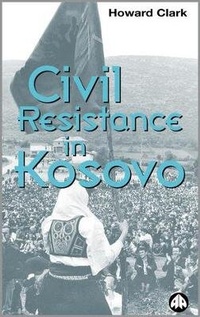
Civil Resistance in Kosovo
Published on 20. August 2000
Book
Hardback
288 pages
978-0-7453-1574-4 (ISBN)
Description
The world woke up to the conflict between Serbs and Kosovo Albanians too late - when Kosovo erupted into full-scale war in the spring of 1999. But many Balkans watchers were surprised war in Kosovo did not happen sooner. In Civil Resistance in Kosovo, Howard Clark argues that war had been avoided previously because of the self-restraint exercised by the Kosovo Albanians and their policy of nonviolence.
Prior to the Kosovo Liberation Army (KLA)'s taking up of arms, Kosovo Albanians had had a long history of civil resistance in the face of Serbian ultra-nationalism. They were committed to a strategy of nonviolent resistance even as they were harassed by Serbian police, vilified in racial terms, and excluded from jobs, education and government benefits. Excluded from the 1995 Dayton Agreement, Kosovo became a breeding ground for frustration and ethnic strife, ultimately leading to war and the NATO bombings.
The author traces the historical evolution of the Kosovo Albanians' struggle, from peaceful demonstrations to the KLA backlash, covering the 1980s to the present day. In assessing the achievements and limitations of nonviolence, Clark explains why the policy was ultimately abandoned and how it could have been made more effective. Importantly, this book draws on the lessons of Kosovo to provide suggestions for future peace-building.
Prior to the Kosovo Liberation Army (KLA)'s taking up of arms, Kosovo Albanians had had a long history of civil resistance in the face of Serbian ultra-nationalism. They were committed to a strategy of nonviolent resistance even as they were harassed by Serbian police, vilified in racial terms, and excluded from jobs, education and government benefits. Excluded from the 1995 Dayton Agreement, Kosovo became a breeding ground for frustration and ethnic strife, ultimately leading to war and the NATO bombings.
The author traces the historical evolution of the Kosovo Albanians' struggle, from peaceful demonstrations to the KLA backlash, covering the 1980s to the present day. In assessing the achievements and limitations of nonviolence, Clark explains why the policy was ultimately abandoned and how it could have been made more effective. Importantly, this book draws on the lessons of Kosovo to provide suggestions for future peace-building.
More details
Language
English
Place of publication
London
United Kingdom
Target group
College/higher education
Professional and scholarly
Product notice
Library binding
Illustrations
2 b&w maps
Dimensions
Height: 215 mm
Width: 135 mm
Weight
500 gr
ISBN-13
978-0-7453-1574-4 (9780745315744)
Copyright in bibliographic data and cover images is held by Nielsen Book Services Limited or by the publishers or by their respective licensors: all rights reserved.
Schweitzer Classification
Other editions
Additional editions
Howard Clark
Civil Resistance in Kosovo
E-Book
08/2000
1st Edition
Pluto Press
€122.99
Available for download
Person
Howard Clark was a coordinator for War Resisters' International and embedded in civil peace initiatives in Kosovo throughout the 1990s. He is a founder of the Balkan Peace Team, and the author of People Power (Pluto, 2009).
Content
Introduction
Notes on terms, pronunciation, glossary and acronyms
Background
Map
Chapter 1: Serbia - When a dam breaks
1. The demographic battlefield
2. After the fall of Rankovic
3. The rising swell of nationalism
4. Milosevic mobilises
5. Lazar's curse: 'Whoever does not fight at Kosovo'
Chapter 2: Albanians in Kosovo
1. The Ottoman Empire
2. The First World War and the First Yugoslavia
3. The Second World War
4. A resistant culture
5. Tito's Yugoslavia
6.. Concessions but no republic
7. 1981 and afterwards
8. An afterword on Communism in Kosovo
Chapter 3: The turn to nonviolence
1. Miners defend autonomy
2. The Party crumbles
3. Organisation and pluralism
4. The Campaign to Reconcile Blood Feuds
5. Military realism
6. Nonviolence in Kosovo Albanian identity
Chapter 4: Two sovereignties
1. A Serbian recipe for Albanian 'separatism'
2. Wholesale dismissals
3. Police and paramilitary
4. The contest for legitimacy
5. The electoral boycott
6. International support
7. Independence: a non-negotiable goal?
Chapter 5: Parallel structures
1. Schools in struggle
2. Open but illegal
3. The University of Prishtina
4. Funding education
5. The lesson taught
6. Medical care
7. The media
8. Arts and sport
9. Economic survival
10. Politics 'as if'
11. A state-in-embryo
Chapter 6: Pointers to an alternative
1. A strategy of empowerment
2. Altering Serbian will
3. New impulses: women
4. New impulses: youth
5. The Dayton effect
6. Contacts with Serb oppositionists
7. The student movement of 1997--98
Chapter 7: When the World Takes Notice
1. Diplomacy: The failure of prevention
2. Options for negotiation
3. A civil society approach
4. The crisis erupts
5. OSCE - too little, too late
6. Nato bombs for credibility
Chapter 8: Reflections on civil resistance
1. The balance sheet on nonviolence in Kosovo
2. Power and will
3. Victim behaviour
3. Leader syndromes
4. Goals and processes
5. Civil resistance and conflict resolution
6. Early warning, civil resistance and small nations
Postscript: Pristina, October 1999
Notes
Select bibliography
Index
Notes on terms, pronunciation, glossary and acronyms
Background
Map
Chapter 1: Serbia - When a dam breaks
1. The demographic battlefield
2. After the fall of Rankovic
3. The rising swell of nationalism
4. Milosevic mobilises
5. Lazar's curse: 'Whoever does not fight at Kosovo'
Chapter 2: Albanians in Kosovo
1. The Ottoman Empire
2. The First World War and the First Yugoslavia
3. The Second World War
4. A resistant culture
5. Tito's Yugoslavia
6.. Concessions but no republic
7. 1981 and afterwards
8. An afterword on Communism in Kosovo
Chapter 3: The turn to nonviolence
1. Miners defend autonomy
2. The Party crumbles
3. Organisation and pluralism
4. The Campaign to Reconcile Blood Feuds
5. Military realism
6. Nonviolence in Kosovo Albanian identity
Chapter 4: Two sovereignties
1. A Serbian recipe for Albanian 'separatism'
2. Wholesale dismissals
3. Police and paramilitary
4. The contest for legitimacy
5. The electoral boycott
6. International support
7. Independence: a non-negotiable goal?
Chapter 5: Parallel structures
1. Schools in struggle
2. Open but illegal
3. The University of Prishtina
4. Funding education
5. The lesson taught
6. Medical care
7. The media
8. Arts and sport
9. Economic survival
10. Politics 'as if'
11. A state-in-embryo
Chapter 6: Pointers to an alternative
1. A strategy of empowerment
2. Altering Serbian will
3. New impulses: women
4. New impulses: youth
5. The Dayton effect
6. Contacts with Serb oppositionists
7. The student movement of 1997--98
Chapter 7: When the World Takes Notice
1. Diplomacy: The failure of prevention
2. Options for negotiation
3. A civil society approach
4. The crisis erupts
5. OSCE - too little, too late
6. Nato bombs for credibility
Chapter 8: Reflections on civil resistance
1. The balance sheet on nonviolence in Kosovo
2. Power and will
3. Victim behaviour
3. Leader syndromes
4. Goals and processes
5. Civil resistance and conflict resolution
6. Early warning, civil resistance and small nations
Postscript: Pristina, October 1999
Notes
Select bibliography
Index