

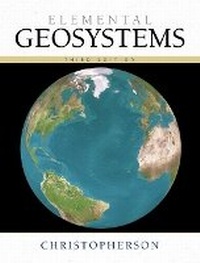
Elemental Geosystems
3rd Edition
Published on 29. December 2000
Book
Mixed media product
586 pages
978-0-13-055347-8 (ISBN)
Description
For Introductory Physical Geography courses.
Offering a briefer treatment of the elements of physical geography without sacrificing scientific content, Elemental Geosystems features a distinctive integration of human-Earth relationships, an applied flavor, and scientific correctness. Drawing on the readability, superior graphics, cartography, and scientific accuracy of its companion text, Geosystems: An Introduction to Physical Geography, Fourth Edition, Elemental Geosystems is written, organized, and illustrated to give students an accessible, systematic, and visually appealing start in physical geography.
Offering a briefer treatment of the elements of physical geography without sacrificing scientific content, Elemental Geosystems features a distinctive integration of human-Earth relationships, an applied flavor, and scientific correctness. Drawing on the readability, superior graphics, cartography, and scientific accuracy of its companion text, Geosystems: An Introduction to Physical Geography, Fourth Edition, Elemental Geosystems is written, organized, and illustrated to give students an accessible, systematic, and visually appealing start in physical geography.
More details
Edition
3rd edition
Language
English
Place of publication
United States
Publishing group
Pearson Education (US)
Target group
Professional and scholarly
Dimensions
Width: 276 mm
Thickness: 18 mm
Weight
1197 gr
ISBN-13
978-0-13-055347-8 (9780130553478)
Copyright in bibliographic data and cover images is held by Nielsen Book Services Limited or by the publishers or by their respective licensors: all rights reserved.
Schweitzer Classification
Other editions
New editions
Robert W. Christopherson
Elemental Geosystems
Book
06/2003
4th Edition
Pearson
€78.18
Article exhausted; check for reprint
Previous edition

Robert W. Christopherson
Elemental Geosystems
Book
09/1997
2nd Edition
Pearson
€39.60
Article exhausted; check for reprint
Content
(Note: Each Chapter includes Summary and Review.)
1. Foundations of Geography.
The Science of Geography. Earth Systems Concepts. Location and Time on Earth. Maps, Scales, and Projections. Remote Sensing and GIS.
I. THE ENERGY-ATMOSPHERE SYSTEM.
2. Solar Energy, Seasons, and the Atomosphere.
The Solar System, Sun, and Earth. Solar Energy: From Sun to Earth. The Seasons. Atmospheric Composition, Temperature, and Function. Variable Atmospheric Components.
3. Atmospheric Energy and Global Temperatures.
ssentials. Energy at Earths Surface. Temperature Concepts and Controls. Earths Temperature Patterns. The Urban Environment.
4. Atmospheric and Oceanic Circulation.
Wind Essentials. Driving Forces Within the Atmospheric. Atmospheric Patterns of Motion. Oceanic Currents.
II. WATER, WEATHER, AND CLIMATE SYSTEMS.
Atmospheric Water and Weather.
Water on Earth: Location and Properties. Humidity. Atmospheric Stability. Clouds and Fog. Air Masses. Atmospheric Lifting Mechanisms. Midlatitude Cyclonic Systems. Violent Weather.
6. Global Climate Systems.
Earths Climate System and Its Classification. Tropical Climates (A). Mesothermal Climates (C). Miscrothermal Climates (D). Polar Climates (E). Dry Arid and Semiarid Climates (B). Global Climate Change.
7. Water Resources.
The Hydrologic Cycle. Soil-Water-Budget Concept. Goundwater Resources. Our Water Supply.
III. EARTHS CHANGING LANDSCAPES.
8. The Dynamic Planet.
The Pace of Change. Earths Structure and Internal Energy. The Geologic Cycle. Plate Tectonics.
9. Earthquakes and Volcanoes.
Earths Surface Relief Features. Crustal Formation Processes. Crustal Deformation Processes. Orogenesis (Moutain Building). Earthquakes. Volcanism.
10. Weathering, Karst Landscapes, and Mass Movement.
Landmass Denudation. Weathering Processes. Karst Topography and Landscapes. Mass Movement Processes.
11. River Systems and Landforms.
Fluvial Processes and Landscapes. Streamflow Characteristics. Floods and River Management.
12. Wind Processes and Desert Landscapes.
The Work of Wind. Overview of Desert Landscapes.
13. The Oceans, Coastal Processes, and Landforms.
Global Oceans and Seas. Costal System Components. Coastel System Actions. Coastal Systems Outouts. Human Impact on Coastal Environments.
14. Glacial and Periglacial Landscapes.
Rivers of Ice. Glacial Processes. Glacial Landforms. Periglacial Landscapes. The Pleistocene Ice Age Epoch. Deciphering Past Climates: Paleoclimatology. Arctic and Anarctic Regions.
IV. BIOGEOGRAPHY.
15. The Geography of Soils.
Soil Characteristics. Soil Classification.
16. Ecosystems and Biomes.
Ecosystem Components and Cycles. Stability and Succession. Earths Major Terrestrial Biomes.
17. Earth, Humans, and the New Millennium.
The Human Count and the Future. An Oily Bird. The Need of International Cooperation. Twelve Paradigms for the Twenty-First Century. Who Speaks for Earth? Review Questions and Critical Thinking.
Appendix A Maps in This Text and Topographic Maps.
Appendix B The Canadian System of Soil Classification (CSSC).
Appendix C Common Conversions.
Glossary.
Index.
1. Foundations of Geography.
The Science of Geography. Earth Systems Concepts. Location and Time on Earth. Maps, Scales, and Projections. Remote Sensing and GIS.
I. THE ENERGY-ATMOSPHERE SYSTEM.
2. Solar Energy, Seasons, and the Atomosphere.
The Solar System, Sun, and Earth. Solar Energy: From Sun to Earth. The Seasons. Atmospheric Composition, Temperature, and Function. Variable Atmospheric Components.
3. Atmospheric Energy and Global Temperatures.
ssentials. Energy at Earths Surface. Temperature Concepts and Controls. Earths Temperature Patterns. The Urban Environment.
4. Atmospheric and Oceanic Circulation.
Wind Essentials. Driving Forces Within the Atmospheric. Atmospheric Patterns of Motion. Oceanic Currents.
II. WATER, WEATHER, AND CLIMATE SYSTEMS.
Atmospheric Water and Weather.
Water on Earth: Location and Properties. Humidity. Atmospheric Stability. Clouds and Fog. Air Masses. Atmospheric Lifting Mechanisms. Midlatitude Cyclonic Systems. Violent Weather.
6. Global Climate Systems.
Earths Climate System and Its Classification. Tropical Climates (A). Mesothermal Climates (C). Miscrothermal Climates (D). Polar Climates (E). Dry Arid and Semiarid Climates (B). Global Climate Change.
7. Water Resources.
The Hydrologic Cycle. Soil-Water-Budget Concept. Goundwater Resources. Our Water Supply.
III. EARTHS CHANGING LANDSCAPES.
8. The Dynamic Planet.
The Pace of Change. Earths Structure and Internal Energy. The Geologic Cycle. Plate Tectonics.
9. Earthquakes and Volcanoes.
Earths Surface Relief Features. Crustal Formation Processes. Crustal Deformation Processes. Orogenesis (Moutain Building). Earthquakes. Volcanism.
10. Weathering, Karst Landscapes, and Mass Movement.
Landmass Denudation. Weathering Processes. Karst Topography and Landscapes. Mass Movement Processes.
11. River Systems and Landforms.
Fluvial Processes and Landscapes. Streamflow Characteristics. Floods and River Management.
12. Wind Processes and Desert Landscapes.
The Work of Wind. Overview of Desert Landscapes.
13. The Oceans, Coastal Processes, and Landforms.
Global Oceans and Seas. Costal System Components. Coastel System Actions. Coastal Systems Outouts. Human Impact on Coastal Environments.
14. Glacial and Periglacial Landscapes.
Rivers of Ice. Glacial Processes. Glacial Landforms. Periglacial Landscapes. The Pleistocene Ice Age Epoch. Deciphering Past Climates: Paleoclimatology. Arctic and Anarctic Regions.
IV. BIOGEOGRAPHY.
15. The Geography of Soils.
Soil Characteristics. Soil Classification.
16. Ecosystems and Biomes.
Ecosystem Components and Cycles. Stability and Succession. Earths Major Terrestrial Biomes.
17. Earth, Humans, and the New Millennium.
The Human Count and the Future. An Oily Bird. The Need of International Cooperation. Twelve Paradigms for the Twenty-First Century. Who Speaks for Earth? Review Questions and Critical Thinking.
Appendix A Maps in This Text and Topographic Maps.
Appendix B The Canadian System of Soil Classification (CSSC).
Appendix C Common Conversions.
Glossary.
Index.