


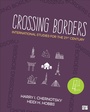
Crossing Borders
International Studies for the 21st Century
3rd Edition
Published on 20. April 2018
Book
Paperback/Softback
368 pages
978-1-5063-4692-2 (ISBN)
Description
Crossing Borders provides a framework for students built upon an understanding of the many borders that define the international system. Renowned authors Harry I. Chernotsky and Heidi H. Hobbs address many of the different fields that constitute international studies-geography, politics, economics, sociology, and anthropology-and give instructors a starting point from which they can pursue their own disciplinary interests.
Reviews / Votes
Crossing Borders is a very user-friendly text that is full of pressing global issues and current 21st century events highlighting the discipline of International Studies and key issues and challenges in the global arena from multiple perspectives. It highlights the relationship of history to the modern, global political economy and international relations therein. Further, this textbook pushes students to engage with the material and understand their position within this world calling for their pursuit of becoming a global citizen. -- Lesley Daspit Crossing Borders is the best textbook available for International Studies courses. It tackles complex global issues from a multidisciplinary perspective, doing so in a way that is both accessible and engaging for students. Most importantly, students come away with an understanding of how those issues impact their day-to-day lives, as well as how they can participate in the increasingly interconnected world around them as global citizens. -- Michael Makara Crossing Borders provides students with a wide area of coverage on different contemporary global problems, promotes critical thinking, and offers various perspectives to consider. I would recommend to faculty in political science - especially the ones teaching global issues. Its strengths include the wide area of coverage, writing style, and engaging features for students. -- Pajo BoraMore details
Edition
3rd Revised edition
Language
English
Place of publication
Washington
United States
Publishing group
SAGE Publications Inc
Target group
College/higher education
Edition type
Revised edition
Dimensions
Height: 254 mm
Width: 203 mm
Weight
740 gr
ISBN-13
978-1-5063-4692-2 (9781506346922)
Copyright in bibliographic data and cover images is held by Nielsen Book Services Limited or by the publishers or by their respective licensors: all rights reserved.
Schweitzer Classification
Other editions
New editions
Book
10/2021
4th Edition
CQ Press
€141.50
Article exhausted; check for reprint
Previous edition

Book
04/2015
2nd Edition
SAGE Publications Inc
€99.36
Article exhausted; check for reprint
Persons
Harry I. Chernotsky is Professor in the Department of Global Studies at the University of North Carolina at Charlotte and served as the founding chair of the department from 2009-2016. Previous positions included Director of International Studies and Interim Associate Dean of the College of Arts & Sciences. He is the recipient of UNC Charlotte's Bank of America Teaching Excellence Award and its International Education Faculty Award. Chernotsky received his Ph.D. in Political Science from Rutgers University and specializes in international political economy and American foreign policy. He is co-author (with Heidi Hobbs) of Crossing Borders: International Studies for the 21st Century (about to enter its 4th edition) and has published in a wide range of professional journals. He has also been a leader in international studies education. In addition to spearheading numerous initiatives at UNC Charlotte, including the development of the Model United Nations program and the interdisciplinary International Studies major, he was Director of the North Carolina Great Decisions public affairs series for many years. He has served as President of the Southern region of the International Studies Association (ISA) and as Chair of ISA's International Education section. He lectures widely on international affairs and consults on international education issues and programming. In recent years, he has been Scholar in Residence at Florida Atlantic University's Osher Lifelong Learning Institute and has worked closely with the University of Cantabria (Spain) on a global studies certificate project. Heidi H. Hobbs is the director of the Master of International Studies program and an associate professor of political science in the School of Public and International Affairs at North Carolina State University. She has a PhD in international relations from the University of Southern California.
Content
About the Authors
Preface
Acknowledgments
List of Tables, Figures, and Maps
Chapter 1. Getting Your Global Bearings: Navigating the World
Learning Objectives
Toward a Working Definition of International Studies
Different Ways of Looking at the World's Borders
The Evolution of Globalization
Globalization: Winners and Losers
The Changing Definition of Citizenship in a Global Era
Where Do We Go from Here?
Key Concepts
To Learn More
Chapter 2. Point of Departure: Planet Earth
Learning Objectives
Getting Our Heads around the Earth: Geography as a Field of Study
Where We Live
Population Management
Food and Hunger
Energy Security
The Human Factor: Contributing to the Problem?
The Global Response
What Can You Do?
Key Concepts
To Learn More
Chapter 3. Jump-Starting the Trip: The Role of Technology
Learning Objectives
The Technological Frontier
Enter the Computer
The Role of Technology in Crossing Borders
A Final Thought on Technology Prior to the Journey
Key Concepts
To Learn More
Chapter 4. Searching for Security: The Political World
Learning Objectives
Defining Political Borders: The Origins of the Modern State System
The Balance of Power System: Its Failures and the Outbreak of War
The Cold War
The Post-Cold War World
Conclusion: The Quest for Security
Key Concepts
To Learn More
Chapter 5. Challenges to Security
Learning Objectives
Conflict in the Middle East: Israel and Palestine
Weapons of Mass Destruction
Terrorism
What Can Be Done?
Key Concepts
To Learn More
Chapter 6. Seeking Prosperity: The Global Economy
Learning Objectives
Defining Economic Borders: A Very Short History
The Bretton Woods System
Beyond Bretton Woods: The Roots of Contemporary Globalization
Emerging Economic Centers
Key Players in Transition
Conclusion: The Evolution of the World Economy
Key Concepts
To Learn More
Chapter 7. Challenges to Prosperity
Learning Objectives
Free versus Fair Trade
Transnational Investment: Blessing or Curse?
Finance and Aid: Promoting or Hindering Development?
What Can Be Done?
Key Concepts
To Learn More
Chapter 8. Protecting Identity: The People of the World
Learning Objectives
Cultural and Social Borders: Understanding Identity
The Age of Enlightenment
Social Borders
The Study of Social and Cultural Borders
Globalization: Homogenization or Hybridization?
Conclusion: Identity at the Crossroads
Key Concepts
To Learn More
Chapter 9. Challenges to Identity
Learning Objectives
The Role of Religion
Ethnic Conflict
Fragile States
What Can Be Done?
Key Concepts
To Learn More
Chapter 10. Managing the World: Cooperation at the Global Level
Learning Objectives
Defining the Global Order: International Law and Organizations
The United Nations
Interdependence and Regional Intergovernmental Organizations
Nongovernmental Organizations
The Evolution of the United Nations and Civil Society
The Expansion of International Law and the International Criminal Court
Conclusion: Compliance and Enforcement
Key Concepts
To Learn More
Chapter 11. Challenges to Cooperation
Learning Objectives
Poverty
Global Health and the Threat of Disease
Human Rights
What Can Be Done?
Key Concepts
To Learn More
Chapter 12. Connecting to the World: Where Do You Go from Here?
Learning Objectives
International Studies beyond the Classroom
International Career Opportunities
Educational Options
Conclusion: Where Do You Go from Here?
Key Concepts
To Learn More
Notes
Index
Preface
Acknowledgments
List of Tables, Figures, and Maps
Chapter 1. Getting Your Global Bearings: Navigating the World
Learning Objectives
Toward a Working Definition of International Studies
Different Ways of Looking at the World's Borders
The Evolution of Globalization
Globalization: Winners and Losers
The Changing Definition of Citizenship in a Global Era
Where Do We Go from Here?
Key Concepts
To Learn More
Chapter 2. Point of Departure: Planet Earth
Learning Objectives
Getting Our Heads around the Earth: Geography as a Field of Study
Where We Live
Population Management
Food and Hunger
Energy Security
The Human Factor: Contributing to the Problem?
The Global Response
What Can You Do?
Key Concepts
To Learn More
Chapter 3. Jump-Starting the Trip: The Role of Technology
Learning Objectives
The Technological Frontier
Enter the Computer
The Role of Technology in Crossing Borders
A Final Thought on Technology Prior to the Journey
Key Concepts
To Learn More
Chapter 4. Searching for Security: The Political World
Learning Objectives
Defining Political Borders: The Origins of the Modern State System
The Balance of Power System: Its Failures and the Outbreak of War
The Cold War
The Post-Cold War World
Conclusion: The Quest for Security
Key Concepts
To Learn More
Chapter 5. Challenges to Security
Learning Objectives
Conflict in the Middle East: Israel and Palestine
Weapons of Mass Destruction
Terrorism
What Can Be Done?
Key Concepts
To Learn More
Chapter 6. Seeking Prosperity: The Global Economy
Learning Objectives
Defining Economic Borders: A Very Short History
The Bretton Woods System
Beyond Bretton Woods: The Roots of Contemporary Globalization
Emerging Economic Centers
Key Players in Transition
Conclusion: The Evolution of the World Economy
Key Concepts
To Learn More
Chapter 7. Challenges to Prosperity
Learning Objectives
Free versus Fair Trade
Transnational Investment: Blessing or Curse?
Finance and Aid: Promoting or Hindering Development?
What Can Be Done?
Key Concepts
To Learn More
Chapter 8. Protecting Identity: The People of the World
Learning Objectives
Cultural and Social Borders: Understanding Identity
The Age of Enlightenment
Social Borders
The Study of Social and Cultural Borders
Globalization: Homogenization or Hybridization?
Conclusion: Identity at the Crossroads
Key Concepts
To Learn More
Chapter 9. Challenges to Identity
Learning Objectives
The Role of Religion
Ethnic Conflict
Fragile States
What Can Be Done?
Key Concepts
To Learn More
Chapter 10. Managing the World: Cooperation at the Global Level
Learning Objectives
Defining the Global Order: International Law and Organizations
The United Nations
Interdependence and Regional Intergovernmental Organizations
Nongovernmental Organizations
The Evolution of the United Nations and Civil Society
The Expansion of International Law and the International Criminal Court
Conclusion: Compliance and Enforcement
Key Concepts
To Learn More
Chapter 11. Challenges to Cooperation
Learning Objectives
Poverty
Global Health and the Threat of Disease
Human Rights
What Can Be Done?
Key Concepts
To Learn More
Chapter 12. Connecting to the World: Where Do You Go from Here?
Learning Objectives
International Studies beyond the Classroom
International Career Opportunities
Educational Options
Conclusion: Where Do You Go from Here?
Key Concepts
To Learn More
Notes
Index