

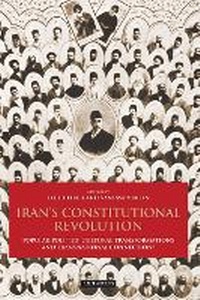
Iran's Constitutional Revolution
Popular Politics, Cultural Transformations and Transnational Connections
Published on 17. November 2022
Book
Paperback/Softback
536 pages
978-0-7556-4923-5 (ISBN)
Description
Born out of a fundamental tension between the old-fashioned and inadequate Qajar monarchy of Mozaffar al-Din Sah and Mohammad Ali Shah, and new reformist democratic ideals, the Iranian Constitutional Revolution of 1906 represents a pivotal moment in the formation of modern Iran. The collapse of the state through financial indigence and foreign pressure - which in the end also consumed the new regime - created a vacuum, which became the subject of many different visions. These included the anti-constitutionalist arguments of Fazlollah Nuri; the moderate Shi'i vision of Tabatabai'I; the more gradualist secular approach of bureaucrats such as Sani-e Dowleh and Nasser Al-Molk; the various radical visions of Taqizadeh and Sattar Khan, as well as the Bakhtiaris. What were the reformists' various aims and how much did they accomplish in the years before Reza Shah seized power? How do events in Iran compare with similar uprisings in other parts of the world? And what role does the Constitutional Revolution continue to play in defining Iranian self-identity?
This important and authoritative new book explores all the many different facets of the Revolution, drawing on newly available sources as well as cutting edge research from around the globe to present a definitive account.
This important and authoritative new book explores all the many different facets of the Revolution, drawing on newly available sources as well as cutting edge research from around the globe to present a definitive account.
More details
Language
English
Place of publication
United Kingdom
Publishing group
Bloomsbury Publishing PLC
Target group
College/higher education
Illustrations
42 integrated bw
Dimensions
Height: 234 mm
Width: 156 mm
ISBN-13
978-0-7556-4923-5 (9780755649235)
Copyright in bibliographic data and cover images is held by Nielsen Book Services Limited or by the publishers or by their respective licensors: all rights reserved.
Schweitzer Classification
Persons
Houchang E. Chehabi is Professor of International Relations and History at Boston University. His previous publications include Distant Relations: Iran and Lebanon in the Last 500 Years (I.B.Tauris), Iranian Politics and Religious Modernism: The Liberation Movement of Iran under the Shah and Khomeini and Politics, Society and Democracy: Comparative Studies (with Alfred Stepan). Vanessa Martin is Professor of Middle Eastern History at Royal Holloway, University of London. Her previous publications include Islam and Modernism: The Iranian Revolution of 1906, Creating an Islamic State: Khomeini and the Making of a New Iran and The Qajar Pact: Bargaining Protest and the State in Nineteenth Century Iran (all with I.B.Tauris).
Content
Acknowledgements - H. E. Chehabi and Vanessa Martin
Table of Contents
Contributors
A Note on Transliteration and Dates
Glossary of Persian and Arabic Terms
Introduction - Vanessa Martin
I - HISTORIOGRAPHY
1. Whose Revolution? Stakeholders and Stories of the 'Constitutional Movement' in Iran, 1905-1911
- Joanna de Groot
2. The Iranian Constitutional Revolution as lieu(x) de memoire: Sattar Khan
- Anja Pistor-Hatam
3. Introducing Georgian Sources for the Historiography of the Iranian Constitutional Revolution (1905-1911)
- Iago Gocheleishvili
II - STATE-BUILDING
4. Constitutional Rights and the Development of Civil Law in Iran, 1907-1941
- Ali Gheissari
5. The Constitutional Revolution, Popular Politics and State-Building in Iran
- Stephanie Cronin
6. Municipalities and Constitutionalism in Iran
- Reza Mokhtari Esfahani
III - CLASS, TRIBE, MYSTICS AND MINORITIES: IDEOLOGY AND BELIEF
7. Merchants, Class Identification Process and Constitutionalism
- Soheila Torabi Farsani
8. Tribes of the Homeland: The Bakhtiyari in the Revolutionary Press
- Arash Khazeni
9. Revolution and a High Ranking Sufi: Zahir al-Dowleh's Contribution to the
Constitutional Movement
- Lloyd Ridgeon
10. The Legal Status of Religious Minorities: Imami Shiite Law and Iran's
Constitutional Revolution
- Daniel Tsadik
IV - INTELLECTUAL AND ARTISTIC INITIATIVES: PUBLIC AWAKENING
11. The Rowshanfekr in the Constitutional Period: an Overview
- Mangol Bayat
12. Crafting Constitutionalism: An Iranian Secular Modernist Project
- Nahid Mozaffari
13. Readership, the Press and the Public Sphere in the First Constitutional Era
- Negin Nabavi
14. Writing in Tehran: The First Freedom of Press Law
- Pardis Minuchehr
15. Constitutional Revolution and Persian Dramatic Works: An Observation on Social Relations Criticism in the Plays of the Constitutional Era (1906-1911)
- Ali Miransari
16. National Identity and Photographs of the Constitutional Revolution
- Reza Sheikh
V - TRANSNATIONAL PERSPECTIVES
17. Mashrutiyat, Me?rutiyet, and Beyond: Intellectuals and the Constitutional Revolutions of 1905-12
- Charles Kurzman
18. Crafting Constitutional Narratives: Iranian and Young Turk Solidarity 1907-1909
- Farzin Vejdani
19. Constitutionalists Sans Frontieres: Iranian Constitutionalism and its Asian Connections
- Touraj Atabaki
20. Mashruteh and al-Nahda: The Iranian Constitutional Revolution in the Iranian Diaspora Press of Egypt and in Arab Reformist Periodicals
- Kamran Rastegar
21. The Iranian Constitutional Revolution as Reported in the Chinese Press
- Yidan Wang
22. Japan and the Iranian Constitutional Revolution
- Michael Penn
Epilogue
The Poetry of the Constitutional Revolution
- Homa Katouzian
Index
Table of Contents
Contributors
A Note on Transliteration and Dates
Glossary of Persian and Arabic Terms
Introduction - Vanessa Martin
I - HISTORIOGRAPHY
1. Whose Revolution? Stakeholders and Stories of the 'Constitutional Movement' in Iran, 1905-1911
- Joanna de Groot
2. The Iranian Constitutional Revolution as lieu(x) de memoire: Sattar Khan
- Anja Pistor-Hatam
3. Introducing Georgian Sources for the Historiography of the Iranian Constitutional Revolution (1905-1911)
- Iago Gocheleishvili
II - STATE-BUILDING
4. Constitutional Rights and the Development of Civil Law in Iran, 1907-1941
- Ali Gheissari
5. The Constitutional Revolution, Popular Politics and State-Building in Iran
- Stephanie Cronin
6. Municipalities and Constitutionalism in Iran
- Reza Mokhtari Esfahani
III - CLASS, TRIBE, MYSTICS AND MINORITIES: IDEOLOGY AND BELIEF
7. Merchants, Class Identification Process and Constitutionalism
- Soheila Torabi Farsani
8. Tribes of the Homeland: The Bakhtiyari in the Revolutionary Press
- Arash Khazeni
9. Revolution and a High Ranking Sufi: Zahir al-Dowleh's Contribution to the
Constitutional Movement
- Lloyd Ridgeon
10. The Legal Status of Religious Minorities: Imami Shiite Law and Iran's
Constitutional Revolution
- Daniel Tsadik
IV - INTELLECTUAL AND ARTISTIC INITIATIVES: PUBLIC AWAKENING
11. The Rowshanfekr in the Constitutional Period: an Overview
- Mangol Bayat
12. Crafting Constitutionalism: An Iranian Secular Modernist Project
- Nahid Mozaffari
13. Readership, the Press and the Public Sphere in the First Constitutional Era
- Negin Nabavi
14. Writing in Tehran: The First Freedom of Press Law
- Pardis Minuchehr
15. Constitutional Revolution and Persian Dramatic Works: An Observation on Social Relations Criticism in the Plays of the Constitutional Era (1906-1911)
- Ali Miransari
16. National Identity and Photographs of the Constitutional Revolution
- Reza Sheikh
V - TRANSNATIONAL PERSPECTIVES
17. Mashrutiyat, Me?rutiyet, and Beyond: Intellectuals and the Constitutional Revolutions of 1905-12
- Charles Kurzman
18. Crafting Constitutional Narratives: Iranian and Young Turk Solidarity 1907-1909
- Farzin Vejdani
19. Constitutionalists Sans Frontieres: Iranian Constitutionalism and its Asian Connections
- Touraj Atabaki
20. Mashruteh and al-Nahda: The Iranian Constitutional Revolution in the Iranian Diaspora Press of Egypt and in Arab Reformist Periodicals
- Kamran Rastegar
21. The Iranian Constitutional Revolution as Reported in the Chinese Press
- Yidan Wang
22. Japan and the Iranian Constitutional Revolution
- Michael Penn
Epilogue
The Poetry of the Constitutional Revolution
- Homa Katouzian
Index