

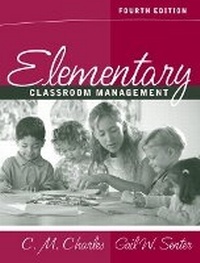
Elementary Classroom Management
4th Edition
Published on 3. June 2004
Book
Paperback/Softback
336 pages
978-0-205-41266-2 (ISBN)
Description
This text offers teachers a concise and applied guide to successfully managing the elementary school classroom within the context of new No Child Left Behind and standards-driven concerns.
Mindful of NCLB legislation, this teacher-friendly, standards-driven edition of Elementary Classroom Management examines issues and models of management concerns in 21st century elementary classrooms. Well-conceived classroom management helps establish positive environments and programs where communication, cooperation, and dedication to learning prevail. This book is designed to assist teachers, both novice and experienced, in developing and refining management skills that lead to learning and enjoyment in the classroom. While based upon proven research methods, the aim of the book is to provide clear, practical advice.
Mindful of NCLB legislation, this teacher-friendly, standards-driven edition of Elementary Classroom Management examines issues and models of management concerns in 21st century elementary classrooms. Well-conceived classroom management helps establish positive environments and programs where communication, cooperation, and dedication to learning prevail. This book is designed to assist teachers, both novice and experienced, in developing and refining management skills that lead to learning and enjoyment in the classroom. While based upon proven research methods, the aim of the book is to provide clear, practical advice.
More details
Edition
4th edition
Language
English
Place of publication
United States
Publishing group
Pearson Education (US)
Target group
Professional and scholarly
Dimensions
Width: 234 mm
Thickness: 15 mm
Weight
502 gr
ISBN-13
978-0-205-41266-2 (9780205412662)
Copyright in bibliographic data and cover images is held by Nielsen Book Services Limited or by the publishers or by their respective licensors: all rights reserved.
Schweitzer Classification
Other editions
New editions
C. M. Charles | Gail W. Senter
Elementary Classroom Management
Book
04/2007
5th Edition
Pearson
€91.79
Article exhausted; check for reprint
Previous edition
C. M. Charles | Gail W. Senter
Elementary Classroom Management
Book
12/2002
3rd Edition
Pearson
€64.56
Article exhausted; check for reprint
Persons
C. M. Charles is Professor Emeritus at San Diego State University, where he directed innovative programs in teacher education and received multiple distinguished teaching and outstanding professor awards. An international consultant, Charles is author of more than 25 books, including Building Classroom Discipline, the leading text in its field for 25 years.
Content
Each chapter begins with "Anticipation-Reaction Guide" and concludes with "Parting Thought," "Summary Self-Check," and "Activities for Reflection and Growth."
1. Classroom Management: Problems and Promises.
Janna Smart, A Beginning Teacher.
Haim Ginotts Story.
What Teachers Try to Accomplish, and How.
The Instructional Package: Content, Instruction through Experience, and Management.
Helping Janna Smart Get Things Right.
2. Laying Out the School Year.
How to Lay Out the Year.
Laying Out the Day.
Curriculum from the Management Perspective.
A Word About Individual Lessons.
3. Managing the Physical Environment of the Classroom.
The Pictures We Hold in Our Heads.
Six Facets of the Physical Environment.
4. Managing the Psychosocial Environment of the Classroom.
The Positive and Negative Sides of the Psychosocial Environment.
Toward an Optimal Psychosocial Environment.
A Quick Look at Looping.
Factors That Contribute to the Psychosocial Environment.
Teacher Responsibilities Concerning the Psychosocial Environment.
Student Responsibilities Concerning the Psychosocial Environment.
Maintaining the Psychosocial Environment.
5. Managing Student Motivation to Learn.
What Is Meant by Motivation?
Why People Don't Do What We Want Them To.
Motivation and Lessons.
What Does Motivate Students to Learn?
William Glasser and Understanding Motivation.
Howard Gardner and Understanding Motivation.
Fred Jones and Understanding Motivation.
Spencer Kagan and Understanding Motivation.
Personality Traits of Teachers Good at Motivation.
Good Motivators: What Do They Do?
What Good Classroom Motivators Don't Do.
What Are Some Cautions in Motivation?
6. Managing Instruction.
Curriculum and Instruction.
Instructional Approach: Direct Teaching.
Instructional Approach: Facilitative Teaching.
Instructional Approach: Technology-Assisted Teaching.
Instructional Approach: Differentiated Instruction.
7. Managing Students at Work.
Managing Work Routines.
Student Accountability and Criterion of Mastery.
Managing Homework.
Managing End-of-Day Closing.
Managing Student Assistants.
Managing Directions and Feedback.
Managing Other Class Matters.
8. Managing Special Groups.
The Legislation of Inclusion.
Disabilities that Qualify Children and Youth for Special Education Services.
The Concept of Inclusion.
Who Are the Special Groups?
Instructional Strategies for Individual Differences.
9. Managing Student Behavior.
How Serious I s Disruptive Behavior?
Is the Discipline Situation Hopeless?
The Movement Toward New Discipline.
What Major Authorities Say About Discipline.
Building a System of Participative Discipline.
10. Managing Assessment, Record Keeping, and Reporting.
The Push for Better Assessment and Reporting.
Records and Record Keeping.
Records Needed for Conferencing.
11. Managing Communication with Students, Caregivers, and Others.
The Value of Communication.
Uses of Communication.
The Four-Way Test.
Communicating with Students.
Communicating with Caregivers.
Communicating with Colleagues and Administrators.
12. Managing the Work of Other Adults: Paraprofessionals, Substitute Teachers, and Student Teachers.
Paraprofessionals.
Other Helpers in the Room.
What Requirements Must Be Met by Paraprofessionals and Volunteers?
How Many Paraprofessionals and Volunteers Are Needed?
What Are the Ground Rules for Paraprofessionals and Volunteers?
Training Paraprofessionals and Volunteers.
Assigning Space and Work Duties.
Maintaining Paraprofessionals Morale.
13. Managing Emotional Trauma and Job-Related Stress Productively.
Managing Emotions of Unexpected Events and Trauma.
Managing Job-Related Stress.
Activities that Produce Positive Stress.
14. It's Your Turn.
Pulling Everything Together.
Activities for Reflection and Growth.
Capstone Activity.
Parting Thought. Appendices.
Appendix A: Education Talk.
Appendix B: Professional Organizations.
Appendix C: Professional Journals.
Appendix D: Web Sites, Music, And Resource Books Of Interest.
Appendix E: U.S. State And Territory Departments Of Education.
Appendix F: Overseas Teaching Opportunities.
Appendix G: Comprehensive List Of References And Recommended Readings.
1. Classroom Management: Problems and Promises.
Janna Smart, A Beginning Teacher.
Haim Ginotts Story.
What Teachers Try to Accomplish, and How.
The Instructional Package: Content, Instruction through Experience, and Management.
Helping Janna Smart Get Things Right.
2. Laying Out the School Year.
How to Lay Out the Year.
Laying Out the Day.
Curriculum from the Management Perspective.
A Word About Individual Lessons.
3. Managing the Physical Environment of the Classroom.
The Pictures We Hold in Our Heads.
Six Facets of the Physical Environment.
4. Managing the Psychosocial Environment of the Classroom.
The Positive and Negative Sides of the Psychosocial Environment.
Toward an Optimal Psychosocial Environment.
A Quick Look at Looping.
Factors That Contribute to the Psychosocial Environment.
Teacher Responsibilities Concerning the Psychosocial Environment.
Student Responsibilities Concerning the Psychosocial Environment.
Maintaining the Psychosocial Environment.
5. Managing Student Motivation to Learn.
What Is Meant by Motivation?
Why People Don't Do What We Want Them To.
Motivation and Lessons.
What Does Motivate Students to Learn?
William Glasser and Understanding Motivation.
Howard Gardner and Understanding Motivation.
Fred Jones and Understanding Motivation.
Spencer Kagan and Understanding Motivation.
Personality Traits of Teachers Good at Motivation.
Good Motivators: What Do They Do?
What Good Classroom Motivators Don't Do.
What Are Some Cautions in Motivation?
6. Managing Instruction.
Curriculum and Instruction.
Instructional Approach: Direct Teaching.
Instructional Approach: Facilitative Teaching.
Instructional Approach: Technology-Assisted Teaching.
Instructional Approach: Differentiated Instruction.
7. Managing Students at Work.
Managing Work Routines.
Student Accountability and Criterion of Mastery.
Managing Homework.
Managing End-of-Day Closing.
Managing Student Assistants.
Managing Directions and Feedback.
Managing Other Class Matters.
8. Managing Special Groups.
The Legislation of Inclusion.
Disabilities that Qualify Children and Youth for Special Education Services.
The Concept of Inclusion.
Who Are the Special Groups?
Instructional Strategies for Individual Differences.
9. Managing Student Behavior.
How Serious I s Disruptive Behavior?
Is the Discipline Situation Hopeless?
The Movement Toward New Discipline.
What Major Authorities Say About Discipline.
Building a System of Participative Discipline.
10. Managing Assessment, Record Keeping, and Reporting.
The Push for Better Assessment and Reporting.
Records and Record Keeping.
Records Needed for Conferencing.
11. Managing Communication with Students, Caregivers, and Others.
The Value of Communication.
Uses of Communication.
The Four-Way Test.
Communicating with Students.
Communicating with Caregivers.
Communicating with Colleagues and Administrators.
12. Managing the Work of Other Adults: Paraprofessionals, Substitute Teachers, and Student Teachers.
Paraprofessionals.
Other Helpers in the Room.
What Requirements Must Be Met by Paraprofessionals and Volunteers?
How Many Paraprofessionals and Volunteers Are Needed?
What Are the Ground Rules for Paraprofessionals and Volunteers?
Training Paraprofessionals and Volunteers.
Assigning Space and Work Duties.
Maintaining Paraprofessionals Morale.
13. Managing Emotional Trauma and Job-Related Stress Productively.
Managing Emotions of Unexpected Events and Trauma.
Managing Job-Related Stress.
Activities that Produce Positive Stress.
14. It's Your Turn.
Pulling Everything Together.
Activities for Reflection and Growth.
Capstone Activity.
Parting Thought. Appendices.
Appendix A: Education Talk.
Appendix B: Professional Organizations.
Appendix C: Professional Journals.
Appendix D: Web Sites, Music, And Resource Books Of Interest.
Appendix E: U.S. State And Territory Departments Of Education.
Appendix F: Overseas Teaching Opportunities.
Appendix G: Comprehensive List Of References And Recommended Readings.