

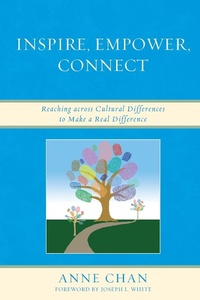
Inspire, Empower, Connect
Reaching across Cultural Differences to Make a Real Difference
Published on 16. January 2010
Book
Paperback/Softback
174 pages
978-1-60709-604-7 (ISBN)
Description
Mentoring is a hot buzzword these days. Unfortunately, although the word "mentoring" is used all the time, most people do not know what it means. This book fills that gap by describing and illustrating the essential practices of outstanding mentors. It provides a realistic look at mentoring by showing what goes on in a mentoring relationship and what mentors actually do with their proteges.
This book makes a unique contribution through its hands-on approach to the thorny issue of cross-racial and cross-cultural differences in mentoring relationships. The book shows how such differences can be handled successfully and can even enrich a mentoring relationship. Specific mentoring practices and their racial/cultural implications are presented and explained.
The book gives readers a clear sense of what they can do to mentor and make a real difference, even when their proteges are radically different from themselves.
This book makes a unique contribution through its hands-on approach to the thorny issue of cross-racial and cross-cultural differences in mentoring relationships. The book shows how such differences can be handled successfully and can even enrich a mentoring relationship. Specific mentoring practices and their racial/cultural implications are presented and explained.
The book gives readers a clear sense of what they can do to mentor and make a real difference, even when their proteges are radically different from themselves.
Reviews / Votes
In my role as an Ombuds in a diverse university setting, I am excited to have Anne Chan's excellent book, Inspire, Empower, Connect, available as a resource. Far too many individuals come to my office because of difficulties or disappointments with their mentors, and a good bit of the problem is that most mentors receive little or no structured training for or guidance about the role. This is especially true when it comes to learning the skills involved in mentoring someone from a different ethnic or cultural background. Anne Chan's book is an important contribution because it clearly conceptualizes and articulates the essential elements that define excellent mentoring and offers practical, sound advice for current or prospective mentors. Inspire, Empower, Connect will guide a new generation of culturally competent mentors in a wide variety of settings. -- David A. Rasch, University Ombuds, Stanford University Chan has provided a practical and insightful guide to mentoring that explains all the things mentors can do to connect effectively with ethnic minorities and people from diverse backgrounds. Most importantly, Chan demonstrates how race and culture can enrich a mentoring relationship and how mentors can work successfully through cultural differences. Not only does Chan demystify the process of mentoring, she lays it out step-by-step, providing helpful tips for how to connect with people of all ages from all walks of life. Chan also explains how institutions can provide support for mentoring to improve recruitment and retention rates of ethnic minorities. Whether you're an administrator, teacher, employer, advisor, or supervisor-this is a must-read guide to making a real difference in people's lives and in the quality of the work or school environment and increase diversity in the process." -- Horace Mitchell, president, California State University, Bakersfield Anne Chan urges mentors and mentees to address the elephant in the room. Talking with one another about their different racial/ethnic backgrounds and how these have shaped their experiences, outlooks, and ambitions-such conversations do indeed matter. Chan provides not only pointers for initiating these essential conversations but also dozens of helpful suggestions to increase mentors' competency and confidence. -- JoAnn Moody, national specialist in faculty development (www.diversityoncampus.com) Anne Chan's book reinforces the importance of our roles as mentors and provides guideline for how to deal with cultural differences, how to implement specific techniques when dealing with age differences, and how to model and encourage the setting of positive goals. AAUW Fremont Branch enthusiastically endorses this book as a resource for its own high school girls' mentorship program, because it serves as an extension of AAUW's mission to provide equity for women and girls through advocacy, education, philanthropy, and research. -- Board of Directors, American Association of University Women, Fremont Branch (http://www.aauwfremontbranch.org/) This book is a practical and evidence-based manual on how to be a good mentor and a good protege. It is based on systematic interviews with both mentors and proteges and observations of their interactions with each other. The findings are distilled into valuable tips about finding and enjoying a significant professional relationship. -- John Krumboltz, professor of education and psychology, Stanford University Anne Chan's book talks about the essentials of mentoring. Throughout the entire book, she gives case examples of specific mentoring practices, an explanation of why the practice matters as well as a section of practical strategies for implementing the practice with students of proteges. Advisors will find the practical strategies at the end of each chapter to be specifically applicable to their work with students.... This well-written book is easy to read with practical strategies that advisors can implement in their own advising work with their students. * NACADA Journal *More details
Language
English
Place of publication
United States
Publishing group
Bloomsbury Publishing Plc
Target group
Professional and scholarly
Product notice
Paperback (trade)
Dimensions
Height: 229 mm
Width: 152 mm
Thickness: 10 mm
Weight
245 gr
ISBN-13
978-1-60709-604-7 (9781607096047)
Copyright in bibliographic data and cover images is held by Nielsen Book Services Limited or by the publishers or by their respective licensors: all rights reserved.
Schweitzer Classification
Other editions
Additional editions
E-Book
01/2010
1st Edition
Rowman & Littlefield Education
€47.49
Available for download
E-Book
01/2010
1st Edition
Bloomsbury eBooks US
€47.49
Available for download
Person
Anne Chan is a mentoring consultant, a mentor, and a protege. She is dedicated to helping organizations and mentors create optimal mentoring relationships so all can achieve their dreams and potential.
Content
Part 1 Introduction
Chapter 2 The Big Picture: What Effective Mentoring Looks Like
Part 3 Establishing the Mentoring Relationship and Building Trust
Chapter 4 Giving Time
Chapter 5 Being Available
Chapter 6 Maintaining Good Communication
Chapter 7 Keeping Your Word
Chapter 8 Holistic Understanding
Chapter 9 Talking About Race And Culture
Chapter 10 Listening
Chapter 11 Providing emotional support
Chapter 12 Telling About Yourself
Chapter 13 Acknowledging Limitations
Chapter 14 Acknowledging and Repairing Mistakes
Chapter 15 Using Humor
Chapter 16 Giving Gifts
Part 17 Developing the Protege's Skills
Chapter 18 Discussing Dreams and Goals
Chapter 19 Building Skills
Chapter 20 Building Confidence With Positive Words
Chapter 21 Giving Quality Feedback
Chapter 22 Giving Practical Support
Chapter 23 Overcoming Self-Limiting Beliefs
Part 24 Facilitating the Protege's Socialization
Chapter 25 Being Proactive
Chapter 26 Providing Opportunities
Chapter 27 Role-Modeling
Chapter 28 Providing Access to the Inside Story
Chapter 29 Endorsing
Chapter 30 Building Community
Chapter 31 Protecting
Part 32 Institutions and Mentoring
Chapter 33 What Institutions Can Do to Support Outstanding Mentoring
Chapter 34 Conclusion
Chapter 2 The Big Picture: What Effective Mentoring Looks Like
Part 3 Establishing the Mentoring Relationship and Building Trust
Chapter 4 Giving Time
Chapter 5 Being Available
Chapter 6 Maintaining Good Communication
Chapter 7 Keeping Your Word
Chapter 8 Holistic Understanding
Chapter 9 Talking About Race And Culture
Chapter 10 Listening
Chapter 11 Providing emotional support
Chapter 12 Telling About Yourself
Chapter 13 Acknowledging Limitations
Chapter 14 Acknowledging and Repairing Mistakes
Chapter 15 Using Humor
Chapter 16 Giving Gifts
Part 17 Developing the Protege's Skills
Chapter 18 Discussing Dreams and Goals
Chapter 19 Building Skills
Chapter 20 Building Confidence With Positive Words
Chapter 21 Giving Quality Feedback
Chapter 22 Giving Practical Support
Chapter 23 Overcoming Self-Limiting Beliefs
Part 24 Facilitating the Protege's Socialization
Chapter 25 Being Proactive
Chapter 26 Providing Opportunities
Chapter 27 Role-Modeling
Chapter 28 Providing Access to the Inside Story
Chapter 29 Endorsing
Chapter 30 Building Community
Chapter 31 Protecting
Part 32 Institutions and Mentoring
Chapter 33 What Institutions Can Do to Support Outstanding Mentoring
Chapter 34 Conclusion