

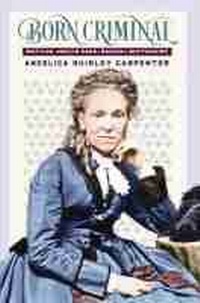
Born Criminal
Matilda Joslyn Gage, Radical Suffragist
Published on 20. September 2018
Book
Hardback
272 pages
978-1-941813-18-8 (ISBN)
Description
"All the crimes which I was not guilty of rushed through my mind. I failed to remember that I was born criminal - a woman." -Matilda Joslyn Gage.
Before 1920, most women in the United States could not vote. They had no voice in who created the laws or who set their taxes, which is why they fought for suffrage-the right to vote. This book is about one of the many important people in the woman suffrage movement. You may not have heard of her - she was nearly erased from history. Her name is Matilda Joslyn Gage (1826-1898), and she believed in liberty for all. Together with Susan B. Anthony and Elizabeth Cady Stanton, she founded the National Woman Suffrage Association in 1869. She spoke to thousands, including presidents, about asserting women's right to vote.
Matilda began life in a house on the Underground Railroad, and her early introduction to the movement to abolish slavery made her value all peoples. When Matilda was fourteen, she met Elizabeth Cady Stanton. At the age of twenty-six, Matilda spoke at her first suffrage convention in Syracuse, New York, where over two thousand people packed the city hall. When three of her grown children moved to Dakota Territory, Matilda took the suffrage cause west, traveling from town to town promoting her ideals. At the dedication of the Statue of Liberty in 1886, she even helped stage a protest. She argued that a woman could not represent liberty in a country where women were not guaranteed the right to vote.
Matilda's ideas were not always popular. She was seen as too radical in her call for equality in religion and politics. Elizabeth Cady Stanton and Susan B. Anthony both outlived Matilda and eliminated her from their own histories of the women's movement. By the time the Nineteenth Amendment to the United States' Constitution granted women nationwide the right to vote, Matilda Gage was all but forgotten-until now.
In Born Criminal, Angelica Shirley Carpenter details Matilda's life and recounts her contributions to the woman suffrage movement. Using Gage's own words, Carpenter shows how Stanton and Anthony distanced themselves from the movement's more revolutionary thinkers, cutting them from the historical record in order to depict a more conservative movement with themselves at the center.
Before 1920, most women in the United States could not vote. They had no voice in who created the laws or who set their taxes, which is why they fought for suffrage-the right to vote. This book is about one of the many important people in the woman suffrage movement. You may not have heard of her - she was nearly erased from history. Her name is Matilda Joslyn Gage (1826-1898), and she believed in liberty for all. Together with Susan B. Anthony and Elizabeth Cady Stanton, she founded the National Woman Suffrage Association in 1869. She spoke to thousands, including presidents, about asserting women's right to vote.
Matilda began life in a house on the Underground Railroad, and her early introduction to the movement to abolish slavery made her value all peoples. When Matilda was fourteen, she met Elizabeth Cady Stanton. At the age of twenty-six, Matilda spoke at her first suffrage convention in Syracuse, New York, where over two thousand people packed the city hall. When three of her grown children moved to Dakota Territory, Matilda took the suffrage cause west, traveling from town to town promoting her ideals. At the dedication of the Statue of Liberty in 1886, she even helped stage a protest. She argued that a woman could not represent liberty in a country where women were not guaranteed the right to vote.
Matilda's ideas were not always popular. She was seen as too radical in her call for equality in religion and politics. Elizabeth Cady Stanton and Susan B. Anthony both outlived Matilda and eliminated her from their own histories of the women's movement. By the time the Nineteenth Amendment to the United States' Constitution granted women nationwide the right to vote, Matilda Gage was all but forgotten-until now.
In Born Criminal, Angelica Shirley Carpenter details Matilda's life and recounts her contributions to the woman suffrage movement. Using Gage's own words, Carpenter shows how Stanton and Anthony distanced themselves from the movement's more revolutionary thinkers, cutting them from the historical record in order to depict a more conservative movement with themselves at the center.
More details
Language
English
Place of publication
Pierre
United States
Dimensions
Height: 229 mm
Width: 152 mm
ISBN-13
978-1-941813-18-8 (9781941813188)
Copyright in bibliographic data and cover images is held by Nielsen Book Services Limited or by the publishers or by their respective licensors: all rights reserved.
Schweitzer Classification
Person
Angelica Shirley Carpenter has master's degrees in education and library science from the University of Illinois and is the author or co-author of four illustrated biographies for young people. For sixteen years, she served as director of the Palm Springs Public library. As president of the Palm Beach County Library Association, she founded BookFest of the Palm Beaches, an annual literary festival. In 2011, she retired from the Arne Nixon Center for the Study of Children's Literature at California State University. Carpenter currently resides in Fresno, California, and is active in the International Wizard of Oz Club, the Robert Louis Stevenson Club, the Lewis Carroll Society of North America, Britain, and Canada, and the Society of Children's Book Writers and Illustrators.
Content
Acknowledgments
Introduction
1. Risking Arrest: July 4, 1876
2. A Family Secret: 1826-1836
3. Think for Yourself: 1837-1845
4. Defying the Law: 1845-1850
5. Bold and Daring: 1851-1852
6. A Woman of No Ordinary Talents: 1853-1854
7. Liberty for All: 1855-1865
8. The Negro's Hour?: 1866-1869
9. The National Woman Suffrage Association: 1869
10. Strong-Minded Women: 1869-1871
11. The United States on Trial: 1871-1873
12. To Us and Our Daughters Forever: 1873-1876
13. A Hundred Years Hence: July 1876
14. The History of Woman Suffrage: 1876-1878
15. The National Citizen and Ballot Box: 1878-1880
16. Fayetteville's First Woman Voter: 1880-1881
17. Intolerable Anxiety: 1881-1883
18. Broken Up: 1883-1884
19. A Courageous, Fateful Woman: 1884-1886
20. Protesting Lady Liberty: 1886
21. The International Council of Women: 1887-1888
22. Betrayed: 1888-1890
23. Witchcraft and Priestcraft: 1891-1893
24. Born Criminal: 1893-1894
25. The Woman's Bible: 1894-1897
26. That Word Is Liberty: 1897-1898
27. Erased from History: The Matilda Effect
Notes
Sources: An Annotated Bibliography
Questions
Activities
Author Interview
Introduction
1. Risking Arrest: July 4, 1876
2. A Family Secret: 1826-1836
3. Think for Yourself: 1837-1845
4. Defying the Law: 1845-1850
5. Bold and Daring: 1851-1852
6. A Woman of No Ordinary Talents: 1853-1854
7. Liberty for All: 1855-1865
8. The Negro's Hour?: 1866-1869
9. The National Woman Suffrage Association: 1869
10. Strong-Minded Women: 1869-1871
11. The United States on Trial: 1871-1873
12. To Us and Our Daughters Forever: 1873-1876
13. A Hundred Years Hence: July 1876
14. The History of Woman Suffrage: 1876-1878
15. The National Citizen and Ballot Box: 1878-1880
16. Fayetteville's First Woman Voter: 1880-1881
17. Intolerable Anxiety: 1881-1883
18. Broken Up: 1883-1884
19. A Courageous, Fateful Woman: 1884-1886
20. Protesting Lady Liberty: 1886
21. The International Council of Women: 1887-1888
22. Betrayed: 1888-1890
23. Witchcraft and Priestcraft: 1891-1893
24. Born Criminal: 1893-1894
25. The Woman's Bible: 1894-1897
26. That Word Is Liberty: 1897-1898
27. Erased from History: The Matilda Effect
Notes
Sources: An Annotated Bibliography
Questions
Activities
Author Interview