

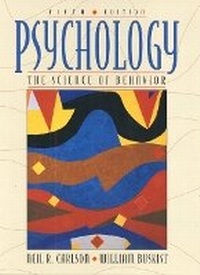
Psychology
The Science of Behavior
5th Edition
Published on 10. June 1997
Book
Hardback
683 pages
978-0-205-19345-5 (ISBN)
Description
The fifth edition of Carlson and Buskist's Psychology: The Science of Behavior reflects a careful revision that continues to treat the discipline as an experimental and natural science. The addition of co-author William Buskist in the fifth edition has strengthened one of the book's major themes, that behavior can best be understood in the context of its adaptive significance. It continues to combine a scholarly survey of research with applications of research results to problems that confront us today. Using the discovery method to take students inside the research process, Carlson and Buskist foster a critical understanding of the logic and significance behind experimental findings. This is featured prominently in special sections, "Evaluating Scientific Issues." The new edition also offers new and improved pedagogy, including a chapter preview and thought questions that follow each interim summary. Finally, it offers a new organization that emphasizes the biological underpinnings of behavior and continues to display a clarity of writing, level of scholarship, and quality of illustration that is unparalleled in the market.
More details
Edition
5th edition
Language
English
Place of publication
United States
Publishing group
Pearson Education (US)
Target group
Professional and scholarly
Dimensions
Height: 285 mm
Width: 223 mm
Thickness: 30 mm
Weight
1676 gr
ISBN-13
978-0-205-19345-5 (9780205193455)
Copyright in bibliographic data and cover images is held by Nielsen Book Services Limited or by the publishers or by their respective licensors: all rights reserved.
Schweitzer Classification
Other editions
New editions
Neil R. Carlson | Donald S. Heth | Harold L. Miller
Psychology
The Science of Behavior: United States Edition
Book
06/2006
6th Edition
Pearson
€147.30
Article is exhausted; no reprint
Previous edition

Book
01/1993
4th Edition
Allyn & Bacon
€53.42
Article exhausted; check different version
Content
1.The Science of Psychology.
What Is Psychology?
The Rise of Psychology as a Science.
Major Trends in the Development of Psychology.
2.The Ways and Means of Psychology.
The Scientific Method in Psychology.
Ethics.
Understanding Research Results.
3.Evolution, Heredity, and Behavior.
The Development of Evolutionary Theory.
Natural Selection and Evolution.
Heredity And Genetics.
Sociobiology.
4.Biology of Behavior.
The Brain and Its Components.
Study of the Brain.
Control of Behavior.
Control of Internal Functions and Automatic Behavior.
Drugs and Behavior.
5.Learning and Behavior.
Habituation.
Classical Conditioning.
Operant Conditioning.
Conditioning of Complex Behaviors.
6.Sensation.
Sensory Processing.
Vision.
Audition.
Gustation.
Olfaction.
The Somatosenses.
7.Perception.
Brain Mechanisms of Visual Perception.
Perception of Form.
8.Memory.
Sensory Memory.
Short Term or Working Memory.
Learning and Encoding in Long-Term Memory.
Organization of Long-Term Memory.
Remembering.
9.Consciousness.
Consciousness as a Social Phenomenon.
Selective Attention.
Consciousness and the Brain.
Hypnosis.
Sleep.
10.Language.
Speech and Comprehension.
Reading.
Language Acquisition by Children.
11.Intelligence and Thinking.
Theories of Intelligence.
Intelligence Testing.
The Roles of Heredity and Environment.
Thinking.
12.Lifespan Development.
Prenatal Development.
Physical and Perceptual Development in Infancy and Childhood.
Cognitive Development in Childhood.
Social Development in Childhood.
Development of Gender Roles.
Moral Development.
Adolescence.
Adulthood and Old Age.
13.Motivation and Emotion.
What is Motivation?
Eating.
Sexual Behavior.
Aggressive Behavior.
The Nature of Emotion.
Expression and Recognition of Emotions.
Feelings of Emotion.
14.Personality.
Trait Theories of Personality.
Psychobiological Approaches.
The Social Learning Approach.
The Psychodynamic Approach.
The Humanistic Approach.
Assessment Of Personality.
15.Social Psychology.
Social Cognition.
Attitudes and Their Formation.
Prejudice.
Social Influences and Group Behavior.
Interpersonal Attraction and Loving.
16.Lifestyle, Stress, and Health.
Cultural Evolution: Lifestyle Choices and Consequences.
Healthy and Unhealthy Lifestyles.
Unhealthy Lifestyles Are Preventable: Self-Control.
Stress and Health.
Coping with Everyday Stress.
17.The Nature and Causes of Mental Disorders.
Classification and Diagnosis.
Anxiety, Somatoform, and Dissociative Mental Disorders.
Personality Disorders.
Psychoactive Substance Use Disorders.
Schizophrenic Disorders.
Mood Disorders.
18.Treatment.
Mental Disorders and Psychotherapy.
Insight Therapies.
Behavior and Cognitive-Behavior Therapies.
Group Therapy and Community Psychology.
Biological Treatments.
Ethical and Legal Issues in Psychotherapy.
Selecting a Therapist.
What Is Psychology?
The Rise of Psychology as a Science.
Major Trends in the Development of Psychology.
2.The Ways and Means of Psychology.
The Scientific Method in Psychology.
Ethics.
Understanding Research Results.
3.Evolution, Heredity, and Behavior.
The Development of Evolutionary Theory.
Natural Selection and Evolution.
Heredity And Genetics.
Sociobiology.
4.Biology of Behavior.
The Brain and Its Components.
Study of the Brain.
Control of Behavior.
Control of Internal Functions and Automatic Behavior.
Drugs and Behavior.
5.Learning and Behavior.
Habituation.
Classical Conditioning.
Operant Conditioning.
Conditioning of Complex Behaviors.
6.Sensation.
Sensory Processing.
Vision.
Audition.
Gustation.
Olfaction.
The Somatosenses.
7.Perception.
Brain Mechanisms of Visual Perception.
Perception of Form.
8.Memory.
Sensory Memory.
Short Term or Working Memory.
Learning and Encoding in Long-Term Memory.
Organization of Long-Term Memory.
Remembering.
9.Consciousness.
Consciousness as a Social Phenomenon.
Selective Attention.
Consciousness and the Brain.
Hypnosis.
Sleep.
10.Language.
Speech and Comprehension.
Reading.
Language Acquisition by Children.
11.Intelligence and Thinking.
Theories of Intelligence.
Intelligence Testing.
The Roles of Heredity and Environment.
Thinking.
12.Lifespan Development.
Prenatal Development.
Physical and Perceptual Development in Infancy and Childhood.
Cognitive Development in Childhood.
Social Development in Childhood.
Development of Gender Roles.
Moral Development.
Adolescence.
Adulthood and Old Age.
13.Motivation and Emotion.
What is Motivation?
Eating.
Sexual Behavior.
Aggressive Behavior.
The Nature of Emotion.
Expression and Recognition of Emotions.
Feelings of Emotion.
14.Personality.
Trait Theories of Personality.
Psychobiological Approaches.
The Social Learning Approach.
The Psychodynamic Approach.
The Humanistic Approach.
Assessment Of Personality.
15.Social Psychology.
Social Cognition.
Attitudes and Their Formation.
Prejudice.
Social Influences and Group Behavior.
Interpersonal Attraction and Loving.
16.Lifestyle, Stress, and Health.
Cultural Evolution: Lifestyle Choices and Consequences.
Healthy and Unhealthy Lifestyles.
Unhealthy Lifestyles Are Preventable: Self-Control.
Stress and Health.
Coping with Everyday Stress.
17.The Nature and Causes of Mental Disorders.
Classification and Diagnosis.
Anxiety, Somatoform, and Dissociative Mental Disorders.
Personality Disorders.
Psychoactive Substance Use Disorders.
Schizophrenic Disorders.
Mood Disorders.
18.Treatment.
Mental Disorders and Psychotherapy.
Insight Therapies.
Behavior and Cognitive-Behavior Therapies.
Group Therapy and Community Psychology.
Biological Treatments.
Ethical and Legal Issues in Psychotherapy.
Selecting a Therapist.