

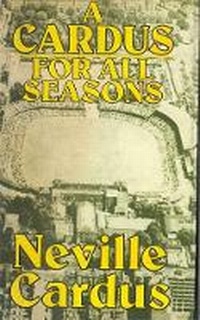
A Cardus for All Seasons
Published on 5. August 2013
Book
Paperback/Softback
238 pages
978-0-285-64247-8 (ISBN)
Description
Neville Cardus watched and chronicled cricket for over fifty years and no other writer has so understood (and was equipped to explore) the peculiar magic of this most English of games. His writing span cricket's changes, from the 1920's when it was run by amateurs, to the 1950's when the professionals took over. In this collection of writings (many previously unpublished in book form) we see how cricket reflected the atmosphere and spirit of each age, from the gusto left over from the Edwardian era, to a less romantic age. The Cardus style - whether romantic or satirical, laudatory or condemning - remains a joy to read while the criticisms he levelled at eras long gone remain just as relevant to the game as it is played today. Neville Cardus was Britain's greatest sports writer, his reports for the Guardian made sports journalism a source of vivid description and criticism rather than a purely factual account. Every sports writer since has been influenced by him, whether consciously or not.
More details
Edition
Main
Language
English
Place of publication
United Kingdom
Publishing group
Profile Books Ltd
Illustrations
black & white illustrations
Dimensions
Height: 205 mm
Width: 130 mm
Thickness: 12 mm
Weight
250 gr
ISBN-13
978-0-285-64247-8 (9780285642478)
Copyright in bibliographic data and cover images is held by Nielsen Book Services Limited or by the publishers or by their respective licensors: all rights reserved.
Schweitzer Classification
Person
Sir John Frederick Neville Cardus, CBE (2 April 1888 - 28 February 1975) was an English writer and critic. From an impoverished home background, and mainly self-educated, he became The Manchester Guardian's cricket correspondent in 1919 and its chief music critic in 1927, holding the two posts simultaneously until 1940. His contributions to these two distinct fields in the years before the Second World War established his reputation as one of the foremost critics of his generation.