

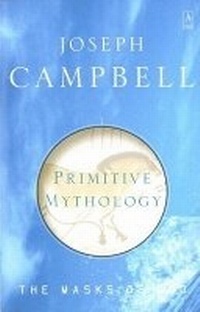
Primitive Mythology
The Masks of God, Volume I
Published on 1. November 1991
Book
Paperback/Softback
528 pages
978-0-14-019443-2 (ISBN)
Description
The author of such acclaimed books as Hero With a Thousand Faces and The Power of Myth discusses the primitive roots of mythology, examining them in light of the most recent discoveries in archaeology, anthropology, and psychology
Reviews / Votes
"A monument of learning, wonder, and wisdom, daringly conceived and brilliantly written by a man who is at home in the Eastern and the Western universe of spirit.? In temporal span and spatial scope and in relevance to the needs of its own day, it is unexampled."?Henry A. Murray, Harvard University
More details
Series
Language
English
Place of publication
London
United Kingdom
Publishing group
Penguin Books Ltd
Product notice
Paperback (trade)
Dimensions
Height: 212 mm
Width: 139 mm
Thickness: 24 mm
Weight
397 gr
ISBN-13
978-0-14-019443-2 (9780140194432)
Copyright in bibliographic data and cover images is held by Nielsen Book Services Limited or by the publishers or by their respective licensors: all rights reserved.
Schweitzer Classification
Other editions
New editions
Book
02/2021
New World Library
€53.48
Article not available at the moment
Additional editions
Joseph Campbell | David Kudler
Primitive Mythology
E-Book
04/2018
1st Edition
Joseph Campbell Foundation
from
€8.42
Available for download
Previous edition

The Masks of God
Primitive Mythology
Book
12/1979
Penguin Books Ltd
€29.31
Article exhausted; check for reprint
Person
Joseph Campbell was interested in mythology since his childhood in New York, when he read books about American Indians, frequently visited the American Museum of Natural History, and was fascinated by the museum's collection of totem poles. He earned his B.A. and M.A. degrees at Columbia in 1925 and 1927 and went on to study medieval French and Sanskrit at the universities of Paris and Munich. After a period in California, where he encountered John Steinbeck and the biologist Ed Ricketts, he taught at the Canterbury School, then, in 1934, joined the literature department at Sarah Lawrence College, a post he retained for many years. During the 1940s and '50s, he helped Swami Nikhilananda to translate the Upanishads and The Gospel of Sri Ramakrishna. The many books by Professor Campbell include The Hero with a Thousand Faces, Myths to Live By, The Flight of the Wild Gander, and The Mythic Image. He edited The Portable Arabian Nights, The Portable Jung, and other works. He died in 1987.
Content
Primitive Mythology Foreword: On the Completion of The Masks of God
Prologue: Toward a Natural History of the Gods and Heroes:
I. The Lineaments of a New Science
II. The Well of the Past
III. The Dialogue of Scholarship and Romance
Part One: The Psychology of MythIntroduction: The Lesson of the Mask
Chapter 1. The Enigma of the Inherited Image
I. The Innate Releasing Mechanism
II. The Supernormal Sign Stimulus
Chapter 2. The Imprints of Experience
I. Suffering and Rapture
II. The Structuring Force of Life on Earth
III. The Imprints of Early Infancy
IV. The Spontaneous Animism of Childhood
V. The System of Sentiments of the Local Group
VI. The Impact of Old Age
Part Two: The Mythology of the Primitive PlantersChapter 3. The Culture Province of the High Civilizations
I. The Proto-Neolithic: c. 7500-5500 B. C.
II. The Basal Neolithic: c. 5500-4500 B. C.
III. The High Neolithic: c. 4500-3500 B. C.
IV. The Hieratic City-State: c. 3500-2500 B. C.
Chapter 4. The Province of the Immolated Kings
I. The Legend of the Destruction of Kash
II. A Night of Shehrzad
III. The King, and the Virgin of the Vestal Fire
Chapter 5. The Ritual Love-Death
I. The Descent and Return of the Maiden
II. The Mythological Event
III. Persephone
IV. The Monster Eel
V. Parallelism or Diffusion?
VI. The Ritual Love-Death in Pre-Columbian America
Part Three: The Mythology of the Primitive HuntersChapter 6. Shamanism
I. The Shaman and the Priest
II. Shamanistic Magic
III. The Shamanistic Vision
IV. The Fire-Bringer
Chapter 7. The Animal Master
I. The Legend of the Buffalo Dance
II. Paleolithic Mythology
III. The Ritual of the Returned Blood
Chapter 8. The Paleolithic Caves
I. The Shamans of the Great Hunt
II. Our Lady of the Mammoths
III. The Master Bear
IV. The Mythologies of the Two Worlds
Part Four: The Archaeology of MythChapter 9. Mythological Thresholds of the Paleolithic
I. The Stage of Plesianthropus ()
II. The Stage of Pithecanthropus ()
III. The Stage of Neanderthal Man (c. 200,000-75,000/25,000 B. C.)
IV. The Stage of Cro-Magnon Man (c. 30,000-10,000 B. C.)
V. The Caspian-Microlithic Style (c. 30,000/10,000-4,000 B. C.)
Chapter 10. Mythological Thresholds of the Neolithic
I. The Great Serpent of the Earliest Planters (c. 7500 B. C.?)
II. The Birth of Civilization in the Near East (c. 7500-2500 B. C.)
III. The Great Diffusion
Conclusion: The Functioning of Myth
I. The Local Images and the Universal Way
II. The Bondages of Love, Power, and Virtue
III. The Release from Bondage
Reference Notes
Index
Prologue: Toward a Natural History of the Gods and Heroes:
I. The Lineaments of a New Science
II. The Well of the Past
III. The Dialogue of Scholarship and Romance
Part One: The Psychology of MythIntroduction: The Lesson of the Mask
Chapter 1. The Enigma of the Inherited Image
I. The Innate Releasing Mechanism
II. The Supernormal Sign Stimulus
Chapter 2. The Imprints of Experience
I. Suffering and Rapture
II. The Structuring Force of Life on Earth
III. The Imprints of Early Infancy
IV. The Spontaneous Animism of Childhood
V. The System of Sentiments of the Local Group
VI. The Impact of Old Age
Part Two: The Mythology of the Primitive PlantersChapter 3. The Culture Province of the High Civilizations
I. The Proto-Neolithic: c. 7500-5500 B. C.
II. The Basal Neolithic: c. 5500-4500 B. C.
III. The High Neolithic: c. 4500-3500 B. C.
IV. The Hieratic City-State: c. 3500-2500 B. C.
Chapter 4. The Province of the Immolated Kings
I. The Legend of the Destruction of Kash
II. A Night of Shehrzad
III. The King, and the Virgin of the Vestal Fire
Chapter 5. The Ritual Love-Death
I. The Descent and Return of the Maiden
II. The Mythological Event
III. Persephone
IV. The Monster Eel
V. Parallelism or Diffusion?
VI. The Ritual Love-Death in Pre-Columbian America
Part Three: The Mythology of the Primitive HuntersChapter 6. Shamanism
I. The Shaman and the Priest
II. Shamanistic Magic
III. The Shamanistic Vision
IV. The Fire-Bringer
Chapter 7. The Animal Master
I. The Legend of the Buffalo Dance
II. Paleolithic Mythology
III. The Ritual of the Returned Blood
Chapter 8. The Paleolithic Caves
I. The Shamans of the Great Hunt
II. Our Lady of the Mammoths
III. The Master Bear
IV. The Mythologies of the Two Worlds
Part Four: The Archaeology of MythChapter 9. Mythological Thresholds of the Paleolithic
I. The Stage of Plesianthropus ()
II. The Stage of Pithecanthropus ()
III. The Stage of Neanderthal Man (c. 200,000-75,000/25,000 B. C.)
IV. The Stage of Cro-Magnon Man (c. 30,000-10,000 B. C.)
V. The Caspian-Microlithic Style (c. 30,000/10,000-4,000 B. C.)
Chapter 10. Mythological Thresholds of the Neolithic
I. The Great Serpent of the Earliest Planters (c. 7500 B. C.?)
II. The Birth of Civilization in the Near East (c. 7500-2500 B. C.)
III. The Great Diffusion
Conclusion: The Functioning of Myth
I. The Local Images and the Universal Way
II. The Bondages of Love, Power, and Virtue
III. The Release from Bondage
Reference Notes
Index