

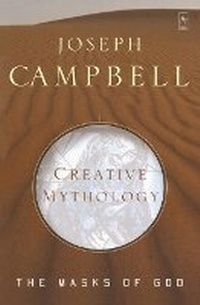
Creative Mythology
The Masks of God, Volume IV
Published on 1. November 1991
Book
Paperback/Softback
752 pages
978-0-14-019440-1 (ISBN)
Description
This volume explores the whole inner story of modern culture since the Dark Ages, treating modern man's unique position as the creator of his own mythology.
More details
Series
Language
English
Place of publication
London
United Kingdom
Publishing group
Penguin Books Ltd
Product notice
Paperback (trade)
Dimensions
Height: 214 mm
Width: 138 mm
Thickness: 43 mm
Weight
692 gr
ISBN-13
978-0-14-019440-1 (9780140194401)
Copyright in bibliographic data and cover images is held by Nielsen Book Services Limited or by the publishers or by their respective licensors: all rights reserved.
Other editions
New editions
Book
12/2024
New World Library
€40.00
Shipment within 3-4 weeks
Additional editions
Joseph Campbell | David Kudler
Creative Mythology
E-Book
08/2018
1st Edition
Joseph Campbell Foundation
from
€8.49
Available for download
Previous edition

The Masks of God
Creative Mythology
Book
01/1982
Penguin Books Ltd
€29.31
Article exhausted; check for reprint
Person
Joseph Campbell was interested in mythology since his childhood in New York, when he read books about American Indians, frequently visited the American Museum of Natural History, and was fascinated by the museum's collection of totem poles. He earned his B.A. and M.A. degrees at Columbia in 1925 and 1927 and went on to study medieval French and Sanskrit at the universities of Paris and Munich. After a period in California, where he encountered John Steinbeck and the biologist Ed Ricketts, he taught at the Canterbury School, then, in 1934, joined the literature department at Sarah Lawrence College, a post he retained for many years. During the 1940s and '50s, he helped Swami Nikhilananda to translate the Upanishads and The Gospel of Sri Ramakrishna. The many books by Professor Campbell include The Hero with a Thousand Faces, Myths to Live By, The Flight of the Wild Gander, and The Mythic Image. He edited The Portable Arabian Nights, The Portable Jung, and other works. He died in 1987.
Content
Creative Mythology Part One: The Ancient VineChapter 1. Experience and Authority
I. Creative Symbolization
II. Where Words Turn Back
III. The Trackless Way
IV. Mountain Immortals
Chapter 2. The World Transformed
I. The Way of Noble Love
II. The Devil's Door
III. Heloise
IV. The Crystalline Bed
V. Aesthetic Arrest
VI. The Potion
Chapter 3. The Word Behind Words
I. Symbolic Speech
II. The Classical Heritage
III. The Celto-Germanic Heritage
IV. The Legacy of Islam
V. The Gnostics
Part Two: The Waste LandChapter 4. The Love-Death
I. Eros, Agape, and Amor
II. The Noble Heart
III. Anamorphosis
IV. The Music of the Land below Waves
V. Moon Bull and Sun Steed
VI. The Legend of the Fair Isolt
Chapter 5. Phoenix Fire
I. O Truly Blessed Night!
II. The Left-Hand Way
III. Puer Aeternus
IV. Chaos
Chapter 6. The Balance
I. Honor against Love
II. The Individual and the State
III. Erotic Irony
IV. Identity and Relationship
V. Beauty Way
VI. The Altar and the Pulpit
VII. Democracy and the Terror
VIII. The Amfortas Wound
Part Three: The Way and the LifeChapter 7. The Crucified
I. The Turning Wheel of Terror-Joy
II. The Maimed Fisher King
III. The Quest Beyond Meaning
Chapter 8. The Paraclete
I. The Son of the Widow
II. First Intermezzo: The Restitution of Symbols
III. The Ladies' Knight
IV. Illuminations
V. Second Intermezzo: The Secularization of Myth
VI. The Castle of Marvels
VII. Third Intermezzo: Mythogenesis
VIII. The Crowning of the King
IX. Envoy: To Each His Own
Part Four: New WineChapter 9. The Death of "God"
I. The Crime of Galileo
II. The New Reality
III. Names and Forms
IV. The New Universe
V. The Knight of the Rueful Countenance
VI. Toward New Mythologies
Chapter 10. The Earthly Paradise
I. All the Gods within You
II. Symbolization
Reference Notes
Index
I. Creative Symbolization
II. Where Words Turn Back
III. The Trackless Way
IV. Mountain Immortals
Chapter 2. The World Transformed
I. The Way of Noble Love
II. The Devil's Door
III. Heloise
IV. The Crystalline Bed
V. Aesthetic Arrest
VI. The Potion
Chapter 3. The Word Behind Words
I. Symbolic Speech
II. The Classical Heritage
III. The Celto-Germanic Heritage
IV. The Legacy of Islam
V. The Gnostics
Part Two: The Waste LandChapter 4. The Love-Death
I. Eros, Agape, and Amor
II. The Noble Heart
III. Anamorphosis
IV. The Music of the Land below Waves
V. Moon Bull and Sun Steed
VI. The Legend of the Fair Isolt
Chapter 5. Phoenix Fire
I. O Truly Blessed Night!
II. The Left-Hand Way
III. Puer Aeternus
IV. Chaos
Chapter 6. The Balance
I. Honor against Love
II. The Individual and the State
III. Erotic Irony
IV. Identity and Relationship
V. Beauty Way
VI. The Altar and the Pulpit
VII. Democracy and the Terror
VIII. The Amfortas Wound
Part Three: The Way and the LifeChapter 7. The Crucified
I. The Turning Wheel of Terror-Joy
II. The Maimed Fisher King
III. The Quest Beyond Meaning
Chapter 8. The Paraclete
I. The Son of the Widow
II. First Intermezzo: The Restitution of Symbols
III. The Ladies' Knight
IV. Illuminations
V. Second Intermezzo: The Secularization of Myth
VI. The Castle of Marvels
VII. Third Intermezzo: Mythogenesis
VIII. The Crowning of the King
IX. Envoy: To Each His Own
Part Four: New WineChapter 9. The Death of "God"
I. The Crime of Galileo
II. The New Reality
III. Names and Forms
IV. The New Universe
V. The Knight of the Rueful Countenance
VI. Toward New Mythologies
Chapter 10. The Earthly Paradise
I. All the Gods within You
II. Symbolization
Reference Notes
Index